
Nag in Australian Sign Language (Auslan)
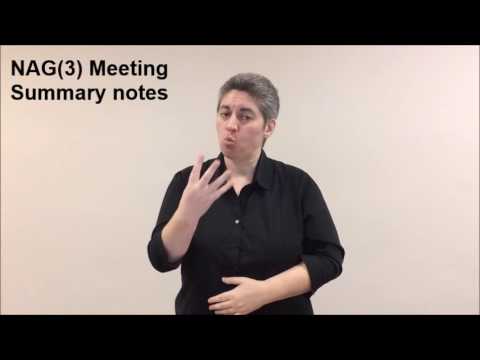
The sign for “nag” in Auslan refers to the act of persistently asking someone to do something or criticizing them in a bothersome way. It’s often used in contexts where someone is being repetitive or annoying in their requests. Understanding this sign can help in expressing feelings about someone’s behavior in a light-hearted or serious manner.
Table of Contents
How to Sign “Nag”
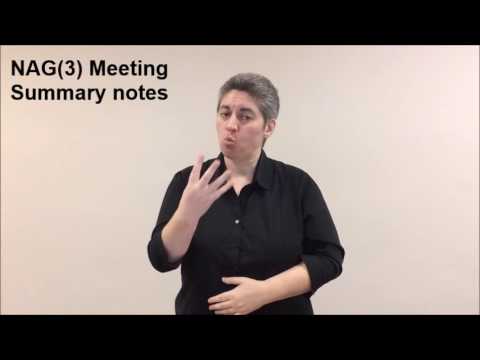
- Start with your dominant hand in a flat “B” hand shape (palm facing down).
- Position your hand near your mouth, about chin level.
- Move your hand outward in a small circular motion while simultaneously nodding your head slightly.
- Maintain a facial expression that conveys annoyance or exasperation to emphasize the meaning of the sign.
Common Mistakes
- Confusing the handshape—using a fist instead of a flat “B” hand can change the meaning.
- Not using facial expressions, which are crucial in ASL to convey the emotion behind the sign.
- Performing the movement too quickly, making it hard to recognize the sign.
Related Signs
- 1 – The sign for the number one.
- 1 Dollar – The sign for one dollar, often used in financial contexts.
- 10 – The sign for the number ten.
- 100 – The sign for one hundred.
- 12 – The sign for the number twelve.
Using “Nag” in Everyday Conversations
The sign “Nag” can be easily integrated into everyday conversations, especially when discussing topics related to annoyance or repeated reminders. Here are a few example sentences:
- Friend 1: “I can’t stand how he always nags me about my homework.”
- Parent: “Stop nagging your sister to clean her room!”
- Colleague: “She keeps nagging about the project deadlines; it’s getting annoying.”
These situations naturally arise in casual conversations among friends, family, or colleagues, making “nag” a relevant sign when expressing frustration or annoyance about repetitive requests.
Cultural Notes
The sign “Nag” holds a specific place in the Australian Deaf community, often reflecting the unique cultural nuances of Deaf communication. In Australia, the concept of “nagging” can be tied to the social dynamics within Deaf culture, where humor and camaraderie play a significant role in interactions. The use of this sign can sometimes be light-hearted, indicating a playful banter among friends rather than a serious complaint.
Dialect variations can also influence how “nag” is signed. While the core sign remains the same across regions, some Deaf individuals from northern Australia might incorporate slight variations in facial expressions or body language that reflect regional styles. This enriches the diversity of Auslan and showcases the community’s vibrant culture.
Tips for Learning This Sign
Practicing the sign “Nag” effectively can enhance your Auslan skills. Here are some concrete ways to master it:
- Mirror Practice: Stand in front of a mirror and practice the sign while observing your own facial expressions and hand movements. This helps reinforce muscle memory.
- Focus on Non-Manual Features: Pay attention to your facial expressions while signing “nag.” Non-manual features, like raised eyebrows or a frown, can add context and meaning to the sign.
- Incorporate in Sentences: Use “nag” in short signed sentences with friends or during practice sessions. For example, you might say, “My friend nag me about food,” to reinforce context.
Consistent practice will help solidify your understanding and usage of this sign in various contexts.
Frequently Asked Questions
How can I use “nag” in a sentence?
You might say, “She keeps nagging me to clean my room,” using the sign for “nag” as you describe her actions.
Are there regional variations for this sign?
While the sign itself is generally consistent, some regions may have slight variations in movement or facial expressions.
What are some similar signs to “nag”?
Similar signs include “ask,” “complain,” and “remind,” each with its own nuances in meaning.
How does this sign compare to BSL?
In BSL, the sign for “nag” may look different, so it’s important to learn the specific signs for each language.
What teaching tips can help with this sign?
Practice in front of a mirror, focusing on both handshape and facial expression to convey the right emotion.
Practice This Sign
Try signing Nag In Auslan with your camera and get AI coaching on your handshape, movement, and location.
Free · No signup required