
Ladybird in Australian Sign Language (Auslan)
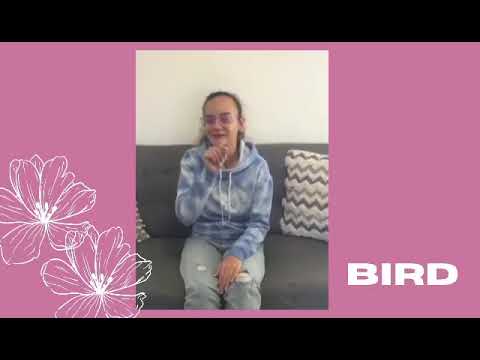
The sign for “ladybird” in Auslan represents the small, often red beetle known for its spotted shell. This delightful insect is often associated with good luck and is commonly used in conversations about nature, animals, or childhood memories. It’s a fun sign to share with children and can be a great way to engage in storytelling.
Table of Contents
How to Sign “Ladybird”
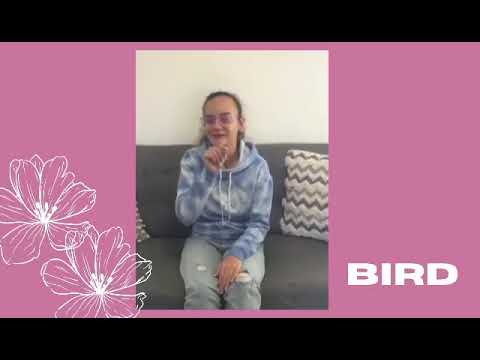
- Start with your dominant hand in a flat palm shape (like a ‘B’ handshape).
- Place your dominant hand just in front of your forehead, thumb pointing up and fingers spread out, resembling the shape of a ladybird’s wings.
- Move your hand outward and slightly upward from your forehead, as if you are gently lifting off the ladybird.
- As you perform the movement, keep a cheerful facial expression to convey the lighthearted nature of the sign.
Common Mistakes
- Using a closed fist instead of a flat palm can make the sign unclear.
- Not moving the hand outward enough can cause the sign to look incomplete.
- Forgetting to use facial expressions, which are important in Auslan to convey emotions and context.
Related Signs
- 1 – A simple sign to represent the number one.
- 1 Dollar – Sign for one dollar, often used in shopping contexts.
- 10 – The sign for ten, useful in counting or discussing amounts.
- 100 – Represents the number one hundred, commonly used in transactions.
- 11 – The sign for eleven, important for counting and numbers.
Using “Ladybird” in Everyday Conversations
Incorporating the sign for “ladybird” into conversations can enrich your interactions, especially when discussing nature or childhood memories. Here are a few examples:
- Example 1: “Yesterday, I saw a ladybird on my window.”
(YOU YESTERDAY LADYBIRD WINDOW SEE) - Example 2: “My daughter loves ladybirds; she collects them.”
(MY DAUGHTER LOVE LADYBIRD, SHE COLLECT) - Example 3: “Ladybirds are good for the garden.”
(LADYBIRD GARDEN GOOD)
These examples highlight how the sign can come up in discussions about nature, children’s interests, or gardening, making it a versatile addition to your vocabulary.
Cultural Notes
In the Australian Deaf community, the term “ladybird” is not just a reference to the insect; it also carries cultural significance. Ladybirds are often seen as symbols of good luck and are frequently linked to childhood experiences, such as playing in gardens or exploring the outdoors. In storytelling, they can represent innocence and wonder, making them a delightful topic for conversations.
While Auslan is relatively unified, some signs may exhibit regional variations. However, the sign for “ladybird” is generally consistent across Australia, with only slight differences in speed or emphasis depending on whether one is from a northern or southern region. Being aware of these subtle differences can enhance communication and connection within the community.
Tips for Learning This Sign
Practicing the sign for “ladybird” can be fun and engaging. Here are some effective strategies:
- Mirror Practice: Use a mirror to observe your hand shape and movement. This helps ensure you’re correctly forming the sign.
- Focus on Non-Manual Features: Pay attention to facial expressions and body language. Incorporating appropriate non-manual features can enhance the meaning of your sign.
- Use in Short Sentences: Create simple sentences that include the sign. Repeating these in context will reinforce your memory and fluency.
By actively engaging with the sign in various ways, you can build confidence and increase your proficiency in Auslan.
Frequently Asked Questions
How can I use “ladybird” in a sentence?
You can say, “I saw a ladybird in the garden” by signing “I” + “ladybird” + “see” + “garden.”
Are there regional variations for this sign?
While the basic sign remains the same, some regions may have slight variations in movement or facial expressions.
Are there similar signs to “ladybird”?
Yes, signs for other insects like “beetle” or “butterfly” are related and can be useful in conversation about insects.
How does this sign compare to BSL?
In BSL, the sign for “ladybird” may differ, reflecting the unique linguistic structures of British Sign Language.
What are some tips for teaching this sign to children?
Use playful language and encourage them to mimic the movement. Incorporate stories about ladybirds to make it engaging!
Practice This Sign
Try signing Ladybird In Auslan with your camera and get AI coaching on your handshape, movement, and location.
Free · No signup required