
Kiln in Australian Sign Language (Auslan)
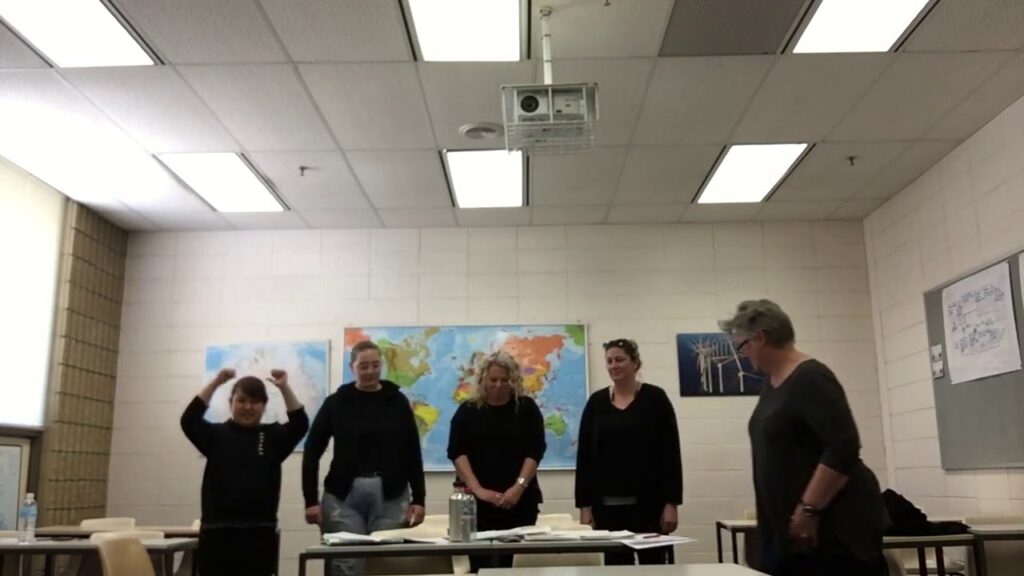
The sign for “kiln” in Auslan refers to a type of oven used for firing pottery and ceramics. This sign is commonly used in art classes, pottery workshops, and discussions about materials in the craft community. It’s an important term for artists and creators in the Deaf community who work with ceramics or pottery.
Table of Contents
How to Sign “Kiln”
- Start with both hands in a flat “B” handshape, palms facing down.
- Position your hands in front of your body, about chest height.
- Bring your hands together slightly and then move them apart in a circular motion, as if you are forming the shape of a kiln.
- As you make the circular motion, maintain a neutral facial expression to convey that this is a factual sign.
Common Mistakes
- Some learners may forget to maintain the “B” handshape, using a relaxed hand instead.
- Moving the hands too quickly can lead to confusion; the circular motion should be deliberate and clear.
- Facial expressions can be overlooked; not using a neutral face can change the meaning or clarity of the sign.
Related Signs
- 1 – Represents the number one, used in counting or listing.
- 1 Dollar – Sign for one dollar, often used in transactions.
- 10 – Represents the number ten, useful in various counting contexts.
- 100 – Sign for one hundred, used in financial discussions.
- 12 – Represents the number twelve, useful in time and counting.
Using “Kiln” in Everyday Conversations
In Auslan, incorporating the sign for “kiln” into conversations about pottery, ceramics, or art can enhance communication and clarity. Here are a few example sentences demonstrating its use:
- “I built a kiln to fire my pottery.” — This might come up in a conversation among artists discussing their equipment.
- “The kiln is too hot right now.” — A practical statement made during a pottery class or workshop when discussing safety.
- “I learned how to use the kiln at the community centre.” — This could be shared in a casual conversation about local art programs.
These examples highlight situations where the sign “kiln” naturally fits into discussions about art and craftsmanship.
Cultural Notes
In the Australian Deaf community, the sign for “kiln” often appears in contexts surrounding art, particularly pottery and ceramics. Many Deaf artists have contributed significantly to this field, and the kiln represents a crucial tool in their creative processes. Engaging with art can foster a sense of community and identity among Deaf individuals, and discussions about kilns can be a bridge to deeper conversations about artistic expression.
While Auslan is generally consistent, there can be slight regional variations. For example, some northern communities might use a more fluid motion in the sign, while southern communities may employ a more defined gesture. These variations can reflect local dialects and cultural influences within the Deaf community.
Tips for Learning This Sign
To effectively learn and remember the sign for “kiln,” consider these practical tips:
- Mirror Practice: Stand in front of a mirror and practice the sign while observing your hand shape and movement. This visual feedback can help solidify your memory.
- Focus on Non-Manual Features: Pay attention to facial expressions and body language that accompany the sign. These non-manual features convey additional meaning and context.
- Use in Short Sentences: Incorporate “kiln” into brief, everyday sentences during practice sessions. For example, say “I want to fire clay in the kiln” while signing. This helps contextualize the sign and reinforces its meaning.
Regular practice in various contexts will help reinforce your understanding and usage of the sign for “kiln” in Auslan.
Frequently Asked Questions
How do I use “kiln” in a sentence?
You can say, “I put my pottery in the kiln,” which in Auslan can be signed by showing the action of placing something in the kiln.
Are there regional variations for this sign?
While “kiln” is generally consistent, some regions may have slight variations in the handshape or movement, so it’s beneficial to learn from local Deaf artists.
Are there signs similar to “kiln”?
Yes, signs for other types of ovens or furnaces may look similar, but the handshape and movement will vary slightly to convey the correct meaning.
How does “kiln” compare to BSL?
The BSL sign for kiln may differ in handshape and motion; it’s recommended to learn from a BSL instructor for accurate usage.
What are some teaching tips for this sign?
Practice the circular motion slowly and ensure learners understand the meaning of “kiln” to provide context during practice.
Practice This Sign
Try signing Kiln In Auslan with your camera and get AI coaching on your handshape, movement, and location.
Free · No signup required