
Jewellery in Australian Sign Language (Auslan)
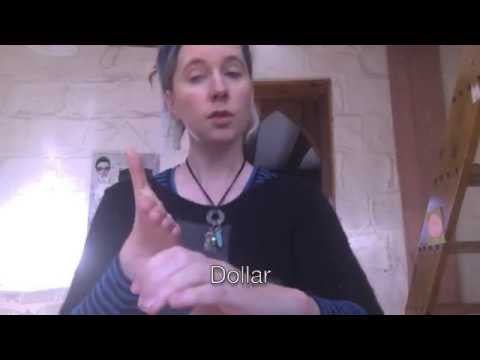
The sign for “jewellery” in Auslan represents a variety of adornments worn for personal decoration, such as rings, necklaces, and earrings. It is commonly used during conversations about fashion, gifts, or when discussing someone’s style. This sign helps convey the beauty and significance of jewellery in different contexts.
Table of Contents
How to Sign “Jewellery”
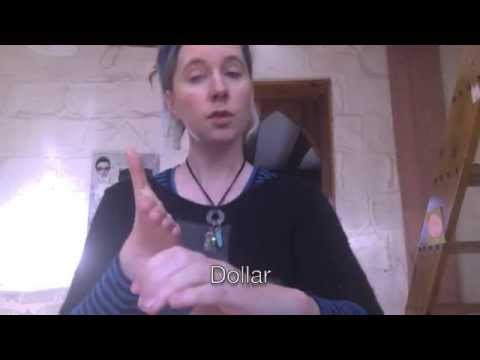
- Start with your dominant hand in a flat handshape (like a “B” handshape) with fingers extended and together.
- Position your dominant hand near your chin, with the palm facing inward.
- Move your hand slightly away from your chin while maintaining the flat handshape.
- As you move your hand, create a slight circular motion, giving the impression of placing or showcasing jewellery.
- Throughout the sign, maintain a friendly facial expression to convey interest and warmth.
Common Mistakes
- Forgetting to keep the handshape flat, which can lead to confusion with other signs.
- Making the movement too large or too small, which might not clearly communicate the concept of jewellery.
- Neglecting facial expressions, which are essential in Auslan for conveying emotion and context.
Related Signs
- 1 – The sign for the number one, often used in counting items of jewellery.
- 1 Dollar – Useful when discussing the price of jewellery.
- 10 – Another number sign that can be used in discussions about multiple pieces of jewellery.
- 100 – Represents larger quantities, useful in shopping contexts.
- 11 – Can be used in a context involving prices or quantities of jewellery.
Using “Jewellery” in Everyday Conversations
Incorporating the sign for “jewellery” into everyday conversations can help convey thoughts and feelings about fashion, gifts, or personal style. Here are a few example sentences where this sign naturally fits:
- Sentence: “I love your jewellery!”
Auslan Sign Order: “YOUR JEWELLERY LOVE!”
Situation: Complimenting a friend on their accessories at a social gathering. - Sentence: “She makes beautiful jewellery.”
Auslan Sign Order: “SHE BEAUTIFUL JEWELLERY MAKE.”
Situation: Talking about a local artisan or jeweller during a community event. - Sentence: “I want to buy some jewellery for my birthday.”
Auslan Sign Order: “BIRTHDAY I WANT JEWELLERY BUY.”
Situation: Discussing birthday plans with friends or family.
Cultural Notes
In the Australian Deaf community, jewellery can hold significant cultural meaning, often being linked to personal identity and expression. Many Deaf individuals may choose to wear unique pieces that reflect their heritage or community affiliations. For instance, handcrafted jewellery from local artists can symbolize pride in Deaf culture and craftsmanship.
While Auslan is relatively consistent across Australia, there can be slight regional variations in how signs are performed, including “jewellery.” Northern and southern dialects may exhibit differences in speed and emphasis, but the core sign remains the same. Engaging with diverse community members can enhance understanding of these variations.
Tips for Learning This Sign
Practising the sign for “jewellery” effectively can involve several techniques:
- Mirror Practice: Stand in front of a mirror to observe your signing. This helps ensure your hand shapes and movements are accurate.
- Watch Non-Manual Features: Pay attention to facial expressions and body language while signing. These non-manual features can greatly enhance the meaning of your signs.
- Use in Short Sentences: Incorporate “jewellery” into various short sentences during practice. This will build your comfort level and help reinforce the context in which it is used.
Consistent practice and engagement with the Deaf community will further solidify your understanding and usage of the sign “jewellery.”
Frequently Asked Questions
How can I use “jewellery” in a sentence?
You can say, “I love your jewellery!” by signing “I” + “LOVE” + “YOUR” + “JEWELLERY.”
Are there regional variations for this sign?
Yes, there may be slight variations in how the sign is performed based on different regions or communities.
Are there similar signs in Auslan?
Yes, signs for “accessories” or “fashion” may share similarities, but they each convey different meanings.
How does this sign compare to BSL?
While BSL has its own sign for “jewellery,” it may look different from Auslan and has distinct regional characteristics.
What tips do you have for teaching this sign?
Encouraging learners to practice in front of a mirror can help them perfect their handshape and facial expressions.
Practice This Sign
Try signing Jewellery In Auslan with your camera and get AI coaching on your handshape, movement, and location.
Free · No signup required