
Jamboree in Australian Sign Language (Auslan)

The sign for “jamboree” in Auslan represents a large gathering or celebration, often involving fun activities, performances, and socializing. It’s commonly used during events like festivals, community gatherings, or any large-scale celebration where people come together to enjoy and participate.
Table of Contents
How to Sign “Jamboree”
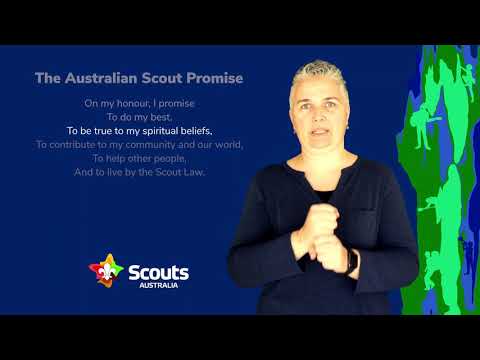
- Begin with both hands open in front of you, palms facing each other.
- Bring your hands together in a circular motion, as if you are creating a large circle in the air.
- As your hands come together, slightly raise them to indicate the idea of gathering.
- Maintain an inviting facial expression, showing enthusiasm and joy, as this reflects the celebratory nature of a jamboree.
Common Mistakes
- Forgetting to use both hands; using one hand can make the sign less clear.
- Not maintaining a joyful facial expression, which is crucial for conveying the festive meaning of the sign.
- Making the circular motion too small, which may not effectively communicate the idea of a large gathering.
Related Signs
- 1 – The number one in sign language.
- 10 – The number ten in sign language.
- 100 – The number one hundred in sign language.
- 12 – The number twelve in sign language.
- 15 – The number fifteen in sign language.
Using “Jamboree” in Everyday Conversations
The sign “Jamboree” can be woven into everyday conversations, particularly when discussing events, gatherings, or celebrations. Here are some example sentences:
- Sentence 1: “I am excited for the jamboree next month.”
(Sign order: I – excited – jamboree – next month) - Sentence 2: “The jamboree was fun last year.”
(Sign order: jamboree – last year – fun) - Sentence 3: “Are you going to the jamboree this weekend?”
(Sign order: you – going – jamboree – this weekend?)
These examples are useful in discussions about social events, particularly within community groups, schools, or among friends who are planning to attend similar activities.
Cultural Notes
In the Australian Deaf community, the term “Jamboree” is often associated with large gatherings that celebrate Deaf culture, community, and camaraderie. Such events provide a platform for social interaction, cultural exchange, and the sharing of experiences among Deaf individuals and their supporters. The significance of jamborees reflects the vibrant nature of the community, emphasizing inclusivity and shared joy.
There may be slight variations in how the sign is articulated across different regions of Australia, particularly between northern and southern dialects. These variations can manifest in the speed and fluidity of the sign, as well as in the incorporation of local expressions or gestures that enhance the meaning. Understanding these nuances can enrich communication and connection within the community.
Tips for Learning This Sign
Practicing the sign “Jamboree” can be both fun and effective. Here are some concrete ways to enhance your learning:
- Mirror Practice: Stand in front of a mirror to observe your own movements. Ensure your hand shape and movements match what you are learning.
- Focus on Non-Manual Features: Pay attention to facial expressions and body language while signing “Jamboree.” These non-manual features add emotional context and help convey excitement.
- Use in Short Signed Sentences: Incorporate “Jamboree” into various short sentences as practiced above. Regularly using it in conversation will help reinforce your memory and fluidity.
By integrating these strategies into your learning routine, you’ll find it easier to remember and use the sign “Jamboree” in conversations.
Frequently Asked Questions
How can I use “jamboree” in a sentence?
You can say, “I am excited for the jamboree this weekend!” and sign “jamboree” to emphasize the event.
Are there regional variations for this sign?
Some regions may have slight variations in the movement or facial expressions used, but the core concept remains the same.
What other signs are similar to “jamboree”?
Signs like “festival” or “celebration” also convey similar meanings and can be used interchangeably in certain contexts.
How does “jamboree” compare to BSL?
While BSL has its own sign for “jamboree,” the concept generally remains the same, focusing on a large gathering.
What are some tips for teaching this sign?
Encourage students to practice the circular motion and facial expressions together, emphasizing the joyful aspect of a jamboree.
Practice This Sign
Try signing Jamboree In Auslan with your camera and get AI coaching on your handshape, movement, and location.
Free · No signup required