
Hairdresser in Australian Sign Language (Auslan)
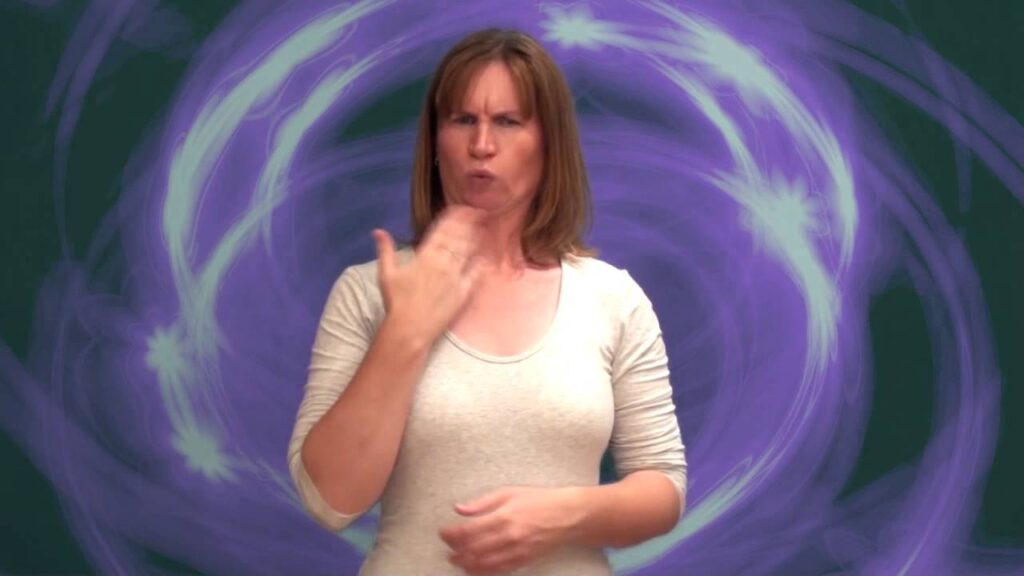
The sign for “hairdresser” in Auslan refers to someone who styles and cuts hair. It’s often used in conversations about personal grooming, beauty appointments, or discussing hairstyling experiences. This sign is handy in everyday interactions, especially when chatting about hair care or making appointments.
Table of Contents
How to Sign “Hairdresser”
- Start with your dominant hand in a “H” handshape (index and middle fingers extended, other fingers curled down).
- Place your hand near your head, with the “H” shape facing inwards towards your hair.
- Gently move your hand downwards in a small arc, mimicking the motion of cutting or styling hair.
- Maintain a relaxed facial expression, showing interest or engagement as you sign.
Common Mistakes
- Forgetting to use the correct handshape; ensure you use the “H” shape for clarity.
- Making the movement too big; the motion should be subtle to accurately represent the action of a hairdresser.
- Not incorporating facial expressions, which can convey the meaning and context of the sign.
Related Signs
- Hair – Refers to the strands on the head.
- Scissors – Represents the tool commonly used by hairdressers.
- Beauty – Relates to aesthetics and grooming.
- Style – Used when discussing different hair or fashion styles.
- Salon – Refers to a place where hair services are provided.
Using “Hairdresser” in Everyday Conversations
The sign for “Hairdresser” is often used in various everyday conversations, especially when discussing personal grooming or seeking recommendations. Here are some example sentences that illustrate how to incorporate this sign naturally:
- “I need to go to the hairdresser before the wedding.” (SIGN: “I” + “HAIRDRESSER” + “GO” + “WEDDING”)
- “Who is your favourite hairdresser?” (SIGN: “YOUR” + “FAVOURITE” + “HAIRDRESSER” + “WHO?”)
- “The hairdresser did a great job on my haircut.” (SIGN: “HAIRDRESSER” + “DID” + “GREAT” + “JOB” + “MY” + “HAIRCUT”)
These scenarios often arise when planning a social event, sharing experiences, or simply chatting about daily life. Using the sign in context helps reinforce its meaning and builds fluency in Auslan.
Cultural Notes
The term “Hairdresser” holds a special place in the Australian Deaf community. Hairdressers are often seen as part of the Deaf social fabric, as they provide not just a service but also a space for socializing and community bonding. Many Deaf individuals prefer to see hairdressers who are familiar with Auslan to ensure clear communication. This preference is rooted in the importance of accessibility and understanding in all aspects of life.
Additionally, there may be slight regional variations in how “Hairdresser” is signed across Australia. In some northern regions, signs may involve more fluid movement or different facial expressions compared to southern dialects, reflecting the rich diversity within the Deaf community.
Tips for Learning This Sign
Learning the sign for “Hairdresser” can be fun and engaging with a few practical tips:
- Mirror Practice: Stand in front of a mirror and practice the sign. This will help you refine your movements and ensure you are using the correct handshape and positioning.
- Observe Non-Manual Features: Pay attention to the facial expressions and body language that accompany the sign. These non-manual features can add depth to your communication.
- Use in Short Sentences: Incorporate the sign into simple sentences while practicing with a friend or during casual conversations. This repetition will help solidify your memory and comfort with the sign.
By actively engaging with the sign in different contexts, you’ll find it easier to remember and use “Hairdresser” confidently in conversation.
Frequently Asked Questions
How can I use “hairdresser” in a sentence?
You can say, “I am going to the hairdresser,” by signing “I” + “go” + “hairdresser.”
Are there regional variations of this sign?
Yes, some regions may have slight variations in the movement or handshape used for “hairdresser.” It’s good to observe local signs.
What are some similar signs?
Similar signs include “hair” and “scissors,” which are related to hairdressing activities.
How does this sign compare to BSL?
While the concept is similar, BSL uses different signs, so it’s important to learn the specific signs of each language.
What tips do you have for teaching this sign?
Encourage students to practice in front of a mirror to observe their handshape and facial expressions for accuracy.
Can I use this sign in a professional context?
Yes, this sign is appropriate in both casual and professional settings, especially in conversations about hair and beauty.
What if I forget the sign during a conversation?
If you forget the sign, you can fingerspell “hairdresser” or describe the action until you remember.
Practice This Sign
Try signing Hairdresser In Auslan with your camera and get AI coaching on your handshape, movement, and location.
Free · No signup required