
Eating in Australian Sign Language (Auslan)
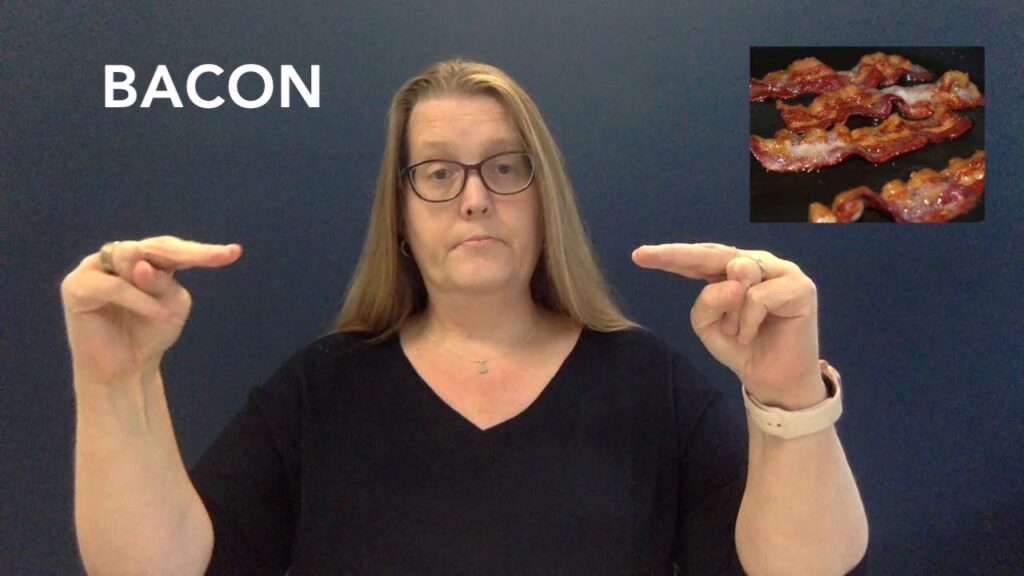
The sign for “eating” in Auslan reflects the action of consuming food, a fundamental part of daily life and social gatherings. This sign is commonly used during meal times, conversations about food, or when inviting someone to eat. It’s a great way to engage with others about shared experiences related to meals.
Table of Contents
How to Sign “Eating”
- Start with your dominant hand in a flat shape (like a “B” handshape) with your palm facing upwards.
- Bring your hand towards your mouth, simulating the action of bringing food to your mouth.
- As you move your hand towards your mouth, slightly curve your fingers to mimic holding food.
- Maintain a neutral facial expression or add a pleasant smile to convey enjoyment.
Common Mistakes
- Forgetting to use a flat handshape, which can make the sign look unclear.
- Moving the hand too far away from the mouth, losing the connection to the action of eating.
- Not using facial expressions, which can make the sign feel less engaging.
Related Signs
- 1 – The sign for the number one.
- 1 Dollar – The sign for one dollar currency.
- 10 – The sign for the number ten.
- 100 – The sign for the number one hundred.
- 11 – The sign for the number eleven.
Using “Eating” in Everyday Conversations
The sign for “Eating” is commonly used in daily conversations among Deaf individuals. Here are a few example sentences to illustrate its usage:
- “I am eating lunch.” (Gloss: I EAT LUNCH) – This might come up during a casual chat with friends about meal plans.
- “Are you eating dinner?” (Gloss: YOU EAT DINNER?) – This could be used when coordinating dinner plans or inviting someone to join you for a meal.
- “What did you eat yesterday?” (Gloss: YOU YESTERDAY EAT WHAT?) – This question often arises in conversations about past experiences or food preferences.
These examples show how the sign “Eating” fits naturally into discussions about meals, preferences, and daily activities, making it a versatile part of Auslan vocabulary.
Cultural Notes
In the Australian Deaf community, food and shared meals hold significant cultural value. Eating together often fosters connection and social bonding. The sign for “Eating” reflects not just the action of consuming food but also the communal experience that accompanies it. In various social gatherings, meals serve as a central element for interaction and storytelling among Deaf individuals.
While the sign for “Eating” is generally consistent across Australia, some regional variations may exist, particularly between northern and southern dialects. However, these differences are subtle and typically do not hinder understanding. Engaging with local Deaf communities can provide insight into these nuances and enrich your learning experience.
Tips for Learning This Sign
To effectively learn and remember the sign for “Eating,” consider the following tips:
- Mirror Practice: Stand in front of a mirror and practice the sign. This helps you observe your hand shapes and movements, ensuring you’re using the correct form.
- Focus on Non-Manual Features: Pay attention to facial expressions and body language that accompany the sign. These non-manual features add context and meaning, enhancing your overall communication.
- Use in Short Sentences: Incorporate the sign into simple phrases or sentences during your daily activities. For example, practice saying “I am eating fruit” while performing the sign, helping reinforce your memory.
Regular practice and engaging with the Deaf community will deepen your understanding and fluency in Auslan, making it easier to incorporate signs like “Eating” into your conversations.
Frequently Asked Questions
How can I use “eating” in a sentence?
You can say, “I am eating lunch,” by signing “I” then “eat” and then the sign for “lunch.”
Are there regional variations for this sign?
There may be slight variations in how the sign is performed in different areas, but the basic concept remains the same.
What are some similar signs?
Signs for “drinking” or “snacking” are similar as they also involve hand movements towards the mouth.
How does this compare to BSL?
In BSL, the sign for “eating” may look different, but the concept remains similar, emphasizing the action of bringing food to the mouth.
Any tips for teaching this sign?
Encourage learners to practice with real food items or during meal times to reinforce the sign’s meaning in context.
Practice This Sign
Try signing Eating In Auslan with your camera and get AI coaching on your handshape, movement, and location.
Free · No signup required