
Eating House in Australian Sign Language (Auslan)
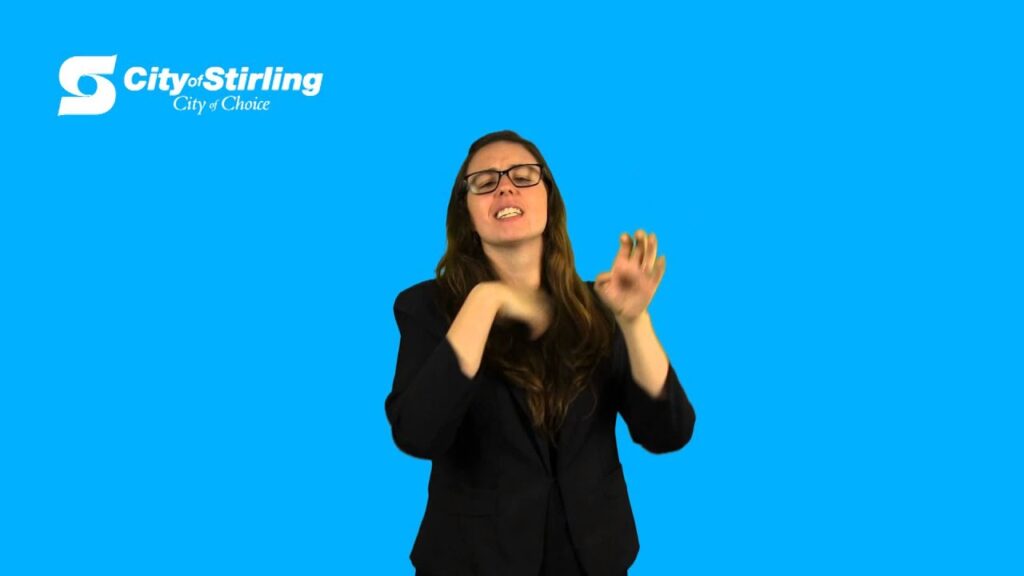
“Eating house” in Auslan conveys the concept of a location where food is served, including restaurants and cafés. Frequently employed in discussions surrounding dining, food venues, or arrangements for meals, this sign aids in conversations about preferred dining spots or suggestions for meals out.
Table of Contents
How to Sign “Eating House”
- Start with your dominant hand in a flat handshape (like the palm is facing down). Position it in front of your mouth, simulating the action of eating.
- Move your hand slightly away from your mouth while keeping the handshape, indicating the action of “house.” This represents the place where eating occurs.
- Next, use your non-dominant hand to create a flat handshape and place it underneath your dominant hand, mimicking the structure of a house.
- Maintain a neutral or friendly facial expression throughout the sign to convey the context of eating in a social setting.
Common Mistakes
- Using an incorrect handshape, such as a fist instead of a flat hand, which can change the meaning of the sign.
- Not maintaining the appropriate facial expression, which can lead to misunderstandings about the social context.
- Forgetting to show the movement that distinguishes “house,” leading to confusion with other food-related signs.
Related Signs
- 1 – Represents the number one.
- 1 Dollar – Sign for a single dollar note.
- 10 – Represents the number ten.
- 100 – Sign for one hundred.
- 15 – Represents the number fifteen.
Using “Eating House” in Everyday Conversations
The sign “Eating House” is commonly used in everyday conversations, especially when discussing food, dining out, or making plans with friends. Here are a few example sentences that illustrate how to incorporate this sign naturally:
- “I want to go to the eating house tonight.” (SIGN: I WANT EATING HOUSE NIGHT)
- “Where is the closest eating house?” (SIGN: WHERE CLOSE EATING HOUSE)
- “My favourite eating house serves the best pizza.” (SIGN: MY FAVOURITE EATING HOUSE BEST PIZZA)
These sentences can come up in casual conversations about where to eat, making plans with friends, or sharing recommendations. Practicing these examples will help integrate the sign into your everyday Auslan vocabulary.
Cultural Notes
The term “Eating House” holds significance within the Australian Deaf community as it reflects not only a place to eat but also a social hub where Deaf individuals gather, share stories, and build community connections. Dining out often serves as a backdrop for socialising and fostering relationships among Deaf people.
It’s also important to be aware of regional dialect variations in Auslan. In some areas, particularly in northern Australia, you might notice slight differences in how the sign is produced or in associated cultural practices around dining. Engaging with local Deaf communities can enrich your understanding of these nuances.
Tips for Learning This Sign
Mastering the sign “Eating House” can be made easier with some practical tips:
- Mirror Practice: Stand in front of a mirror to observe your hand shape and movement as you sign. This will help you visualise and correct your form.
- Watch for Non-Manual Features: Pay attention to facial expressions and body language that accompany the sign. These non-manual features can enhance your communication and provide context.
- Use it in Short Sentences: Incorporate “Eating House” into short signed sentences, like “Eating house good” or “Eating house with friends.” Repetition in context will help solidify your understanding and recall of the sign.
Consistent practice and engagement with the Deaf community will help reinforce your learning and appreciation for the sign and its cultural significance.
Frequently Asked Questions
How can I use “eating house” in a sentence?
You can say, “Let’s meet at the eating house for dinner,” using the sign to emphasize the location.
Are there regional variations for this sign?
Yes, some regions may have slight variations in movement or handshape, so it’s beneficial to observe local users.
What are some similar signs?
Other signs related to food like “restaurant” or “café” may have similarities in handshape or movement.
How does this compare to BSL?
While BSL has its own signs for similar concepts, the handshapes and motions can differ significantly between Auslan and BSL.
What tips can you give for teaching this sign?
Encourage learners to practice in pairs, using real-life scenarios to reinforce the meaning and context of the sign.
Practice This Sign
Try signing Eating House In Auslan with your camera and get AI coaching on your handshape, movement, and location.
Free · No signup required