
Dance Class in Australian Sign Language (Auslan)
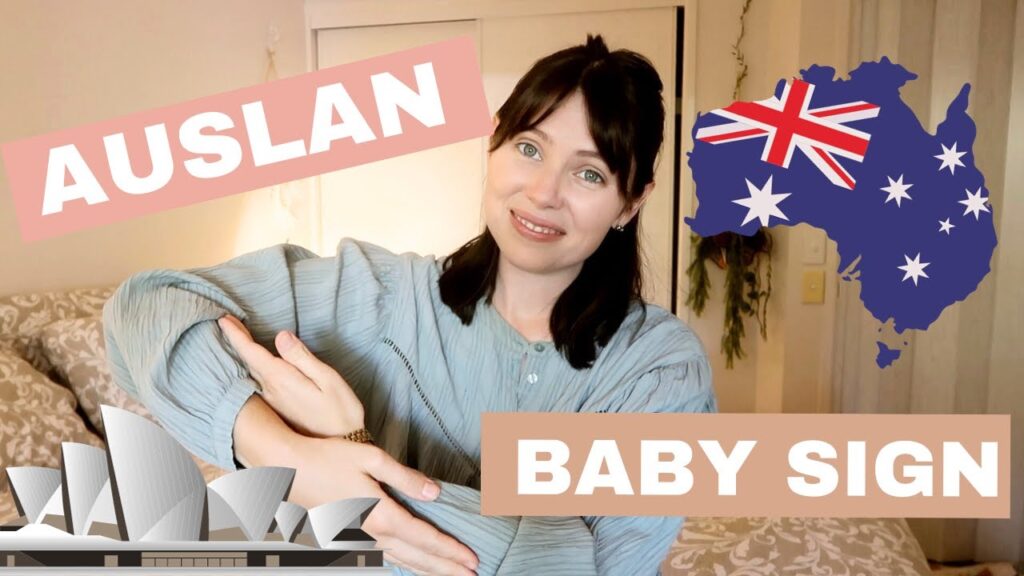
The sign for “dance class in Auslan” represents a fun and interactive setting where individuals come together to learn various dance styles. This sign is commonly used in contexts related to dance education, social gatherings, or community events. It’s a great way to express enthusiasm for participating in dance activities!
Table of Contents
How to Sign “Dance Class”
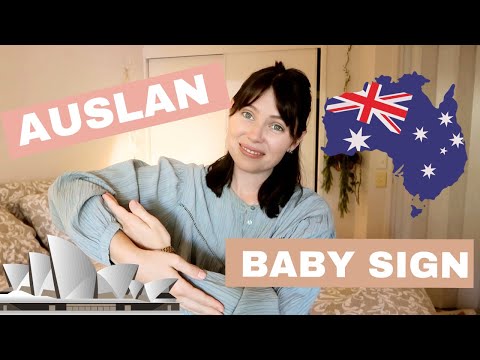
- Start with your dominant hand in a flat handshape (like a “B” handshape) facing down.
- With your non-dominant hand, also in a flat handshape, position it underneath the dominant hand, palm facing up.
- Move your dominant hand in a circular motion above the non-dominant hand, as if demonstrating dance movements.
- Make sure to smile and convey excitement through your facial expressions to reflect the joyful nature of dancing!
Common Mistakes
- Forgetting to use facial expressions, which are crucial in ASL for conveying emotions.
- Incorrect hand positioning, such as not keeping the dominant hand flat.
- Not moving the dominant hand in a clear circular motion, which can make the sign less recognizable.
Related Signs
- 1 – The sign for the number one.
- 1 Dollar – Sign for a single dollar bill.
- 10 – The sign for the number ten.
- 100 – The sign representing one hundred.
- 11 – The sign for the number eleven.
Using “Dance Class” in Everyday Conversations
Incorporating the sign for “Dance Class” into conversations can flow naturally, especially when discussing interests or social activities. Here are some example sentences:
- “I go to dance class every Wednesday.”
Auslan Sign Order: “I” (point to self) “WEDNESDAY” (sign day) “DANCE CLASS” (sign dance class). - “She loves her dance class.”
Auslan Sign Order: “SHE” (point to her) “LOVE” (sign love) “DANCE CLASS” (sign dance class). - “Are you joining a dance class this term?”
Auslan Sign Order: “YOU” (point to person) “JOIN” (sign join) “DANCE CLASS” (sign dance class) “TERM” (sign term).
These scenarios often arise in conversations about hobbies, school, or community events, making it a useful sign to practice.
Cultural Notes
The concept of “Dance Class” holds a vibrant place within the Australian Deaf community, where dance often serves as both a form of expression and a social activity. Many Deaf Australians participate in dance classes that celebrate their culture and foster connection among peers. These classes may incorporate elements of sign language, visual storytelling, and group dynamics, creating a rich environment for learning and engagement.
Dialect variations do exist; for instance, some Northern regions might emphasize certain aspects of expressive movement differently than in Southern areas. However, the core sign remains largely consistent across the country, reflecting the shared cultural appreciation for dance as a communal and inclusive experience.
Tips for Learning This Sign
To effectively learn and remember the sign for “Dance Class,” consider these practical tips:
- Mirror Practice: Stand in front of a mirror while practicing the sign. This will help you see your hand shapes and movements, ensuring they are clear and accurate.
- Observe Non-Manual Features: Pay attention to facial expressions and body language when signing. These non-manual features add context and emotion to your signing.
- Use in Context: Create short, meaningful sentences using “Dance Class” in conversations with friends or during group activities. The more you use it, the more natural it will become.
By integrating these techniques into your learning, you’ll feel more confident and fluid in your Auslan communication.
Frequently Asked Questions
Can you use this sign in a sentence?
Yes! For example, you can say, “I am going to dance class in Auslan this weekend.”
Are there regional variations of this sign?
While the sign is generally consistent, there may be slight variations in movement or handshape based on local dialects in the Deaf community.
What are some similar signs?
Signs for “dance,” “class,” and “music” can complement this sign in conversation.
How does this sign compare to BSL?
British Sign Language (BSL) has its own unique signs for “dance” and “class,” which may look quite different from Auslan.
What are some teaching tips for this sign?
Practice in front of a mirror to ensure your handshape and movement are clear. Incorporating music can help reinforce the joyful aspect of the sign.
Practice This Sign
Try signing Dance Class In Auslan with your camera and get AI coaching on your handshape, movement, and location.
Free · No signup required