
Database in Australian Sign Language (Auslan)

The sign for “database” in Auslan refers to a structured collection of information that can be easily accessed, managed, and updated. This sign is commonly used in discussions related to technology, data management, and information systems. It’s a vital term in educational and professional settings where data organization is essential.
Table of Contents
How to Sign “Database”
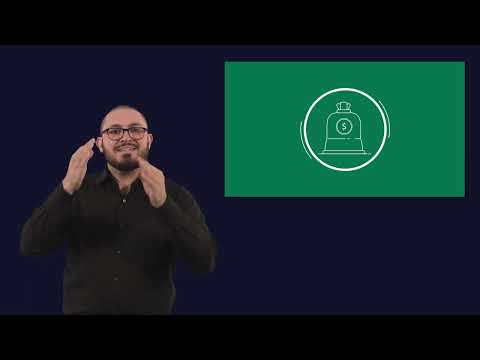
- Start with both hands open in a “B” handshape, with your palms facing down.
- Place your hands together in front of you, fingers pointing towards each other, about shoulder-width apart.
- Move your hands apart slightly while keeping them parallel, as if you are showing the breadth of the database.
- As you move your hands, your facial expression should convey focus and clarity, emphasizing the importance of the data being represented.
Common Mistakes
- Forgetting to maintain the “B” handshape, which can lead to confusion with other signs.
- Not keeping the movement parallel, resulting in a sign that looks unclear or distorted.
- Using facial expressions that do not match the context, which may convey the wrong message.
Related Signs
- 1 – The sign for the number one.
- 100 – The sign representing one hundred.
- 10 – The sign for the number ten.
- 11 – The sign representing eleven.
- 12 – The sign for the number twelve.
Using “Database” in Everyday Conversations
The sign for “database” can be used in various contexts, especially in discussions related to technology, education, and data management. Here are a few example sentences that demonstrate how to incorporate this sign naturally:
- “I need to check the database for student records.” (I NEED CHECK DATABASE STUDENT RECORDS)
- “The research team is building a new database for our project.” (RESEARCH TEAM BUILD NEW DATABASE PROJECT)
- “Can you help me access the database?” (YOU HELP ME ACCESS DATABASE)
These examples illustrate everyday situations where discussing databases is relevant, especially in academic or professional settings. Using “database” in these contexts helps facilitate clear communication among Deaf individuals and with hearing people familiar with Auslan.
Cultural Notes
In the Australian Deaf community, the concept of a “database” is often linked to the accessibility of information and resources. The use of technology to store and share data is vital for fostering communication and learning. It’s common for Deaf individuals to emphasize the importance of accessible databases in education and employment, ensuring that all community members can access relevant information.
While Auslan is relatively uniform across Australia, there may be slight dialect variations in how “database” is signed, particularly between northern and southern regions. These variations may include different facial expressions or slight shifts in hand positioning, reflecting local influences and preferences. Engaging with Deaf community members from different regions can provide insight into these nuances.
Tips for Learning This Sign
To effectively learn and remember the sign for “database,” consider these practical strategies:
- Mirror Practice: Use a mirror to observe your own signing and ensure your hand shapes and movements match the sign for “database.”
- Pay Attention to Non-Manual Features: Focus on the facial expressions and body language that accompany the sign, as they enhance meaning and context.
- Practice in Context: Incorporate “database” into short signed sentences during conversations. This will help reinforce your memory and improve fluency.
Consistent practice and engagement with the Deaf community will further enhance your understanding and use of this important sign.
Frequently Asked Questions
How do you use “database” in a sentence?
You can say, “I need to access the database for my research.” In Auslan, sign “I” then “need” followed by “database” to convey this message.
Are there regional variations for this sign?
While the sign for “database” is generally consistent, there may be slight variations in movement or facial expressions depending on the region.
What are similar signs to “database”?
Signs like “information” and “data” share similar concepts and can often be used in conjunction with “database” for clarity.
How does this sign compare to BSL?
In BSL, the sign for “database” may differ in handshape and movement. BSL uses a different structure, so it’s helpful to learn both for broader communication.
What tips do you have for teaching this sign?
Encourage students to practice with a partner and use real-world examples to reinforce the concept of a database. Clear demonstrations help solidify understanding.
Practice This Sign
Try signing Database In Auslan with your camera and get AI coaching on your handshape, movement, and location.
Free · No signup required