
Caffe Latte in Australian Sign Language (Auslan)
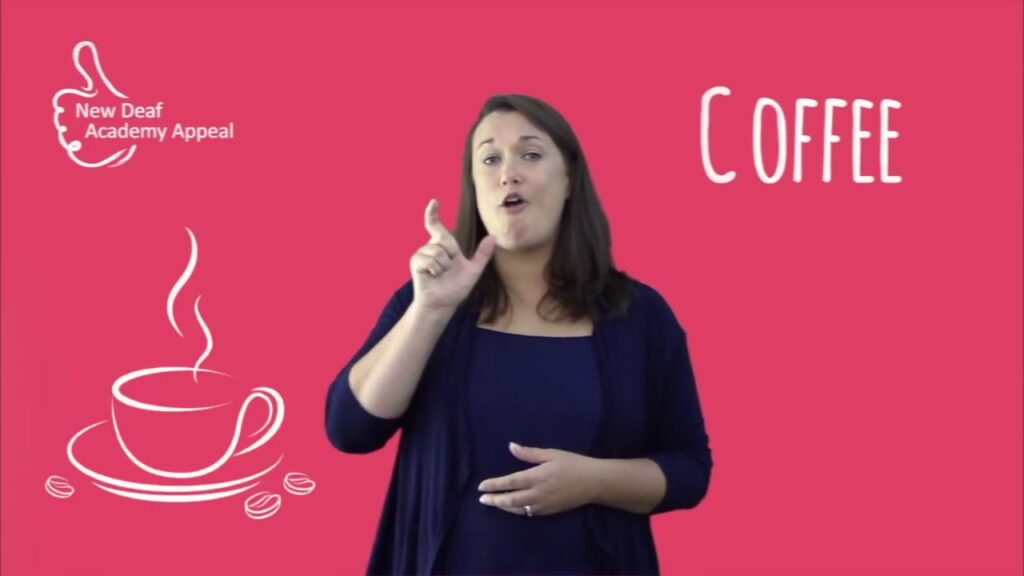
The sign for “caffe latte” in Auslan represents a popular coffee drink enjoyed by many. It’s commonly used in social settings, especially when discussing favorite beverages or ordering coffee. This sign is a fun way to engage with friends and share your love for this creamy coffee treat.
Table of Contents
How to Sign “Caffe Latte”

- Start with your dominant hand in a flat “B” handshape (like a flat palm) to represent a cup.
- Position the palm facing up, at about waist level, as if you are holding a cup.
- With your non-dominant hand, form a “C” handshape to symbolize the creamy milk in the drink.
- Bring the “C” handshape towards the “B” handshape while moving it in a circular motion, as if you are pouring milk into the cup.
- Facial expressions should reflect enjoyment or excitement, as if you are about to savor a delicious caffe latte.
Common Mistakes
- Forgetting to use facial expressions, which can convey enthusiasm and engage your audience.
- Using the wrong handshape; ensure you use a flat “B” handshape for the cup.
- Not performing the pouring motion smoothly, which may cause confusion about the sign’s meaning.
Related Signs
- 1 – The sign for the number one.
- 1 Dollar – The sign representing one dollar currency.
- 10 – The sign for the number ten.
- 100 – The sign for one hundred.
- 12 – The sign for the number twelve.
Using “Caffe Latte” in Everyday Conversations
The sign for “Caffe Latte” can be easily integrated into daily conversations, especially in social settings, such as catching up with friends or discussing plans. Here are a few example sentences to illustrate how it can be used:
- “I want Caffe Latte, what do you want?” (sign while pointing to your friend)
- “Let’s meet at the café for Caffe Latte tomorrow.”
- “I love Caffe Latte with extra foam!”
These sentences can come up naturally when chatting about coffee preferences, planning outings, or simply sharing your likes and dislikes regarding café drinks.
Cultural Notes
In the Australian Deaf community, coffee culture is vibrant and often serves as a social hub. Cafés are popular meeting spots for Deaf individuals, providing a welcoming environment for socializing and networking. The sign for “Caffe Latte” not only represents the drink but also reflects this communal aspect, where sharing a coffee can lead to deeper connections and discussions.
Dialect variations do exist, though they may not be prominent for this specific sign. Generally, northern and southern Australian Deaf communities may have slight differences in signing styles, influenced by local culture and contact with other sign languages. Observing local signers can help you grasp any regional nuances.
Tips for Learning This Sign
Mastering the sign for “Caffe Latte” can be both fun and rewarding. Here are some practical tips to help you practice and remember it:
- Mirror Practice: Stand in front of a mirror while practicing the sign. This will help you refine your handshape and positioning, ensuring that you are replicating the sign correctly.
- Focus on Non-Manual Features: Pay attention to facial expressions and body language when signing. Non-manual features like eyebrow movements can enhance the meaning and clarity of your sign.
- Use It in Context: Try incorporating the sign into short signed sentences or dialogues with friends who are learning Auslan or are part of the Deaf community. The more you use the sign in context, the easier it will be to remember.
With consistent practice and engagement, you’ll find that using “Caffe Latte” in conversations becomes second nature!
Frequently Asked Questions
Can I use this sign when ordering at a coffee shop?
Yes! It’s a great way to express your choice, and many baristas familiar with Auslan will appreciate it.
Are there regional variations for this sign?
While the sign is generally consistent, some regions may have slight variations in the hand movement or facial expressions.
Is there a similar sign for other coffee types?
Yes, you can create different signs for other coffee types by adjusting the hand shapes or movements to represent them, such as using a different handshape for “espresso.”
How does this sign compare to BSL?
In British Sign Language (BSL), the signs may differ significantly, so it’s essential to learn each language’s specific signs.
What tips do you have for teaching this sign?
Encourage learners to practice in pairs, focusing on clear hand shapes and incorporating facial expressions to enhance communication.
Practice This Sign
Try signing Caffe Latte In Auslan with your camera and get AI coaching on your handshape, movement, and location.
Free · No signup required