
Labour in Australian Sign Language (Auslan)

The sign for “labour” in Auslan is used to refer to work, effort, or the process of giving birth. It can be applied in various contexts, such as discussing jobs, hard work, or the labour process during childbirth. Understanding this sign helps in conversations about employment and family matters within the Deaf community.
Table of Contents
How to Sign “Labour”
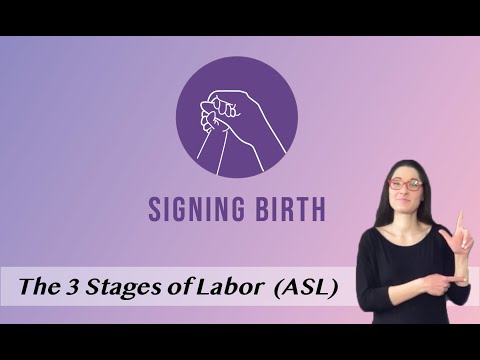
- Begin with your dominant hand in a flat handshape (like a “B” handshape) and palm facing down.
- Position your hand at the side of your body, near your hip.
- As you move your hand away from your body, make a slight downward motion to indicate effort or work.
- While signing, maintain a neutral facial expression or slightly furrow your brow to convey the seriousness of the effort involved.
Common Mistakes
- Forgetting to use the appropriate facial expressions, which are crucial for conveying the meaning of the sign.
- Using an incorrect handshape, such as a fist instead of a flat hand, which can change the meaning.
- Not moving the hand away from the body enough, leading to a less clear representation of “labour.”
Related Signs
- 1 – The sign for the number one.
- 1 Dollar – The sign for one dollar, often used in financial discussions.
- 10 – The sign for the number ten.
- 100 – The sign for one hundred, useful in many contexts.
- 11 – The sign for the number eleven.
Using “Labour” in Everyday Conversations
The sign for “Labour” is commonly used in various contexts, particularly when discussing work, childbirth, or any significant effort put into a task. Here are a few example sentences to illustrate how this sign fits naturally into conversations:
- “I am in labour.” — This might be used by someone who is expecting a baby and is ready to give birth.
- “She worked hard during her labour.” — This could refer to someone who has put in a lot of effort in their job or during childbirth.
- “They are in labour for the new project.” — This can describe a group working diligently on a significant task or project.
These examples show how the sign for “Labour” can be seamlessly integrated into everyday conversations, whether discussing pregnancy, work, or intense effort.
Cultural Notes
In the Australian Deaf community, the concept of “Labour” often transcends its literal meaning. It is not just about physical work but also encompasses the effort and emotional investment involved in various aspects of life, including community activities and cultural practices. The sign may also reflect regional variations, where some Deaf individuals from northern Australia might use a slightly different handshape or movement compared to those from the south. This variation enriches Auslan and highlights the diversity within the Deaf community across Australia.
Tips for Learning This Sign
To effectively learn the sign for “Labour,” consider the following tips:
- Mirror Practice: Stand in front of a mirror and practice your sign. This helps you to see your handshape and movement, ensuring you are signing correctly.
- Focus on Non-Manual Features: Pay attention to facial expressions and body language that accompany the sign. These non-manual features can add depth to your communication.
- Use in Context: Incorporate the sign into short signed sentences. For example, combine it with related signs like “baby” or “work” to build your vocabulary and improve fluency.
Consistent practice and using the sign in real conversations will help solidify your understanding and recall of “Labour.” Enjoy the process of learning and connecting with the rich culture of the Deaf community!
Frequently Asked Questions
How do I use “labour” in a sentence?
You can say, “I am in labour,” by signing “I” (pointing to yourself) followed by the sign for “labour.”
Are there regional variations for this sign?
Yes, some regions may have slight variations in the handshape or movement. It’s beneficial to learn from local Deaf community members.
What are similar signs to “labour”?
Signs related to work or effort include “work,” “job,” and “hard work,” each with distinct movements and meanings.
How does “labour” compare to BSL?
In BSL, the sign for “labour” may look different, emphasizing the importance of learning Auslan in its cultural context.
Any tips for teaching this sign?
Encourage learners to practice with a partner to enhance their comfort level and ensure they are using the sign correctly.
Practice This Sign
Try signing Labour In Auslan with your camera and get AI coaching on your handshape, movement, and location.
Free · No signup required