
Campaigning in Australian Sign Language (Auslan)

The sign for “campaigning” in Auslan is used to describe the act of promoting a candidate, cause, or idea, often in a political context. It captures the essence of actively seeking support and engaging with the community. This sign is typically used during election seasons or advocacy events.
Table of Contents
How to Sign “Campaigning”
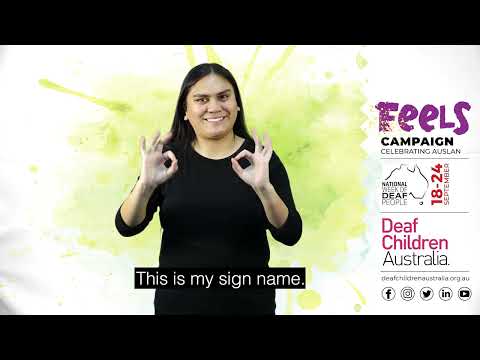
- Start with your dominant hand in a fist, palm facing inward.
- Position your fist near your chest, about shoulder height.
- Move your fist outward in a slight arc, as if you are reaching out to engage with an audience.
- As you move your hand, maintain eye contact and use facial expressions that convey enthusiasm and determination.
Common Mistakes
- Forgetting to use facial expressions; the emotion behind the sign is crucial.
- Not fully extending the arm during the outward movement, which can reduce the sign’s impact.
- Using a flat hand instead of a fist; the handshape is important for clarity.
Related Signs
- 1 – The sign for the number one.
- 1 Dollar – The sign representing a single dollar.
- 10 – The sign for the number ten.
- 100 – The sign for one hundred.
- 11 – The sign for the number eleven.
Using “Campaigning” in Everyday Conversations
The sign “Campaigning” can be integrated into various discussions, especially those related to social issues, politics, and community engagement. Here are a few example sentences to illustrate its use:
- “I saw the local group campaigning for better public transport.” (Sign: I + LOCAL GROUP + CAMPAIGNING + BETTER + PUBLIC TRANSPORT)
- “They are campaigning for awareness about mental health.” (Sign: THEY + CAMPAIGNING + AWARENESS + MENTAL HEALTH)
- “Our community is campaigning against climate change.” (Sign: OUR COMMUNITY + CAMPAIGNING + AGAINST + CLIMATE CHANGE)
These examples can come up naturally in conversations about community initiatives, advocacy work, or during election seasons when discussing candidates and their platforms.
Cultural Notes
The concept of “Campaigning” holds significant weight within the Australian Deaf community, often tied to advocacy for Deaf rights and accessibility. Campaigns may aim to promote awareness around issues such as education, employment, and representation in media. Engaging in active campaigning is seen as a way for Deaf individuals to voice their concerns and influence policy changes that affect their lives.
In Australia, Deaf culture is rich and diverse, with variations in signing styles between northern and southern regions. While the sign “Campaigning” remains consistent, the rhythm and accompanying non-manual features (like facial expressions) may differ, reflecting local dialects and cultural influences. Being aware of these nuances can enhance communication and connection within the community.
Tips for Learning This Sign
To effectively learn and remember the sign “Campaigning,” consider incorporating the following strategies into your practice:
- Mirror Practice: Stand in front of a mirror while practicing the sign to observe your hand movements and facial expressions. This will help you ensure accuracy in your signing.
- Watch for Non-Manual Features: Pay attention to the facial expressions and body language that accompany the sign. These non-manual features can convey additional meaning and are crucial in Auslan.
- Use in Context: Create short sentences incorporating “Campaigning” into your daily practice. Engage with friends or fellow learners to discuss topics related to campaigning, reinforcing the sign in meaningful contexts.
By using these tips, you’ll not only master the sign “Campaigning” but also deepen your understanding of its significance in conversations within the Deaf community.
Frequently Asked Questions
How can I use “campaigning” in a sentence?
You might say, “I am campaigning for my friend in the election.” In Auslan, you would sign “I CAMPAIGN FRIEND ELECTION.”
Are there regional variations in how this sign is used?
Yes, some regions may have slightly different hand shapes or movements, so it’s beneficial to observe local signers.
What are some similar signs?
Similar signs include “voting,” “election,” and “advocacy,” each focusing on aspects of political engagement.
How does this sign compare to BSL?
While BSL has its unique signs, “campaigning” may have similar concepts but will look different in execution. It’s always good to learn both for broader communication.
What are some teaching tips for this sign?
Practice in front of a mirror to ensure your facial expressions match the sign’s meaning, and encourage peer feedback to refine your technique.
Practice This Sign
Try signing Campaigning In Auslan with your camera and get AI coaching on your handshape, movement, and location.
Free · No signup required