
Ball in Australian Sign Language (Auslan)
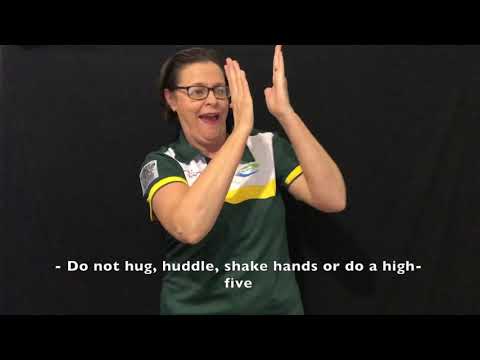
The sign for “ball” in Auslan is used to represent a spherical object, often associated with sports or play. You might use this sign when talking about games, toys, or activities involving a ball.
Table of Contents
How to Sign “Ball”
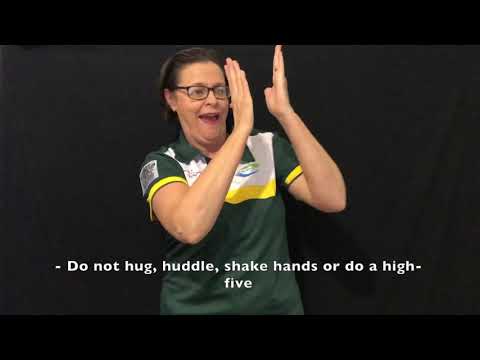
- Start with both hands in front of your body, forming loose fists with your fingers curled in.
- Bring your hands together so that your fists touch slightly, resembling a ball shape.
- Gently move your hands apart while keeping the shape of the fists, as if you are holding a ball and showing its roundness.
- Use a facial expression that conveys excitement or playfulness, as this enhances the meaning of the sign.
Common Mistakes
- Forgetting to maintain the rounded fist shape, which can make the sign unclear.
- Using flat hands instead of fists, which does not accurately represent the concept of a ball.
- Not incorporating facial expressions, which are essential in Auslan to convey emotion and context.
Related Signs
- 1 – The sign for the number one.
- 1 Dollar – The sign for one dollar in Auslan.
- 10 – The sign for the number ten.
- 100 – The sign for one hundred.
- 12 – The sign for the number twelve.
Using “Ball” in Everyday Conversations
The sign for “Ball” is often used in various everyday contexts, particularly when discussing sports, playtime, or social activities. Here are some example sentences that illustrate its use:
- “I play soccer with my friends.” (I FRIENDS SOCCER PLAY BALL)
- “Do you have a ball?” (YOU HAVE BALL?)
- “The dog loves to chase the ball.” (DOG LOVE CHASE BALL)
These sentences can come up in casual conversations about weekend plans, family activities, or even during discussions about pets. Using the sign in these contexts helps to clarify the subject and adds a visual element to the conversation.
Cultural Notes
The sign “Ball” holds a special place in the Australian Deaf community, often associated with recreational activities and sports that are popular among Deaf individuals. Many Deaf sports clubs in Australia utilize balls for games like soccer, basketball, and netball, fostering community engagement and teamwork. Additionally, the sign can vary subtly between northern and southern dialects; while the basic form remains consistent, some regional variations may influence the speed or emphasis of the sign. Understanding these nuances can enhance communication and connection within the community.
Tips for Learning This Sign
To effectively learn and remember the sign for “Ball,” consider the following tips:
- Mirror Practice: Use a mirror to observe your hand shape and movement. This will help you refine your technique and ensure that you’re forming the sign correctly.
- Watch for Non-Manual Features: Pay attention to facial expressions and body language while signing. These non-manual features can add context and emotion to your signing, making it more engaging.
- Incorporate into Short Sentences: Practice using “Ball” in simple sentences during your daily routine. This will help reinforce the sign and make it a more natural part of your vocabulary.
By actively engaging with the sign in various ways, you’ll build confidence and fluency in your Auslan skills.
Frequently Asked Questions
How can I use “ball” in a sentence?
You can say, “I want to play with the ball” by signing “I” (point to yourself), “want” (both hands in a claw shape moving towards you), and then “ball”.
Are there regional variations for the sign “ball”?
Are there similar signs to “ball”?
Yes, signs like “toy” or “game” can be similar, but they have their own distinct shapes and movements.
How does this sign compare to BSL?
In BSL (British Sign Language), the sign for “ball” is different, often using a more distinct fist motion. It’s helpful to learn both if you’re communicating with a diverse community.
What are some teaching tips for this sign?
Practice with a partner and use props to help visualize the concept of a ball. Encourage expressive facial gestures to make the sign more engaging.
Practice This Sign
Try signing Ball In Auslan with your camera and get AI coaching on your handshape, movement, and location.
Free · No signup required