
Abcs in Australian Sign Language (Auslan)
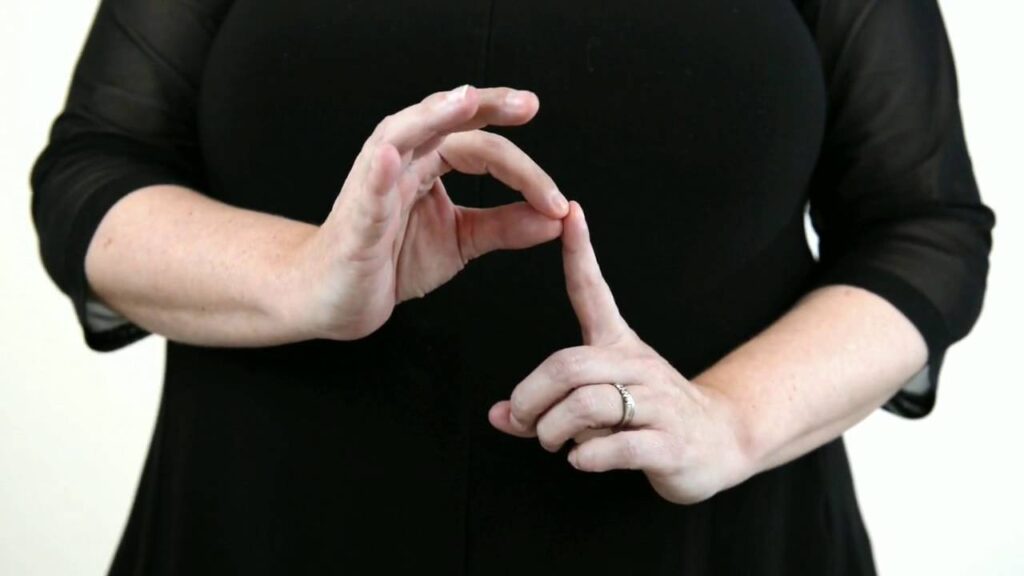
The sign “ABCs in Auslan” represents the letters of the alphabet in Australian Sign Language (Auslan). This sign is commonly used when teaching or discussing the alphabet, particularly in educational contexts or when communicating with children. It serves as a foundational tool for literacy and language development within the Deaf community.
Table of Contents
How to Sign “Abcs”
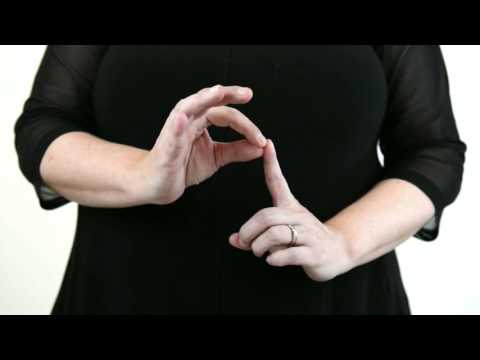
- Start with both hands in front of you, palms facing inwards.
- Form the letter “A” by making a fist with your dominant hand and placing the thumb on the side of the fist.
- Move your dominant hand slightly forward as if presenting the letter.
- Transition to the letter “B” by opening your dominant hand, keeping fingers together and pointing them straight up, while your non-dominant hand remains in the “A” position.
- Continue through each letter of the alphabet, ensuring to clearly shape each letter with your dominant hand while positioning your non-dominant hand to support the sequence.
- Maintain eye contact and use facial expressions to indicate the flow of the alphabet.
Common Mistakes
- Forgetting to maintain a steady rhythm when signing the alphabet, which can make it difficult for others to follow.
- Neglecting to use facial expressions, which are key to conveying meaning and engagement in Auslan.
- Incorrect hand positioning for specific letters, leading to confusion in understanding.
Related Signs
- 1 – The sign for the number one.
- 10 – The sign for the number ten.
- 100 – The sign for the number one hundred.
- 11 – The sign for the number eleven.
- 12 – The sign for the number twelve.
Using “Abcs” in Everyday Conversations
The sign “Abcs” frequently appears in various everyday conversations, especially when discussing topics related to education, literacy, or communication. Here are a few example sentences to illustrate its use:
- “I want to teach my child the ABCs.”
- “Can you show me the ABCs in sign?”
- “Learning the ABCs is the first step to reading.”
These sentences might come up in contexts such as discussions between parents and educators, lessons in a classroom setting, or casual chats among friends about learning resources. Incorporating the sign into these sentences helps facilitate a richer dialogue about literacy and education.
Cultural Notes
The sign “Abcs” holds significant meaning within the Australian Deaf community, reflecting the importance of literacy and communication skills. It often serves as a bridge to understanding spoken language, particularly for young Deaf children or those new to Auslan. In Australia, the teaching of the ABCs in Auslan is a common practice among families and educators, promoting early literacy.
While the sign itself is widely recognized across Australia, some regional variations may exist, particularly between northern and southern dialects. For example, signers in the north may incorporate a slightly different handshape or movement when expressing the ABCs, influenced by local signing patterns. Being aware of these variations can deepen your understanding and appreciation of Auslan as a vibrant and diverse language.
Tips for Learning This Sign
Practicing the sign “Abcs” effectively can enhance your comfort and fluency. Here are some concrete tips to help you learn and remember it:
- Mirror Practice: Stand in front of a mirror while practicing the sign. This allows you to see your hand shapes and movements, ensuring accuracy.
- Watch for Non-Manual Features: Pay attention to facial expressions and body language that often accompany the sign. These non-manual features can convey important context and meaning.
- Use it in Short Signed Sentences: Incorporate “Abcs” into short, everyday sentences. For instance, practice saying, “I learned the ABCs!” This will help reinforce both the sign and its context.
Regular practice, combined with active engagement in conversations where this sign is relevant, will significantly enhance your proficiency in using “Abcs” within Auslan.
Frequently Asked Questions
How do I use “ABCs in Auslan” in a sentence?
You can say, “Let’s learn the ABCs in Auslan,” using the sign to demonstrate the letters as you speak.
Are there regional variations of this sign?
While the core signs remain consistent, some variations may exist based on local dialects within the Deaf community in Australia.
Are there similar signs in ASL?
In ASL, the alphabet is signed differently but serves the same purpose in teaching letters and spelling.
How does this compare to BSL?
British Sign Language (BSL) uses a different alphabet signing method, so it’s important to learn each system separately.
What are some teaching tips for signing the alphabet?
Practice regularly, use visual aids, and encourage interaction to help reinforce learning the ABCs in Auslan.
Practice This Sign
Try signing Abcs In Auslan with your camera and get AI coaching on your handshape, movement, and location.
Free · No signup required