
Auslan Where in Australian Sign Language (Auslan)
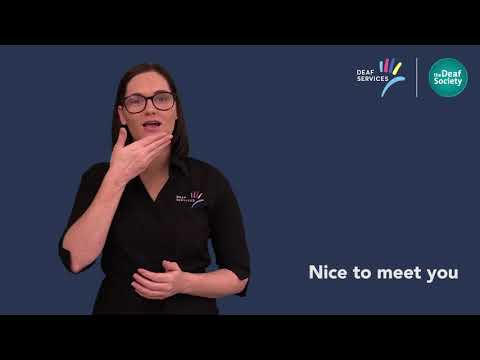
The sign “Auslan Where” is used to ask about the location of things or events in the context of Australian Sign Language (Auslan). This sign is often used in conversations to clarify or inquire about specific places or directions. It helps to connect with others in a meaningful way, fostering communication within the Deaf community.
Table of Contents
How to Sign “Auslan Where”

- Start with your dominant hand in a flat, open shape (like a “B” handshape), with your palm facing up.
- Position your hand in front of your body, around chest height.
- Move your hand slightly side to side, while maintaining the same handshape and height.
- As you sign, raise your eyebrows slightly to indicate that you’re asking a question.
Common Mistakes
- Forgetting to raise eyebrows while signing, which can make the question unclear.
- Using a fist instead of a flat handshape, which can change the meaning of the sign.
- Not maintaining the proper height; signing too low can confuse the meaning.
Related Signs
- #Auslan Latest – A sign used to ask about the most recent updates in Auslan.
- – Hello How Are You – A common greeting sign in Auslan.
- 0 In Auslan – This sign represents the number zero in Auslan.
- 1 – The sign for the number one.
- 10 – The sign for the number ten.
Using “Auslan Where” in Everyday Conversations
Incorporating “Auslan Where” into everyday conversations can enhance communication and social interactions. Here are a few examples of how this sign can be used naturally:
- Context: Looking for a friend at a crowded event.
Example: “WHERE [friend’s name]?” - Context: Asking for directions in a new place.
Example: “WHERE [location]?” - Context: Inquiring about someone’s background.
Example: “WHERE YOU FROM?”
Using “Auslan Where” in these contexts makes your questions clear and direct, allowing for effective communication within the Deaf community.
Cultural Notes
The sign “Auslan Where” holds significance within the Australian Deaf community as it embodies the emphasis on visual communication. Asking “where” is not just about location; it can also reflect a deeper curiosity about someone’s identity or experiences. In some regions, there may be slight variations in how the sign is produced, particularly between northern and southern dialects. While the core sign remains the same, local variations may exist in the movement or facial expressions used, reflecting the rich diversity within Auslan.
Tips for Learning This Sign
Practicing “Auslan Where” can be both fun and effective with these tips:
- Mirror Practice: Use a mirror to observe your own signing. Ensure your handshape and movement match the correct formation.
- Watch for Non-manual Features: Pay attention to your facial expressions and body language while signing. These non-manual features can enhance the meaning and clarity of your signs.
- Use in Short Sentences: Create simple sentences that include “Auslan Where” to reinforce your learning. For instance, practice variations like “WHERE [item]?” or “WHERE YOU GO?” to build familiarity.
Regular practice and engagement with the Deaf community will help solidify your understanding and use of this essential sign.
Frequently Asked Questions
How can I use “Auslan Where” in a sentence?
You can use it to ask, “Auslan where is the meeting?” by signing the phrase with the context clearly in mind.
Are there regional variations of this sign?
Yes, some regions may have slight variations in the movement or facial expressions used. It’s good to learn from local Deaf community members.
Are there similar signs in ASL?
Yes, signs like “Where” or “Location” might look similar but can differ in handshape or movement. Pay attention to the context!
How does this sign compare to BSL?
British Sign Language (BSL) has a different sign for “where,” so it’s important to learn the distinctions if you’re familiar with both languages.
What are some teaching tips for this sign?
Practice in front of a mirror to ensure your handshape and facial expressions are correct. Watching videos of native signers can also help.
Practice ASL Signs
Use your camera to practice signs and get real-time AI feedback on your technique.
Free · No signup required