
About It Roughly in Australian Sign Language (Auslan)
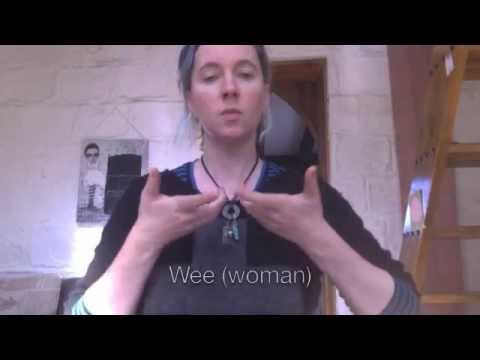
The sign for “about it roughly” in Auslan conveys a sense of approximation or general information regarding a subject or topic. It’s commonly used in conversations when discussing details without going into specifics. This sign can help clarify that what is being mentioned is not exact but rather an estimation or general idea.
Table of Contents
How to Sign “About It Roughly”
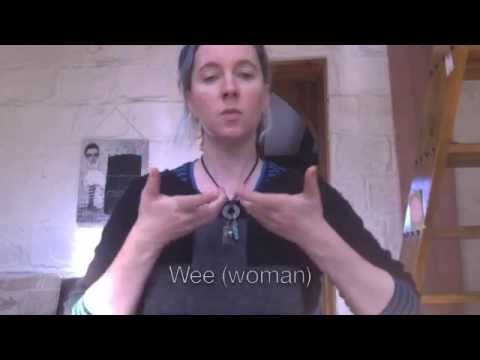
- Start with both hands in a “B” handshape (flat palm facing down).
- Position your hands in front of your chest, about shoulder-width apart.
- Move your hands slightly outward from your body, while keeping them parallel to each other.
- As you move your hands, tilt your head slightly to one side to show engagement.
- End the movement with a relaxed facial expression to indicate a casual or approximate nature.
Common Mistakes
- Using a tight or rigid handshape instead of the relaxed “B” handshape can make the sign unclear.
- Failing to use facial expressions, which are crucial in Auslan for conveying meaning and context.
- Not maintaining a comfortable distance between the hands can result in a sign that appears too abrupt or aggressive.
Related Signs
- 1 – The sign for the number one, often used in counting.
- 1 Dollar – A sign for indicating a single dollar amount.
- 10 – The sign for the number ten, frequently used in various contexts.
- 100 – Representing the number one hundred in counting.
- 11 – The sign for the number eleven, useful in numerical conversations.
Using “About It Roughly” in Everyday Conversations
The sign “About It Roughly” is commonly used in casual conversations to express uncertainty or to provide a general idea without going into detail. Here are a couple of example sentences that illustrate its use:
- Friend 1: “How much did the new phone cost?”
Friend 2: “About it roughly $1,000.” (Indicating a ballpark figure without specifying an exact amount.) - Colleague: “What time will the meeting end?”
You: “About it roughly 3 PM.” (Giving a general estimate of the meeting’s duration.)
This sign comes up naturally in situations where precise information is either unknown or unnecessary, allowing for a relaxed exchange of ideas.
Cultural Notes
In the Australian Deaf community, the use of “About It Roughly” reflects a broader cultural approach to communication that values directness and clarity, while also embracing flexibility in language. This aligns with the community’s emphasis on building relationships and understanding one another, rather than focusing solely on precise details.
While there are no significant northern or southern dialect variations for this specific sign, it’s important to recognize that regional influences may affect how other signs are used within conversations. Deaf individuals across Australia often share a rich tapestry of signing styles shaped by local communities, and adapting to these nuances can enhance communication.
Tips for Learning This Sign
Practicing “About It Roughly” can be both fun and effective. Here are some tips to help you master this sign:
- Mirror Practice: Stand in front of a mirror while practicing the sign. This helps you observe your hand shapes and movements, ensuring you are signing correctly.
- Watch for Non-Manual Features: Pay attention to facial expressions and body language when using the sign. These non-manual features add context and meaning to your signing.
- Use in Short Signed Sentences: Create short sentences that include “About It Roughly” and practice them in conversations. This will help reinforce your understanding and increase your confidence in using the sign naturally.
By incorporating these methods into your practice, you’ll be able to remember “About It Roughly” and use it effectively in your conversations.
Frequently Asked Questions
How can I use this sign in a sentence?
You can say, “I heard about it roughly” while using the sign to indicate that you have general information without specifics.
Are there regional variations for this sign?
Yes, some regions may have slight variations in handshape or movement, but the general concept remains the same.
What are some signs similar to this one?
Signs like “about,” “around,” or “approximately” convey similar meanings and can be used interchangeably in certain contexts.
How does this compare to BSL?
While BSL (British Sign Language) has its own signs, the concept of approximating can be expressed similarly, though the signs will look different.
Any tips for teaching this sign?
Encourage students to practice facial expressions and the relaxed handshape, as these aspects are key to effective communication in Auslan.
Practice This Sign
Try signing About It Roughly In Auslan with your camera and get AI coaching on your handshape, movement, and location.
Free · No signup required