
Abidance in Australian Sign Language (Auslan)
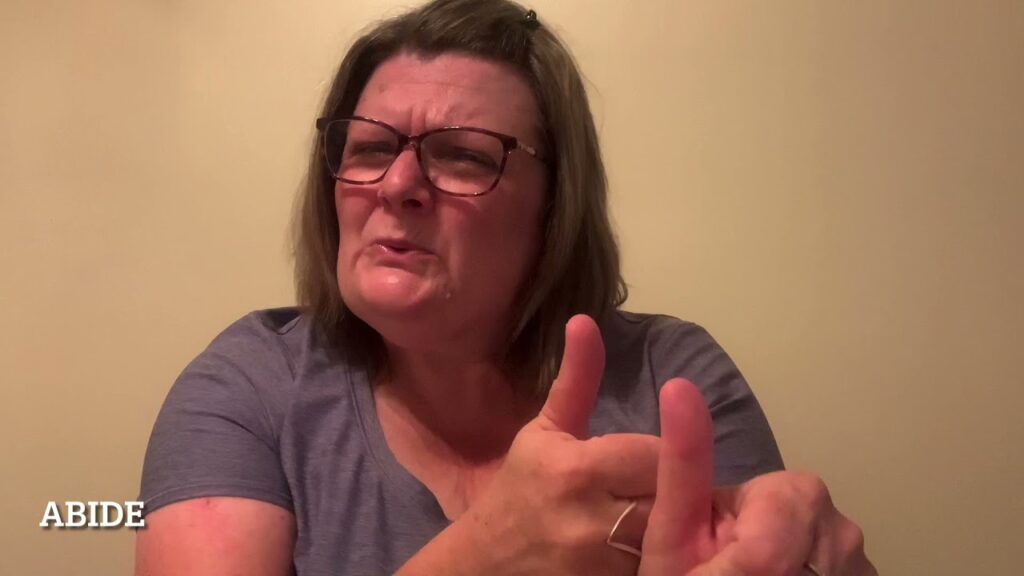
The sign for “abidance” in Auslan conveys a sense of remaining, staying, or continuing in a particular state or condition. It is commonly used in contexts where one wants to express the idea of persistence or enduring presence.
Table of Contents
How to Sign “Abidance”
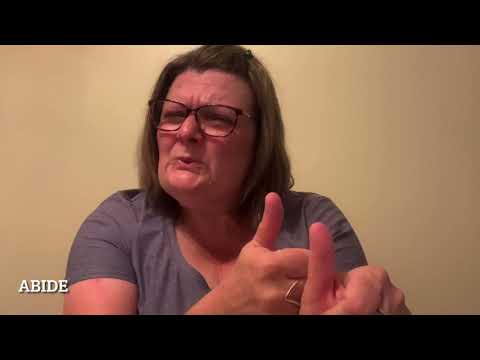
- Start with both hands open and palms facing down.
- Position your hands at about waist height, slightly apart from each other.
- Move your hands outward and slightly forward while maintaining the open hand shape.
- As you move your hands, incorporate a gentle upward motion, which signifies the idea of staying or remaining.
- Maintain a calm and steady facial expression to reflect the meaning of abidance.
Common Mistakes
- Forgetting to keep the hands open; some learners may instinctively use a fist shape.
- Moving the hands too quickly, which can change the intended meaning of the sign.
- Not using facial expressions, which are crucial for conveying the emotional nuance of the sign.
Related Signs
- 1 – The sign for the number one.
- 10 – The sign for the number ten.
- 100 – The sign for the number one hundred.
- 11 – The sign for the number eleven.
- 12 – The sign for the number twelve.
Using “Abidance” in Everyday Conversations
The sign for “Abidance” can naturally fit into conversations that discuss commitment, loyalty, or a deep connection to a belief or practice. Here are a few example sentences:
- Example 1: “I have abidance for my family. (FAMILY I ABIDANCE)” — This could come up when discussing family values or support.
- Example 2: “Her abidance in the community is inspiring. (COMMUNITY HER ABIDANCE INSPIRING)” — This might be used when talking about someone’s dedication to community service or involvement.
- Example 3: “We need abidance to our goals. (GOALS WE NEED ABIDANCE)” — This can be relevant in discussions about motivation and personal missions.
Cultural Notes
In the Australian Deaf community, the concept of “abidance” often reflects a strong emphasis on community values, relationships, and shared experiences. The sign embodies a sense of belonging and commitment, which resonates deeply within the culture. It is important to understand that many Deaf Australians live by a philosophy of mutual support and loyalty, and this is often expressed through their interactions and the language they use.
When it comes to dialect variations, some regions may have subtle differences in how “abidance” is signed or used contextually. For instance, Deaf communities in southern Australia may use a slightly different facial expression or body language to convey the depth of the term compared to those in northern regions. Being aware of these nuances can enrich your understanding and use of the sign.
Tips for Learning This Sign
Practicing the sign “abidance” can be made easier with a few helpful techniques:
- Mirror Practice: Use a mirror to ensure your handshape and movements are accurate. This helps with muscle memory and visual feedback.
- Watch for Non-Manual Features: Pay attention to your facial expressions and body posture when signing. These non-manual features add meaning and emotion to the sign.
- Use in Short Signed Sentences: Incorporate “abidance” into short sentences while practicing with a partner or in a study group. This contextualizes the sign and reinforces its meaning in conversation.
By implementing these tips, you’ll find it becomes more intuitive to use “abidance” in your Auslan vocabulary.
Frequently Asked Questions
How can I use “abidance” in a sentence?
You can say, “I choose abidance in my studies,” which would emphasize your commitment to your education.
Are there regional variations of this sign?
While the sign is generally consistent, slight variations may exist in different communities. Observing local signers can help you adapt.
What is a similar sign to “abidance”?
The sign for “stay” has a similar meaning and can be used in contexts where you want to express remaining in one place.
How does this sign compare to BSL?
Though similar in concept, BSL may have different signs for “abidance.” It’s best to learn from a native BSL user for accuracy.
What are some teaching tips for this sign?
Focus on hand shape and facial expressions. Practice with a partner to ensure clarity and understanding of the sign.
Practice This Sign
Try signing Abidance In Auslan with your camera and get AI coaching on your handshape, movement, and location.
Free · No signup required