
Abbreviate in Australian Sign Language (Auslan)
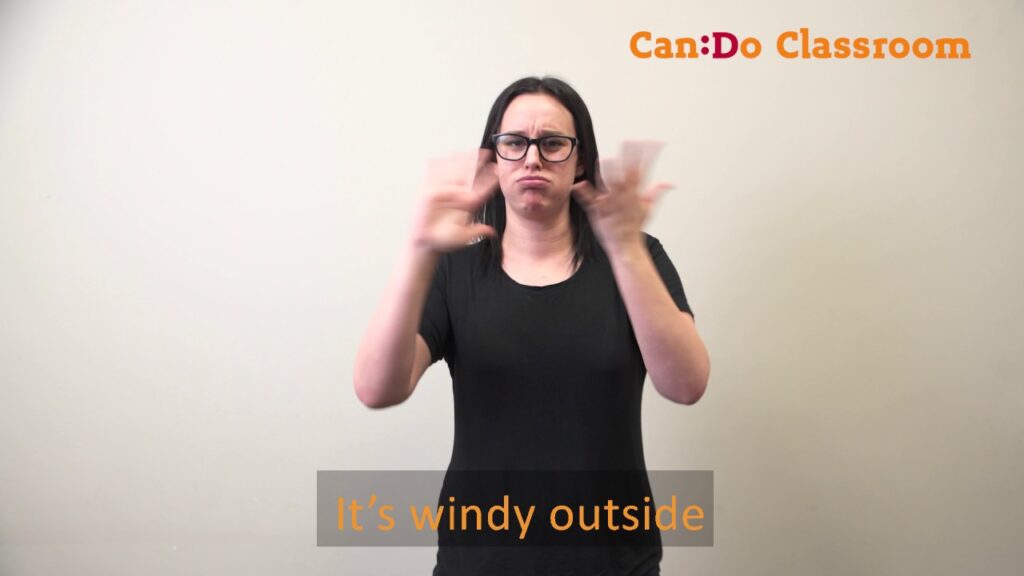
The sign for “abbreviate in Auslan” refers to the process of shortening words or phrases for efficiency in communication. This sign is often used in educational contexts or discussions about language, particularly when talking about how certain terms can be condensed. It can also come in handy during conversations about writing or note-taking.
Table of Contents
How to Sign “Abbreviate”
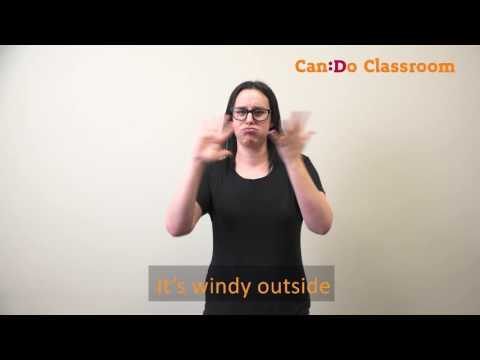
- Start with your dominant hand in a flat handshape (palm facing down) at about shoulder height.
- Using your dominant hand, move your hand slightly forward and downwards while curling your fingers inward, as if you are pulling something in.
- Simultaneously, furrow your eyebrows slightly to indicate concentration or emphasis, reflecting the importance of the action.
- Finish the movement by bringing your hand back to the starting position, maintaining the flat handshape throughout the sign.
Common Mistakes
- Forgetting to maintain the flat handshape, which can change the meaning of the sign.
- Not using facial expressions, which are crucial in ASL to convey the context and emotion of the sign.
- Moving the hand too quickly, making it difficult for the viewer to understand the sign’s meaning.
Related Signs
- 1 – The sign for the number one.
- 10 – The sign for the number ten.
- 100 – The sign for the number one hundred.
- 12 – The sign for the number twelve.
- 15 – The sign for the number fifteen.
Using “Abbreviate” in Everyday Conversations
The sign “Abbreviate” can be integrated into various everyday conversations, especially when discussing language, writing, or communication. Here are a few example sentences that showcase how this sign can flow naturally in Auslan:
- “I often abbreviate long words when texting.” (SIGN: I TEXT LONG WORDS ABBREVIATE)
- “Can you abbreviate that phrase for me?” (SIGN: YOU PHRASE ABBREVIATE CAN?)
- “Sometimes, I find it easier to abbreviate my notes.” (SIGN: I NOTES EASIER ABBREVIATE)
These examples can come up in conversations at school, during meetings, or simply while chatting with friends about effective communication methods.
Cultural Notes
In the Australian Deaf community, the use of abbreviations is common, particularly among younger generations who rely heavily on text messaging and social media. Abbreviating words or phrases is not just a practical choice; it reflects a shared understanding and cultural norm within the community. This practice helps foster connections and enhances communication efficiency.
Additionally, while Auslan is predominantly uniform across Australia, some regional differences can be noted. For instance, Northern and Southern dialects may vary slightly in how certain signs are executed or in the context of usage. However, the sign for “Abbreviate” remains widely recognized across the country, making it a useful addition to any Auslan vocabulary.
Tips for Learning This Sign
To effectively learn and remember the sign “Abbreviate,” consider the following strategies:
- Mirror Practice: Use a mirror to practice the sign. This helps you observe your hand shapes and movements, ensuring accuracy.
- Watch for Non-Manual Features: Pay attention to facial expressions and body language while signing. These non-manual features add context and meaning, making your signing more expressive.
- Use in Short Signed Sentences: Integrate the sign into brief, everyday sentences. This repetition will reinforce your memory and help you become more fluid in your signing.
Consistency is key. Regular practice will help solidify your understanding and usage of the sign “Abbreviate” in conversation.
Frequently Asked Questions
How do I use “abbreviate in Auslan” in a sentence?
You might say, “I need to abbreviate this term in Auslan,” while signing to illustrate the action.
Are there regional variations for this sign?
While the sign is generally consistent, some regions might have slight variations in movement or handshape.
What are some similar signs?
Signs for numbers like 1 and 10 are similar in movement but differ in meaning and context.
How does this compare to BSL?
BSL has different signs for similar concepts, and the visual structure may differ significantly, reflecting the unique aspects of each sign language.
Any tips for teaching this sign?
Encourage students to practice with peers, using facial expressions to enhance understanding. Demonstrating the sign in context can also be helpful.
Practice This Sign
Try signing Abbreviate In Auslan with your camera and get AI coaching on your handshape, movement, and location.
Free · No signup required