
Sweat in Sign Language (ASL)
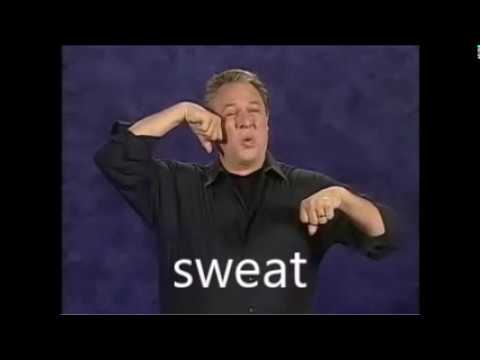
Sweat is a sign that represents perspiration, typically associated with physical exertion or emotional stress. This sign is commonly used in discussions about exercise, heat, or stressful situations where one might sweat. Understanding how to express this concept can enhance communication in various contexts, especially when discussing health or physical activities.
[VIDEO_PLACEHOLDER]
Table of Contents
How to Form the Sign “Sweat”
- Handshape: Use your dominant hand in a flat “B” handshape. The fingers should be extended together with the palm facing downward.
- Location: Position your hand slightly in front of your forehead or temples.
- Movement: Move your hand downward in a fluid motion, as if allowing sweat to drip from your forehead. This mimics the natural movement of sweat running down the face.
- Non-manual signals: Accompany the sign with a facial expression that reflects the intensity of the sweat, such as frowning or squinting eyes if it’s related to heat or hard work.
This sign visually represents the concept of sweat and is effective in conveying the feeling associated with it. Practicing the movement in conjunction with an appropriate facial expression enhances comprehension and gives more context to your message.
Using “Sweat” in Everyday Signing
Incorporating “Sweat” into your conversations can add depth to discussions about physical activity or discomfort. Here are a few examples of how you might use it:
- After a workout, you might say: “I really sweat a lot today at the gym.”
- If discussing a hot day, you could express: “It’s so hot, I’m sweating!”
- In a conversation about anxiety: “I felt so nervous, I started to sweat.”
Signs Related to “Sweat”
Here are a few signs that are conceptually or contextually related to “Sweat”:
- Heat – Describing high temperatures that often cause sweating.
- Exercise – Often leads to sweating due to physical exertion.
- Nervous – Related to sweating in tense situations.
- Water – Sweat is primarily composed of water.
Cultural Note on “Sweat”
In Deaf culture, expressions of physical states like sweating are often exaggerated for emphasis. When discussing topics such as exercise or heat, it’s common to use more dramatic facial expressions and larger movements to convey the extent of the experience. This not only makes the conversation more engaging but also helps the receiver understand the intensity of the situation being described.
Frequently Asked Questions
What is the difference between “Sweat” and “Drip”?
“Sweat” specifically refers to perspiration, while “Drip” may refer to any liquid falling or moving downwards, such as water. The movements and contexts for these signs vary, with “Sweat” typically involving a more direct link to physical activity or emotion.
Can “Sweat” be used in different contexts?
Yes, “Sweat” can be used in various contexts, including exercise, hot weather, and even in situations where someone feels nervous or stressed.
How can I practice the sign “Sweat”?
You can practice the sign by mimicking the action of sweating after different activities, such as exercise or being outside on a hot day. Use a mirror to observe your handshape and facial expressions to ensure clarity and emphasis.
Is “Sweat” used in the same way in all regions?
While the sign “Sweat” is generally consistent, regional variations in ASL may exist. It’s always a good idea to learn from local Deaf individuals to understand any nuances.
Practice ASL Signs
Use your camera to practice signs and get real-time AI feedback on your technique.
Free · No signup required