
Exercise in Sign Language (ASL)
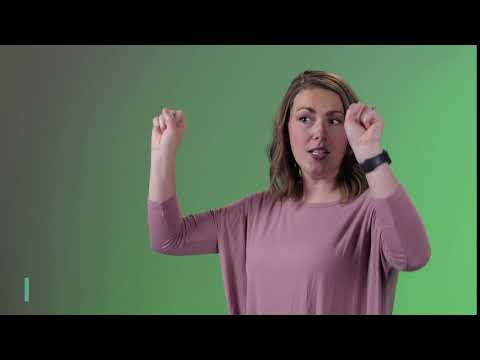
The sign for Exercise represents physical activity intended to improve health and fitness. It is commonly used in discussions about health, fitness routines, and personal well-being. Understanding this sign can enhance communication about lifestyle choices and physical routines within the Deaf community.
[VIDEO_PLACEHOLDER]
Table of Contents
Forming the sign
- Handshape: Use the dominant hand in an open “B” handshape, where all fingers are extended and close together.
- Location: Position your hand in front of your chest, slightly to one side.
- Movement: Move the hand forward and upward in a gentle arc, then bring it back to the starting position. This motion symbolizes the repetitive nature of exercise.
- Non-manual signals: You can enhance this sign by nodding your head slightly while making the sign, which indicates emphasis or affirmation.
This sign mimics the movements associated with exercising, making it visually representative of the concept. The arc motion suggests activity and effort, which are integral to exercising. Good practice involves combining this sign with facial expressions that convey enthusiasm or determination.
Using “Exercise” in sentences
Here are some example sentences that incorporate the sign for Exercise:
- I exercise daily: Sign “I” by pointing to yourself, followed by “Exercise” to indicate your routine.
- Do you want to exercise together?: Sign “you” and then “Exercise” while using an inviting facial expression.
- Exercise is important for health: You can use “Exercise” after signing “important” and “health” to discuss its significance.
In these examples, the sign for Exercise is contextualized within everyday conversations, allowing for the sharing of personal habits and preferences in physical activity.
Signs related to “Exercise”
Understanding related signs can provide a richer context for discussing fitness and health. Here are some useful signs:
- Health: Discusses overall well-being.
- Fit: Connects to being in good physical condition.
- Workout: Specific activities or regimes focused on fitness.
- Gym: A place designed for exercise.
Common confusion with a similar sign
Many learners confuse the sign for Exercise with the sign for “Play.” While both involve similar hand shapes and movements, the context differs significantly. The Exercise sign emphasizes physical activity with a focus on fitness, while the Play sign may denote leisure activities or sports. Paying attention to the context and facial expressions will help distinguish between these two signs.
FAQ
What is the difference between “Exercise” and “Workout” in ASL?
While both refer to physical activities aimed at improving fitness, “Exercise” is a broader term encompassing any physical activity, whereas “Workout” usually refers to a structured routine or session focused on fitness.
Can “Exercise” be used to talk about mental exercise?
Generally, “Exercise” refers specifically to physical activity. For mental activities, you would use different signs, such as “Learning” or “Study.”
How can I practice the sign for “Exercise” effectively?
To practice, use a mirror to observe your handshape and movements. Combine it with phrases about your exercise routine to reinforce its use in context.
Is the sign for “Exercise” the same across different regions?
While the sign for Exercise is widely recognized, some regional variations may exist. It is beneficial to learn from local Deaf communities to ensure proper usage.
Practice ASL Signs
Use your camera to practice signs and get real-time AI feedback on your technique.
Free · No signup required