
Psychologist in Sign Language (ASL)
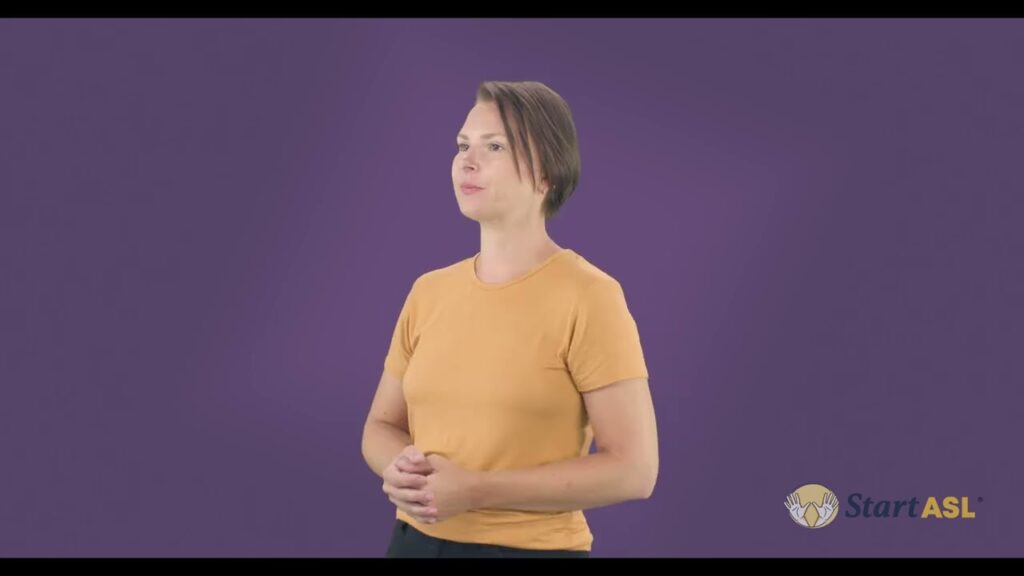
In American Sign Language, the sign for “Psychologist” represents a professional who studies mental processes and behavior. This sign is commonly used in contexts related to mental health, therapy, and counseling. It is important for Deaf individuals to understand and use this sign when discussing psychological services or topics.
[VIDEO_PLACEHOLDER]
Table of Contents
How to form the sign Psychologist
- Handshape: The dominant hand forms the letter “P”. This is done by extending the thumb and the index finger to create a “P” shape while the other fingers are tucked in.
- Location: Position your dominant hand near your forehead, typically at the temple area, which is associated with mental processes.
- Movement: From the forehead position, move your dominant hand slightly outward away from your face. This motion signifies an extension of thought or knowledge.
- Non-manual signals: You may incorporate facial expressions that convey professionalism or seriousness, as this can add emphasis to the sign.
The sign “Psychologist” effectively uses the “P” handshape to indicate the professional’s role, with its location and movement reinforcing the connection to mental processes and behavior. Understanding the nuances of this sign can enhance communication about psychological topics in the Deaf community.
Using Psychologist in sentences
Here are a few examples of how to incorporate “Psychologist” into sentences:
- My friend is studying to become a Psychologist.
- I need to see a Psychologist to talk about my feelings.
- The Psychologist recommended some coping strategies for anxiety.
These sentences demonstrate the versatility of the sign in various contexts, showcasing its relevance in discussions about mental health and professional services.
Signs related to Psychologist
There are several signs that are pertinent to the field of psychology and mental health:
- Therapy: The sign for therapy, often linked with psychologists.
- Counselor: Refers to a professional who provides guidance, often overlapping with the role of a psychologist.
- Mental Health: A broader term that encompasses the field in which psychologists work.
- Anxiety: A common issue that psychologists help address.
Common confusion with a similar sign
Some learners may confuse the sign for “Psychologist” with the sign for “Teacher.” While both signs involve handshapes that are similar, the location and movement differ significantly. The sign for “Teacher” uses the “T” handshape and typically involves a downward movement away from the chin, indicating teaching or instruction. Being aware of these distinctions can help prevent misunderstandings when signing.
FAQ
What is the difference between a psychologist and a psychiatrist?
A psychologist primarily focuses on therapy and counseling, using various psychological approaches, while a psychiatrist can prescribe medication and usually has a medical degree.
Can I use the sign for Psychologist in all contexts?
Yes, the sign can be used in various contexts related to mental health, therapy, and discussions about psychological practices.
Are there regional variations for the sign Psychologist?
The sign for Psychologist may have slight variations depending on the region, but the basic form remains widely understood across different Deaf communities.
How can I practice the sign for Psychologist?
Practicing in front of a mirror can help you refine your handshape and movements. Additionally, using it in conversation with Deaf peers can enhance your confidence.
Practice ASL Signs
Use your camera to practice signs and get real-time AI feedback on your technique.
Free · No signup required