
Counselor in Sign Language (ASL)
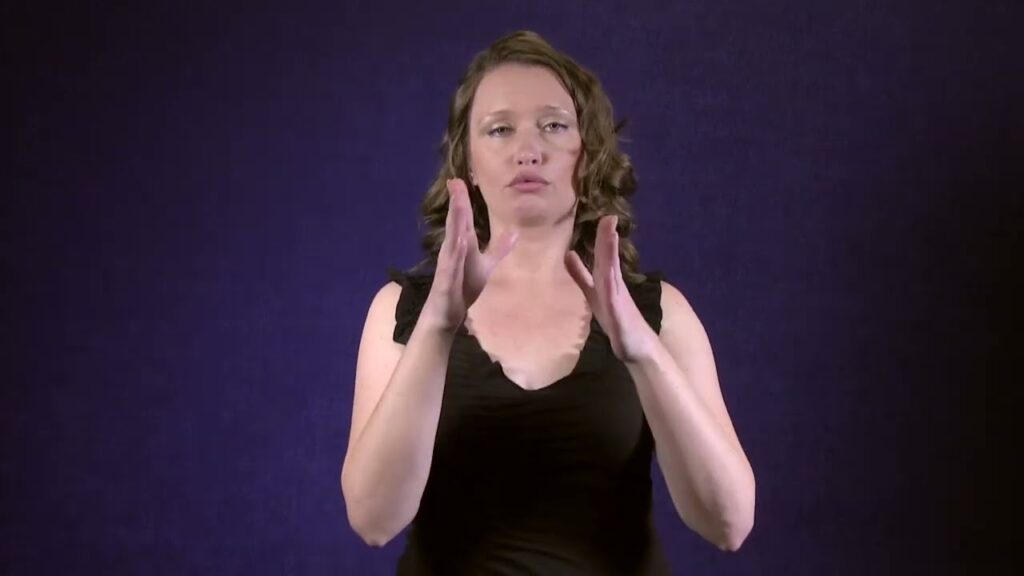
The sign for Counselor represents a person who provides guidance and advice, often in settings such as schools or mental health environments. This sign is particularly useful for Deaf individuals seeking support or understanding in various personal or academic situations.
[VIDEO_PLACEHOLDER]
Table of Contents
How to form the sign “Counselor”
- Handshape: Start with your dominant hand in a “C” shape.
- Location: Position your hand near your chest, typically at the level of your heart.
- Movement: Move your “C” hand slightly forward and then back towards your chest, as if emphasizing the act of providing counsel.
- Non-manual signals: Maintain an attentive facial expression, which can include slight nodding to indicate understanding and engagement.
This sign effectively conveys the role of a Counselor with a clear handshape and deliberate movement, allowing for natural communication. The non-manual signals play a crucial role, enhancing the meaning of the sign and providing context.
Using “Counselor” in sentences
In conversation, “Counselor” can be used to refer to various types of counselors, such as academic or mental health counselors. For example:
- “I am meeting with my academic Counselor tomorrow.” (indicating a school context)
- “The Counselor helped me with my personal issues.” (indicating emotional support)
In both instances, the sign can clarify the context and type of counseling being referred to.
Signs related to “Counselor”
There are several signs that are related to “Counselor” that can enhance communication:
- Therapy – This sign refers to the therapeutic process, often associated with counselors.
- Support – Useful for indicating emotional or practical support from a counselor.
- Advice – A direct relation to the guidance provided by a counselor.
- Education – Often intersects with the role of an academic counselor.
- Mental Health – Relevant in contexts where counselors provide psychological support.
Where this sign comes from
The sign for “Counselor” has its roots in a combination of handshape that symbolizes guidance and the close connection counselors have with their clients. This sign has evolved within the Deaf community, reflecting the cultural importance of communication and support networks.
Common confusion with a similar sign
Some learners may confuse the sign for “Counselor” with the sign for “Teacher.” While both involve guidance, the handshape and movement differ significantly. A teacher’s sign typically involves a “T” handshape and a different placement, emphasizing instruction rather than counseling. Paying attention to these nuances can help clarify the intended meaning in conversations.
FAQ
What is the difference between a Counselor and a Therapist?
A Counselor typically provides guidance on academic or personal issues, while a Therapist focuses more on mental health and emotional support through therapeutic techniques.
Can the sign “Counselor” be used for different types of counselors?
Yes, the same sign can refer to various types of counselors, such as school counselors, mental health counselors, and career counselors, depending on the context.
How can I improve my signing of “Counselor”?
Practice consistently by using the sign in different contexts and incorporating appropriate non-manual signals to convey engagement and understanding.
Is there regional variation in the sign for “Counselor”?
While the sign is generally consistent, some regions may have slight variations in handshape or movement, so it’s beneficial to observe local users.
What should I do if I encounter confusion with the sign?
If you notice confusion, you can clarify by using more descriptive signs related to the specific type of counseling, such as “mental health” or “academic.”
Practice ASL Signs
Use your camera to practice signs and get real-time AI feedback on your technique.
Free · No signup required