
Therapy in Sign Language (ASL)
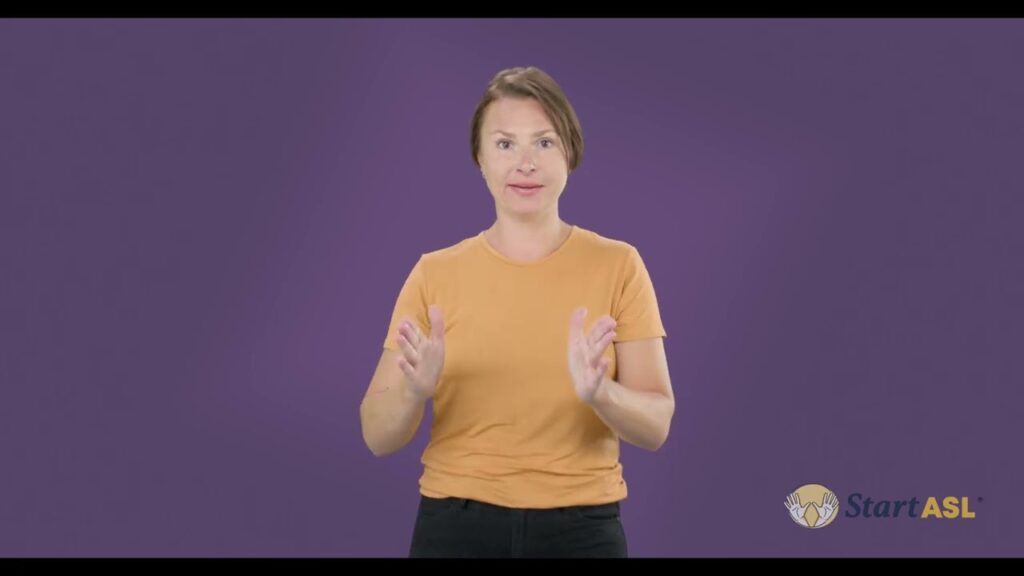
The sign for Therapy represents various therapeutic practices aimed at promoting mental and physical well-being. It’s frequently used in conversations about health and wellness, especially when discussing options for psychological support or physical rehabilitation. This sign can be used in a variety of contexts, from casual chats about therapy sessions to formal discussions in a healthcare setting.
[VIDEO_PLACEHOLDER]
Table of Contents
How to Form the Sign “Therapy”
- Handshape: Use the dominant hand in a “T” shape, which is formed by placing the thumb between the index and middle fingers.
- Location: Position your hand in front of your chest, approximately at the level of your heart.
- Movement: Move your “T” hand in a small circular motion, either clockwise or counterclockwise, to indicate the concept of therapy.
- Non-manual signals: While signing, maintain a neutral facial expression or slightly nod your head to show understanding and engagement.
This sign effectively conveys the idea of therapy by using the “T” handshape to symbolize the concept of treatment or healing. The circular movement emphasizes the ongoing process involved in therapy, whether it be psychological, physical, or emotional support.
Using “Therapy” in Sentences
Here are a few examples of how to incorporate the sign for Therapy into sentences:
- “I have therapy every Tuesday.”
- “She is considering therapy to manage her anxiety.”
- “He found therapy very helpful after his accident.”
In these examples, the sign for Therapy can be easily integrated to express personal experiences or general conversations about therapeutic practices.
Signs Related to “Therapy”
To enhance your understanding and vocabulary, here are some related signs:
- Mental Health – Refers to emotional and psychological well-being.
- Counseling – A more focused therapeutic practice often involving talking therapies.
- Rehabilitation – Typically used in the context of recovering from injuries or illnesses.
- Support – This can refer to both emotional support and practical assistance in various contexts.
Regional Variations of “Therapy”
In different regions, the sign for Therapy may have slight variations in movement or handshape. Some areas may use a more pronounced circular motion, while others might emphasize the placement of the hand closer to the forehead to signify mental therapy specifically. Engaging with local Deaf communities can provide insights into these variations and enrich your signing experience.
Frequently Asked Questions about “Therapy”
What does the sign for Therapy look like?
The sign is made using a “T” handshape, positioned in front of your chest, and moved in a small circular motion.
Can I use the sign for Therapy in different contexts?
Yes, the sign can be adapted for various types of therapy, such as physical, occupational, or psychological therapy.
Is there a different sign for specific types of therapy?
Yes, there are specific signs for different types of therapies, such as counseling or rehabilitation, which can provide more clarity.
How can I improve my signing of “Therapy”?
Practice with fluent signers and watch video resources to observe the nuances in movements and expressions.
Do I need to use facial expressions with the sign “Therapy”?
While facial expressions are not mandatory, they can enhance understanding and convey emotions related to the topic.
Practice ASL Signs
Use your camera to practice signs and get real-time AI feedback on your technique.
Free · No signup required