
Foul in Sign Language (ASL)
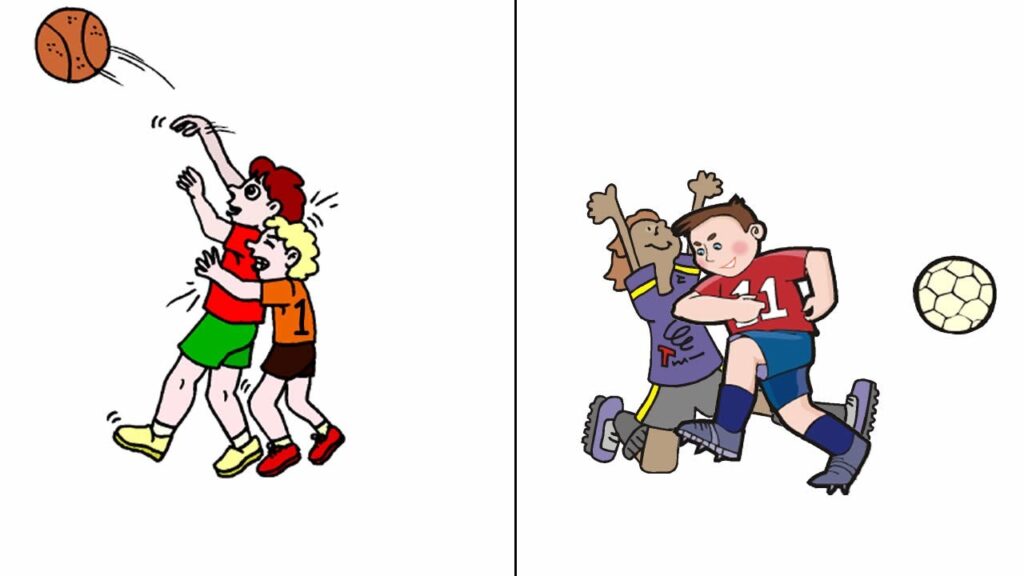
The sign “Foul” is often used in sports contexts to indicate a violation or infringement of rules, such as in basketball or soccer. It can also refer to situations where something is unfair or inappropriate. Understanding how to sign “Foul” can enhance communication in sports discussions and make it easier to clarify game-related situations.
[VIDEO_PLACEHOLDER]
Table of Contents
Forming the sign
- Handshape: Use the dominant hand in a flat “B” handshape.
- Location: Position the hand near the side of your face or chest.
- Movement: Move the hand outward in a quick motion while simultaneously twisting the wrist slightly.
- Non-manual signals: Accompany the sign with a facial expression that conveys frustration or disapproval, as this will add emphasis to the meaning.
The sign “Foul” is made using a flat “B” handshape, which is essential for clarity. The movement and the accompanying facial expressions play a critical role in conveying the emotional context, as these elements help distinguish the sign from other similar signs.
Using “Foul” in sentences
Here are a few examples of how to incorporate “Foul” into sentences:
- “The referee called a Foul during the game.” (Referring to a specific occurrence in a game)
- “That was a Foul play on his part.” (Indicating unfairness in a situation)
- “Can you believe the Foul they just let slide?” (Expressing disbelief about a decision)
These sentences illustrate the versatility of the sign and how it can be adapted to various contexts in both casual and formal discussions.
Signs related to “Foul”
Here are some signs that relate closely to “Foul” and might be useful in similar contexts:
- Penalty – A consequence given for a Foul.
- Fair – The opposite of Foul, indicating justness.
- Blame – Related to situations of unfairness.
- Violation – Another term for breaking rules.
- Offense – Relates to actions that breach rules.
Common confusion with a similar sign
Beginners might confuse “Foul” with the sign for “Fight,” as both employ similar handshapes and movements. However, “Foul” typically has a more controlled outward motion with an emphasis on frustration, whereas “Fight” usually involves more aggressive gestures and can depict motion towards the opponent. To differentiate, focus on the context and your facial expressions.
FAQ
What is the context where “Foul” is used?
“Foul” is predominantly used in sports contexts, such as basketball, soccer, and football, but can also apply in discussions about fairness in various situations.
Can “Foul” have different meanings?
Yes, “Foul” can refer to not just sports violations but also broader concepts of unfairness and impropriety in various contexts.
How can I improve my signing of “Foul”?
Practicing with facial expressions and ensuring your movements are clear can help improve your signing of “Foul” and make your communication more effective.
Is there a regional variation for “Foul” in ASL?
While “Foul” is commonly understood in most ASL communities, some regions might have slight variations in handshape or movement, so it’s beneficial to observe local signers.
What if I’m unsure about using “Foul” in a sentence?
When in doubt, use the sign in contextually appropriate situations, such as discussing specific games or incidents, to help clarify its meaning.
Practice ASL Signs
Use your camera to practice signs and get real-time AI feedback on your technique.
Free · No signup required