
Curse Words in Sign Language (ASL)
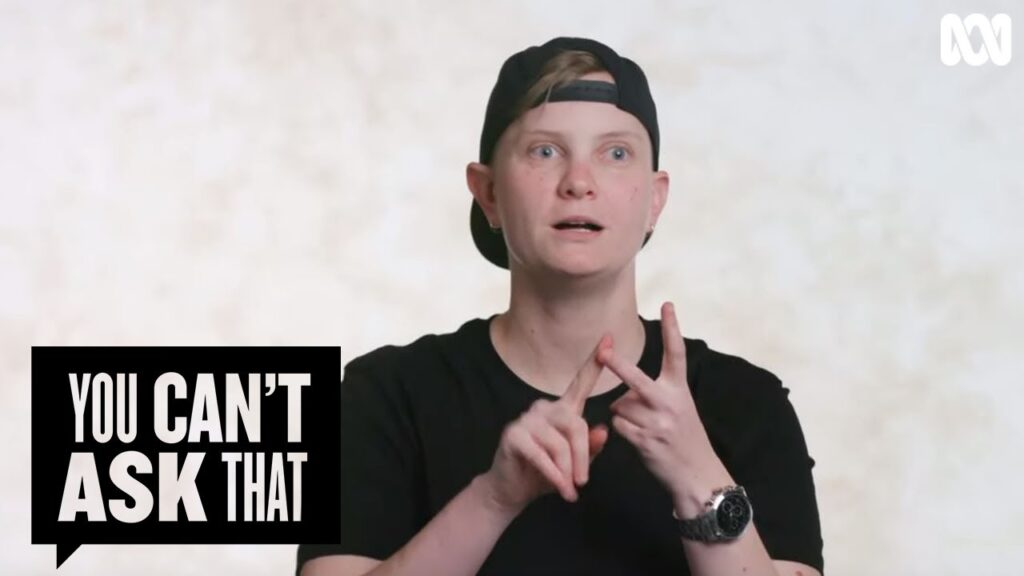
Curse Words refer to profane or vulgar expressions typically used to convey strong emotions such as anger, frustration, or surprise. These signs can be integral to expressing strong feelings in a conversation, and their use varies significantly among different social contexts and cultures. While many Deaf people may use these signs casually among friends, it is essential to be aware of your audience and setting when using them.
[VIDEO_PLACEHOLDER]
Table of Contents
How to Form the Sign “Curse Words”
- Handshape: The sign is formed by using a flat handshape with the dominant hand. The fingers should be extended and together, resembling an open palm.
- Location: The dominant hand is typically positioned in front of the mouth, approximately at chin level, indicating a connection to spoken words.
- Movement: The movement involves a flicking motion from the mouth outward, as if expelling the words. This movement is quick, emphasizing the abruptness of curse words.
- Non-manual signals: Facial expressions are crucial when signing “Curse Words.” An intense or exaggerated facial expression can enhance the emotional weight of the sign, conveying how serious or humorous the curse is.
The combination of the handshape, location, movement, and non-manual signals creates a powerful sign that effectively communicates the intensity associated with curse words.
Using “Curse Words” in Sentences
In casual conversations, you might sign, “I heard him use curse words at the game,” to indicate that someone was swearing in a lively setting. Another example could be, “I wish I could express my frustration without using curse words,” which highlights the speaker’s desire for more appropriate language. The context and delivery of these signs significantly affect the message being conveyed, making it necessary to be mindful of how and when they are used.
Signs Related to “Curse Words”
Explore these related signs that may often accompany or be used in discussions about curse words:
- Anger – A sign expressing strong feelings of displeasure.
- Frustration – A sign that conveys feelings of annoyance or dissatisfaction.
- Funny – Often used in a light-hearted context where curse words might be humorously shared.
- Foul – Indicates something inappropriate or unacceptable, often aligning with the theme of curse words.
- Silly – Sometimes used to downplay the seriousness of curse words in a playful manner.
Cultural Insights on “Curse Words”
Curse words in Deaf culture can carry different connotations compared to their spoken equivalents. They can be viewed both as a source of humor and as expressions of frustration or emotional release. The social acceptance of using curse words varies greatly depending on the community and context, and they can be used in playful banter or serious moments. Understanding the cultural nuances around these signs can help in navigating social situations more effectively and appropriately.
Frequently Asked Questions
Are curse words commonly used in Deaf culture?
Yes, curse words are used in various contexts within Deaf culture, often as a form of emotional expression. However, their acceptability can vary significantly between different groups and settings.
Can curse words be signed more than one way?
While there is a standard sign for curse words, variations exist depending on regional dialects and personal preferences within the Deaf community.
Is it appropriate to use curse words in formal settings?
Generally, it is advised to avoid using curse words in formal or professional settings. Always consider the audience and context before using them.
What are the most common situations to use curse words?
Curse words are often used during informal discussions, in moments of frustration, or when expressing strong emotions in a relaxed environment among friends.
How can I improve my signing of curse words?
Practice with native signers and pay attention to their facial expressions and movements. Engaging in casual conversations will also help you understand the context better.
Practice ASL Signs
Use your camera to practice signs and get real-time AI feedback on your technique.
Free · No signup required