
Cafeteria in Sign Language (ASL)
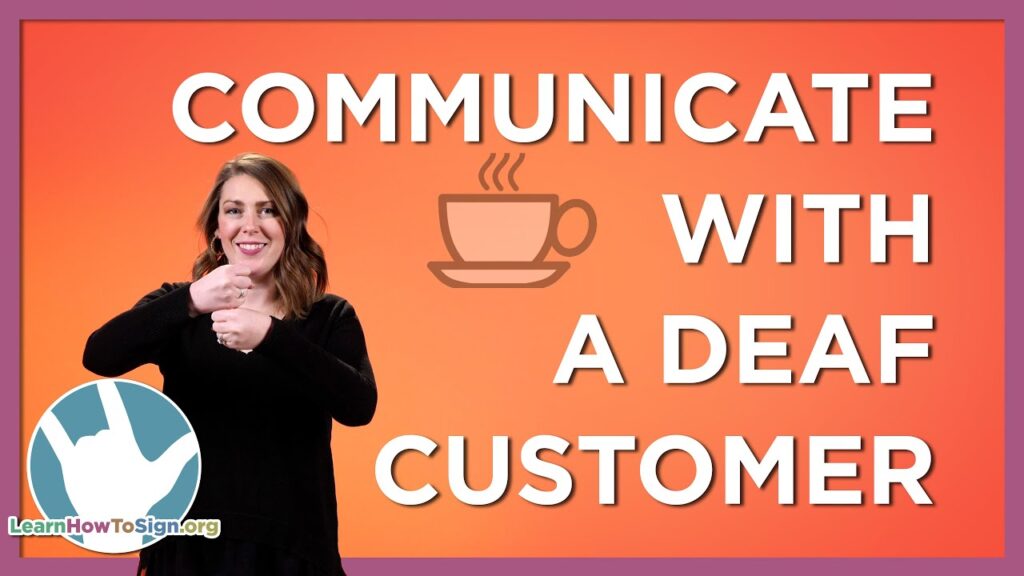
The sign for Cafeteria refers to a place where food is served in a casual setting, commonly found in schools, workplaces, and public institutions. This sign is useful in various contexts, especially when discussing meal arrangements or locations where people can eat. Knowing how to sign Cafeteria can enhance communication in educational and social settings.
[VIDEO_PLACEHOLDER]
Table of Contents
Forming the sign
- Handshape: Use the dominant hand in the ‘C’ shape, with your fingers curved and thumb extended to form the shape of the letter C.
- Location: Position your dominant hand near your mouth or chest area, depending on your personal comfort and the context of the conversation.
- Movement: Move your dominant hand outward in a small arc away from your body, making sure to maintain the ‘C’ handshape throughout the movement.
- Non-manual signals: You can enhance the sign with appropriate facial expressions that reflect a casual tone, such as relaxed eyebrows and a slight smile.
The sign for Cafeteria is relatively straightforward, combining a clear handshape with a simple movement. The ‘C’ shape signifies the concept of a cafeteria, while the outward motion emphasizes the idea of a place where food is served. Remember to include facial expressions that match the context for better clarity.
Using “Cafeteria” in sentences
Here are some examples of how to use Cafeteria in sentences:
- “Let’s meet in the cafeteria for lunch.”
- “The cafeteria serves a variety of meals every day.”
- “I prefer eating in the cafeteria rather than bringing my own lunch.”
In these examples, you can see how Cafeteria can be integrated into everyday conversations, making it an essential sign for both social interactions and academic discussions.
Signs related to “Cafeteria”
- Lunch – Refers to the meal typically eaten at midday.
- Food – A general term for what is eaten.
- Eat – The action of consuming food.
- School – A place where education occurs, often featuring a cafeteria.
Regional variations
Like many signs, Cafeteria may have regional variations. In some areas, signers may use a different handshape or movement to convey the same concept. It’s always beneficial to observe local Deaf culture and adapt your signs accordingly to ensure clear communication. Engaging with local Deaf communities can help you learn these variations and understand their significance.
Frequently Asked Questions
What is the importance of knowing this sign?
Understanding the sign for Cafeteria is crucial for social interactions, especially in educational settings where meals are shared. It facilitates communication about food and dining locations.
Can I use this sign in formal settings?
Yes, while Cafeteria is commonly associated with casual dining, it can also be used in formal discussions about meal arrangements in schools or workplaces.
Are there other signs for different types of dining locations?
Absolutely! Other relevant signs include Restaurant, Diner, and Café, each representing different dining experiences. Learning these can enhance your vocabulary.
What should I do if people don’t understand my sign?
If someone doesn’t understand your sign, try using fingerspelling or clarifying with related signs. You can also describe the cafeteria setting verbally if needed.
Practice ASL Signs
Use your camera to practice signs and get real-time AI feedback on your technique.
Free · No signup required