
Lunch in Sign Language (ASL)
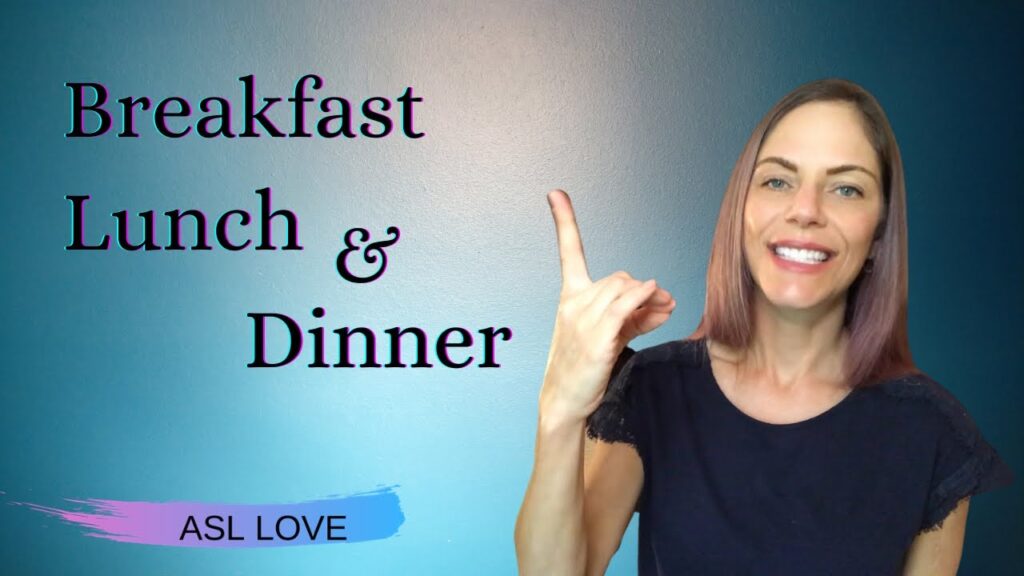
Lunch refers to the midday meal commonly eaten between breakfast and dinner. This sign is frequently used in casual conversations, whether planning meals, discussing schedules, or making lunch plans with friends. Mastering the sign for lunch can enhance communication in social settings, especially during meal-related discussions.
[VIDEO_PLACEHOLDER]
Table of Contents
Forming the sign
- Handshape: Use your dominant hand in the flat ‘B’ handshape, with fingers extended and together.
- Location: Position your hand near the mouth, typically about chin level.
- Movement: Bring your hand towards your mouth in a smooth, natural motion, as if mimicking the action of bringing food to your mouth.
- Non-manual signals: While performing the sign, maintain a relaxed facial expression. You can also add a slight smile to convey the enjoyment associated with lunchtime.
This sign imitates the action of eating, which is why the hand moves toward the mouth. The use of the flat ‘B’ handshape symbolizes holding a plate or food item, reinforcing the concept of meal times. Practicing this sign with the appropriate facial expressions can make your communication more engaging and relatable.
Using “Lunch” in sentences
Here are a few examples of how to use “Lunch” in context:
- “What do you want for Lunch today?”
- “I usually eat Lunch at noon.”
- “Let’s plan to meet for Lunch tomorrow.”
These examples demonstrate different contexts where the sign for lunch can be integrated into conversation. Whether you’re making plans, expressing preferences, or discussing routines, using the sign enhances clarity and connection.
Signs related to “Lunch”
Familiarizing yourself with related signs can enrich your vocabulary and conversation. Here are some useful signs:
- Breakfast – The morning meal, typically eaten after waking up.
- Dinner – The evening meal, usually the largest meal of the day.
- Snack – A small amount of food eaten between meals.
- Food – A general term for edible items.
Common confusion with a similar sign
Many learners confuse the sign for “Lunch” with that of “Eat.” While both involve bringing the hand towards the mouth, “Eat” is typically signed with a dominant index finger or a flat hand mimicking a spoon or fork, while “Lunch” specifically uses the flat ‘B’ handshape and emphasizes the meal aspect. Being aware of these subtle differences can help prevent misunderstandings in conversation.
FAQ
What is the difference between “Lunch” and “Eat”?
“Lunch” refers specifically to the midday meal, while “Eat” is a more general term that can apply to any time food is consumed. The handshapes and movements also differ, as explained above.
Are there regional variations for the sign “Lunch”?
While the sign for “Lunch” is generally consistent across many regions, some local communities may have slight variations in handshape or movement. It’s always good to observe and adapt to the signs used by those around you.
Can I use the sign for “Lunch” to refer to any meal?
No, “Lunch” specifically refers to the midday meal. For other meals, such as breakfast or dinner, different signs should be used to avoid confusion.
How can I practice the sign “Lunch” effectively?
Practice in front of a mirror to ensure your handshape and movements are accurate. Additionally, incorporate the sign into daily conversations about meals with friends or family to reinforce your learning.
Practice ASL Signs
Use your camera to practice signs and get real-time AI feedback on your technique.
Free · No signup required