
Wright-Humason School For The Deaf
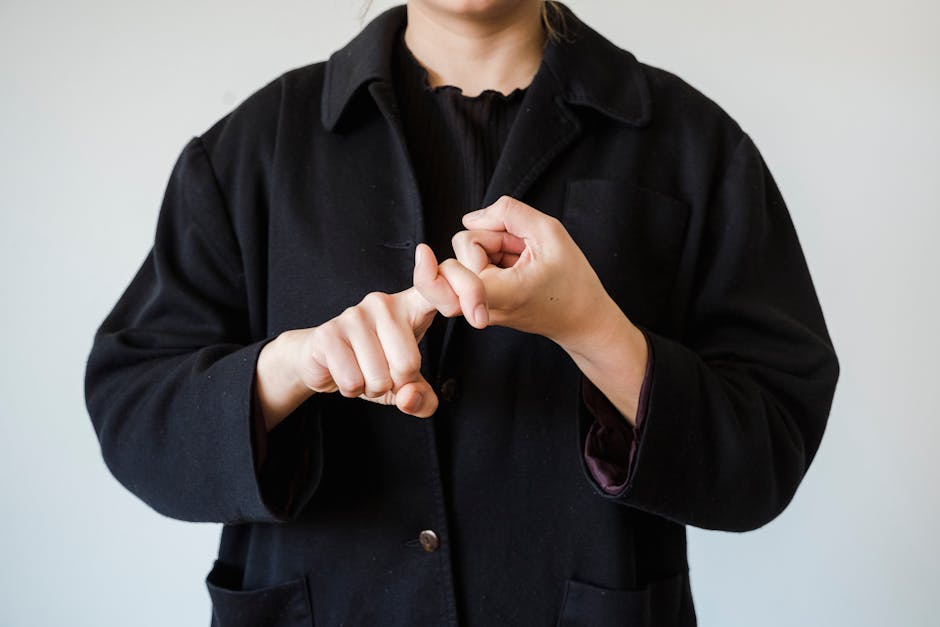
The Wright-Humason School for the Deaf stands as a beacon of education and community for Deaf students and their families. Located in New York City, this prestigious institution is dedicated to fostering an inclusive environment that promotes language development, social skills, and academic achievement.
Table of Contents
History of Wright-Humason School
Established in 1869, the Wright-Humason School has a rich history of serving Deaf and hard-of-hearing students. Originally part of the New York School for the Deaf, it gained independence in the early 20th century. The school’s commitment to bilingual education—using both American Sign Language (ASL) and English—has positioned it as a leader in Deaf education.
Key Historical Milestones
- 1869: Founding year of the school as a part of the New York School for the Deaf.
- Early 1900s: Transition to an independent institution focused on Deaf education.
- Late 20th century: Emphasis on bilingual education and inclusion.
Educational Philosophy
The educational approach at Wright-Humason prioritizes the unique needs of Deaf learners. The school embraces a bilingual-bicultural philosophy, ensuring that students are proficient in both ASL and English. This dual language approach not only supports academic success but also strengthens cultural identity within the Deaf community.
Benefits of Bilingual Education
- Enhanced cognitive skills: Learning two languages develops critical thinking and problem-solving abilities.
- Improved self-esteem: Proficiency in ASL and English fosters a strong sense of identity and belonging.
- Increased academic performance: Bilingual students often outperform their monolingual peers in various subjects.
Programs and Services Offered
Wright-Humason School provides a wide array of programs tailored to meet the diverse needs of its students. From early childhood education to high school, the curriculum is designed to engage students in a supportive and nurturing environment.
Core Programs Include:
- Early Childhood Education: Focused on language acquisition and social development for young Deaf children.
- K-12 Academic Programs: Comprehensive curriculum covering essential subjects with an emphasis on ASL and English fluency.
- Extracurricular Activities: Opportunities in sports, arts, and community service that promote social skills and teamwork.
- Transition Services: Support for high school students as they prepare for college or vocational training.
Community and Parental Involvement
The Wright-Humason School encourages active participation from families and the broader community. Engaging parents in their children’s education is vital for reinforcing learning at home and fostering a collaborative atmosphere.
Ways to Get Involved:
- Attend school events: Participate in open houses, performances, and workshops.
- Join the Parent-Teacher Association (PTA): Collaborate with other parents to support school initiatives.
- Volunteer: Offer your time and skills to enhance school programs and activities.
Resources for Students and Families
Wright-Humason School provides numerous resources to support students and their families. These resources aim to empower families to navigate the educational landscape effectively.
Available Resources:
- Counseling Services: Accessibility to mental health support for students and families.
- Workshops and Seminars: Educational sessions on topics like language development, Deaf culture, and advocacy.
- ASL Classes: Opportunities for family members to learn ASL and communicate more effectively with their Deaf children.
Frequently Asked Questions
What age groups does Wright-Humason School serve?
The school serves students from early childhood through high school, providing a continuum of educational support tailored to Deaf learners.
How does the school support language development?
The Wright-Humason School uses a bilingual-bicultural approach, emphasizing both ASL and English to enhance language skills and overall academic performance.
Are there extracurricular activities available?
Yes, the school offers a variety of extracurricular activities, including sports, arts, and community service opportunities, to promote social engagement and teamwork.
How can parents get involved with the school?
Parents can get involved by attending events, joining the PTA, volunteering, and participating in workshops to support their children’s education.
What resources are available for families?
The school provides counseling services, workshops, and ASL classes for families to empower them in supporting their Deaf children.
Practice ASL Signs
Use your camera to practice signs and get real-time AI feedback on your technique.
Free · No signup required