
Personal Amplifier For Hearing Impaired
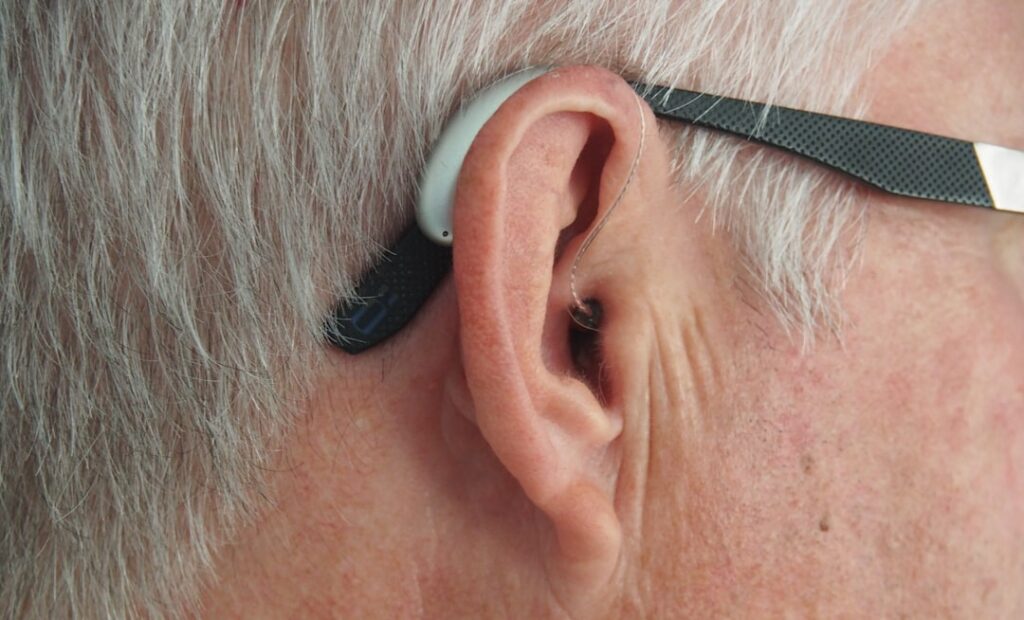
Finding the right tools to enhance communication is essential for those who are hard of hearing. A personal amplifier for the hearing impaired can significantly improve sound clarity and help users engage more fully in conversations and activities. This guide explores the benefits, types, and practical usage tips for personal amplifiers.
Table of Contents
Understanding Personal Amplifiers
A personal amplifier is a compact device designed to amplify sound directly to the user’s ears. These devices can be particularly valuable for individuals who experience mild to moderate hearing loss.
How Personal Amplifiers Work
Personal amplifiers capture sound from the environment, process it, and then deliver it through headphones or earplugs. Here’s how they function:
- The microphone picks up sounds from the surroundings.
- The amplifier increases the volume of these sounds.
- The sound is transmitted through headphones or earplugs directly into the user’s ears.
Benefits of Personal Amplifiers
Using a personal amplifier can enhance daily experiences. Here are some key benefits:
- Improved Communication: Amplifiers enhance speech clarity, making it easier to engage in conversations.
- Portability: Most devices are lightweight and easy to carry, allowing for use in various settings.
- Affordability: Generally more cost-effective than hearing aids, personal amplifiers provide a budget-friendly option for many.
- Adjustable Settings: Many models offer customizable volume settings, ensuring users can find their preferred sound level.
Choosing the Right Personal Amplifier
When selecting a personal amplifier, consider the following factors:
1. Type of Amplifier
There are two primary types:
- Handheld Amplifiers: Portable devices that can be pointed toward the sound source.
- Wearable Amplifiers: These can be worn like a hearing aid and typically have a microphone that captures ambient sounds.
2. Sound Quality
Check reviews and specifications for sound clarity, distortion levels, and feedback reduction features.
3. Battery Life
Look for models that offer long-lasting battery life to avoid frequent replacements.
4. Comfort and Fit
Ensure that the device is comfortable to wear, especially if used for prolonged periods. Consider adjustable ear tips or headphones.
How to Use a Personal Amplifier Effectively
To maximize the benefits of a personal amplifier, follow these tips:
- Placement: Position the microphone toward the sound source to capture optimal audio.
- Adjust Volume: Start with a lower volume and gradually increase to a comfortable level to prevent discomfort.
- Regular Maintenance: Keep the device clean and check for updates or battery replacements as needed.
- Test in Different Environments: Experiment with the amplifier in various settings (like restaurants or quiet rooms) to find what works best.
Personal Amplifiers vs. Hearing Aids
While personal amplifiers and hearing aids serve similar purposes, they cater to different needs:
- Hearing Aids: Customized for an individual’s specific hearing loss profile, often requiring professional fitting and adjustment.
- Personal Amplifiers: More general-purpose and less customized, ideal for temporary or situational use.
Frequently Asked Questions
What is the average cost of a personal amplifier?
The cost can range from $20 to $300, depending on the features and brand.
Can I use a personal amplifier with hearing aids?
Yes, some users find that personal amplifiers can complement their hearing aids, especially in noisy environments.
Where can I buy personal amplifiers?
They are available in electronic stores, pharmacies, and online retailers. Research brands and read reviews before purchasing.
Are personal amplifiers suitable for children?
Yes, there are models designed specifically for children, but it’s crucial to consult with an audiologist for proper guidance.
How do I know if a personal amplifier is right for me?
Consider your level of hearing loss, specific needs, and whether you want a temporary or long-term solution. Consulting a hearing specialist can provide clarity.
Practice ASL Signs
Use your camera to practice signs and get real-time AI feedback on your technique.
Free · No signup required