
Hard of Hearing in Sign Language (ASL)
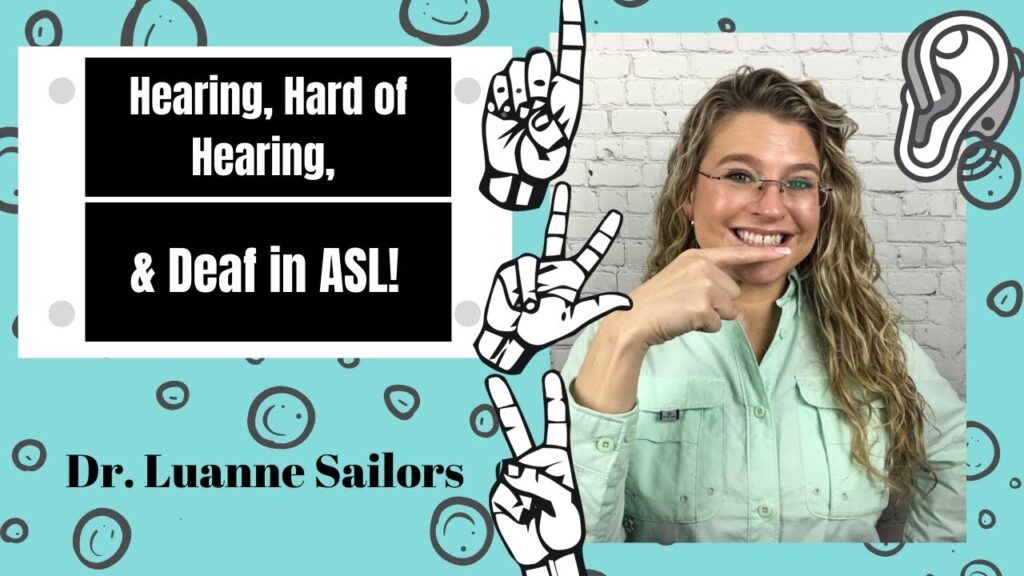
The sign “Hard of Hearing” is used to describe individuals who have some difficulty hearing but are not completely deaf. This term is important in the Deaf and hard of hearing communities as it acknowledges a range of hearing abilities and emphasizes the diverse experiences of those who are hard of hearing. This sign can be useful in various contexts, including introductions, discussions about accessibility, and when addressing personal experiences regarding hearing.
[VIDEO_PLACEHOLDER]
Table of Contents
How to Form the Sign “Hard of Hearing”
- Handshape: Use the dominant hand in the “H” handshape, which is formed by extending the index and middle fingers while keeping them together and lowering the other fingers.
- Location: The sign is made near the side of the head, typically at ear level, indicating a connection to hearing.
- Movement: Start with the “H” handshape near your ear and then move the hand slightly away from the head. This outward movement symbolizes the transition away from complete hearing ability.
- Non-manual signals: While signing, it can be helpful to use facial expressions that convey understanding or empathy. A slight furrow of the brow can indicate the seriousness of the condition.
The “Hard of Hearing” sign combines visual elements that represent both hearing capability and the challenges associated with it. The movement and location help convey the concept effectively, making it an important part of Deaf communication.
Using “Hard of Hearing” in Sentences
Here are a few examples of how you can incorporate “Hard of Hearing” into everyday conversations:
- Many people who are hard of hearing benefit from using hearing aids or other assistive devices.
- At the meeting, I noticed that the presenter used captions for those who are hard of hearing.
- My friend identifies as hard of hearing, and she often shares resources to help others understand her experience.
These examples highlight the importance of recognizing and accommodating individuals who are hard of hearing in various social and professional settings.
Signs Related to “Hard of Hearing”
For a broader understanding of Deaf communication, you might find these related signs useful:
- Deaf – Refers to individuals who have severe hearing loss or are completely deaf.
- Hearing – Pertains to individuals with typical hearing ability and is often used in contrast to deafness.
- Hearing Aid – A device that amplifies sound for individuals who are hard of hearing.
- Accessibility – Refers to the design of products, devices, services, or environments for people with disabilities.
- Communication – The process of sharing information, which is vital for both Deaf and hearing individuals.
Understanding the Origins of “Hard of Hearing”
The term “hard of hearing” has emerged from the ongoing dialogue within the Deaf community and the medical field. It is a more inclusive term that respects individual preferences and recognizes the varying degrees of hearing loss. This designation aims to foster understanding and create a shared space for both Deaf and hard of hearing individuals, promoting awareness of the different needs in communication and social engagement.
Frequently Asked Questions
What does “Hard of Hearing” mean?
“Hard of Hearing” refers to individuals who experience some degree of hearing loss but are not completely deaf. They may use hearing aids or rely on other forms of communication.
How is the sign for “Hard of Hearing” different from “Deaf”?
The sign for “Hard of Hearing” is distinct in its movement and handshape, indicating a difference in hearing capability compared to the sign for “Deaf,” which signifies complete hearing loss.
When should I use the term “Hard of Hearing”?
Use “Hard of Hearing” when discussing individuals who have partial hearing loss. It is a respectful way to acknowledge their experience without assuming complete deafness.
Can “Hard of Hearing” be used in formal settings?
Yes, “Hard of Hearing” is an appropriate and respectful term in both formal and informal settings. It is important to use inclusive language that recognizes different hearing abilities.
Practice ASL Signs
Use your camera to practice signs and get real-time AI feedback on your technique.
Free · No signup required