
Rangiora in New Zealand Sign Language (NZSL)
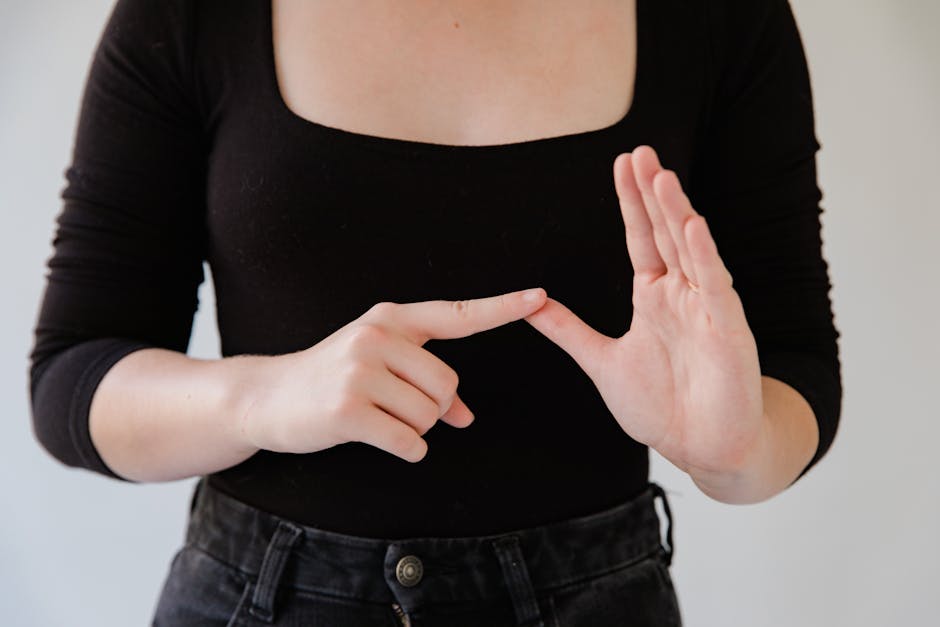
The sign “rangiorarangioranoun” in NZSL refers to the concept of a “child” or “young person.” It’s commonly used in everyday conversations within the Deaf community, especially when discussing family, education, or social contexts involving youth. This sign embodies the connection between generations and the nurturing role often associated with children.
Table of Contents
How to Sign “Rangiorarangioranoun” in NZSL
- Start with your dominant hand open and fingers extended, palm facing forward.
- Place your hand near your chin, with the fingertips pointing upwards.
- Move your hand downwards in a gentle arc while closing your fingers into a fist.
- Finish the motion with your fist resting near your chest.
- While signing, maintain a friendly facial expression to reflect the warmth associated with the concept of a child.
Common Mistakes
- Forgetting to use a relaxed hand shape, which can make the sign look too stiff.
- Not incorporating facial expressions, which are essential in conveying the sign’s meaning.
- Incorrectly placing the hand too far away from the chin, which can lead to confusion with other signs.
NZSL vs ASL
In NZSL, the sign for “child” or “young person” is visually distinct from its ASL counterpart. While ASL uses a different handshape and location for the sign, NZSL’s version emphasizes the nurturing aspect by incorporating facial expressions and a fluid movement that reflects care and affection.
Related Signs
- (All Of) You – Used to address a group of people collectively.
- (Baby’s) Dummy – Refers to a pacifier used for infants.
- (Be) Born, (Give) Birth – Related to the concept of bringing a child into the world.
Using “Rangiorarangioranoun” in Everyday Conversations
The sign “Rangiorarangioranoun” can be integrated into everyday conversations, particularly when discussing topics related to the natural environment or local culture. Here are a few example sentences:
- “I visited Rangiorarangioranoun last weekend.” This sentence might come up when sharing weekend plans with friends.
- “Do you know about the history of Rangiorarangioranoun?” This could be used in a discussion about local history or cultural landmarks.
- “Rangiorarangioranoun has beautiful parks and walking tracks.” This would be relevant while recommending places to explore in the area.
Using “Rangiorarangioranoun” in these contexts helps to reinforce its meaning and allows for richer conversations about the community and environment.
Cultural Notes
“Rangiorarangioranoun” holds cultural significance within the New Zealand Deaf community, as it reflects a connection to local geography and heritage. NZSL was officially recognized as a language in 2006, highlighting the importance of linguistic identity for Deaf individuals in New Zealand.
Moreover, te reo Māori influences many signs in NZSL, including geographical names and cultural references. This intertwining of languages emphasizes the respect for Māori culture and the shared history of New Zealand’s people. Additionally, there may be regional variations in the way “Rangiorarangioranoun” is signed, reflecting local dialects and community preferences among Deaf signers.
Tips for Learning This Sign
To effectively learn and remember the sign “Rangiorarangioranoun,” consider these practical tips:
- Mirror Practice: Stand in front of a mirror while practicing the sign to ensure you’re replicating the movements accurately.
- Facial Expressions: Pay attention to your facial expressions, as they convey emotions and context in NZSL. Practice integrating appropriate expressions while signing.
- Use in Sentences: Incorporate “Rangiorarangioranoun” into short signed sentences during conversations with friends or in practice sessions. This will help reinforce your understanding and usage of the sign.
Consistent practice and engagement with the Deaf community will help you become more confident and fluent in using this sign.
Frequently Asked Questions
How can I use “rangiorarangioranoun” in a sentence?
You can use this sign in sentences like “The rangiorarangioranoun is playing outside,” using your dominant hand to indicate the child in context.
Are there regional variations of this sign in New Zealand?
While the sign is generally consistent across New Zealand, some regions may have slight variations in hand movement or facial expressions based on local Deaf culture.
What are some similar signs to “rangiorarangioranoun”?
Similar signs include “baby” and “teenager,” which also relate to different age groups in youth development.
What tips can help me learn this sign better?
Practice in front of a mirror to ensure your handshape and facial expressions are correct, and try to watch native signers for guidance.
Practice This Sign
Try signing Rangiorarangioranoun with your camera and get AI coaching on your handshape, movement, and location.
Free · No signup required