
Radio Stereo in New Zealand Sign Language (NZSL)
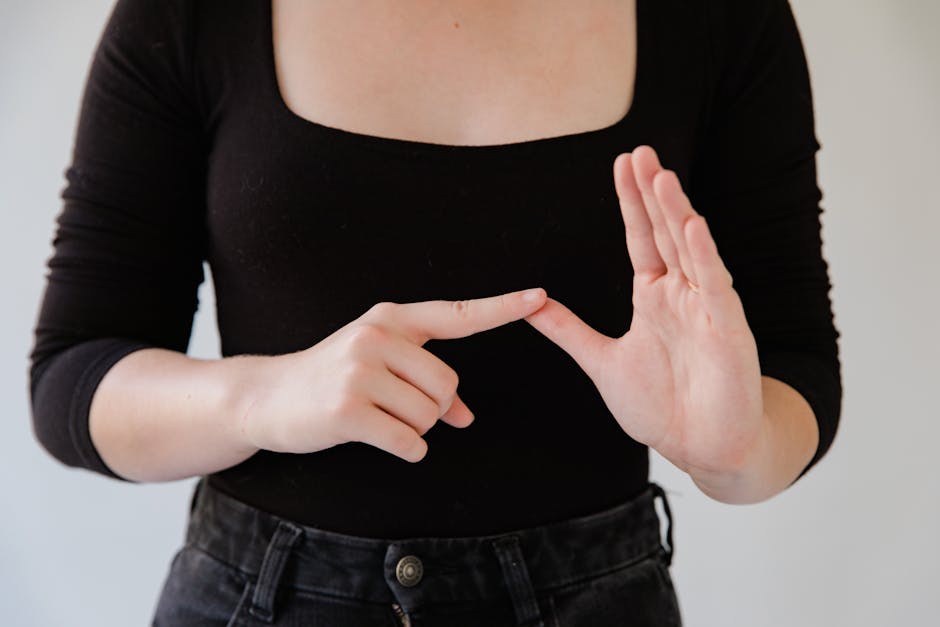
The sign “radiostereoreo iriranginoun” refers to the concept of stereophonic sound or radio stereo, commonly used in discussions about music, audio equipment, or sound systems within the NZ Deaf community. This sign is especially relevant in contexts where people are sharing their love for music or discussing technology.
Table of Contents
How to Sign “Radiostereoreo Iriranginoun” in NZSL
- Start with both hands open and palm facing down, positioned at shoulder height.
- Bring your hands together, moving them slightly forward and towards each other, as if mimicking the idea of sound waves converging.
- As your hands meet, form a flat handshape (like a ‘B’ handshape) while maintaining a slight upward angle, representing the stereo speaker setup.
- Gently shake your hands side to side to indicate sound movement and stereo effect.
- Maintain a relaxed facial expression, showing enthusiasm or excitement about the topic of sound.
Common Mistakes
- Forgetting to use facial expressions, which are crucial for conveying emotion and context in NZSL.
- Using a single flat hand instead of both hands, which can make the sign less clear.
- Not shaking the hands enough, leading to a misunderstanding of the sign’s meaning related to sound dynamics.
NZSL vs ASL
In NZSL, “radiostereoreo iriranginoun” incorporates unique hand movements and facial expressions that are culturally significant and specific to the New Zealand context. In contrast, ASL has a different sign for stereo that may not reflect the same nuances, emphasizing the importance of understanding regional differences in signs.
Related Signs
- (All Of) You – A sign to refer to a group of people collectively.
- (Baby’s) Dummy – Used to refer to a pacifier for infants.
- (Be) Careful – A sign to indicate caution.
Frequently Asked Questions
How can I use “radiostereoreo iriranginoun” in a sentence?
You can say, “I love listening to music on my radiostereoreo iriranginoun.” Remember to use facial expressions to convey your enthusiasm!
Are there regional variations for this sign in New Zealand?
While the sign is generally understood across New Zealand, some regions may have slight variations in hand movements or expressions. It’s always good to observe local usage.
What are some similar signs in NZSL?
Similar signs include “music,” “speaker,” and “sound,” which all relate to audio and sound systems.
What tips do you have for learning this sign?
Practice in front of a mirror to refine your hand shapes and facial expressions. Watching native signers can also help you pick up subtle nuances.
Can I use this sign in formal settings?
Yes, “radiostereoreo iriranginoun” can be used in both casual and formal settings when discussing audio equipment or music.
What cultural significance does this sign hold?
This sign reflects the importance of music and sound in the Deaf community, celebrating diverse audio experiences and technologies.
Practice This Sign
Try signing Radiostereoreo Iriranginoun with your camera and get AI coaching on your handshape, movement, and location.
Free · No signup required