
Question, Question Mark in New Zealand Sign Language (NZSL)
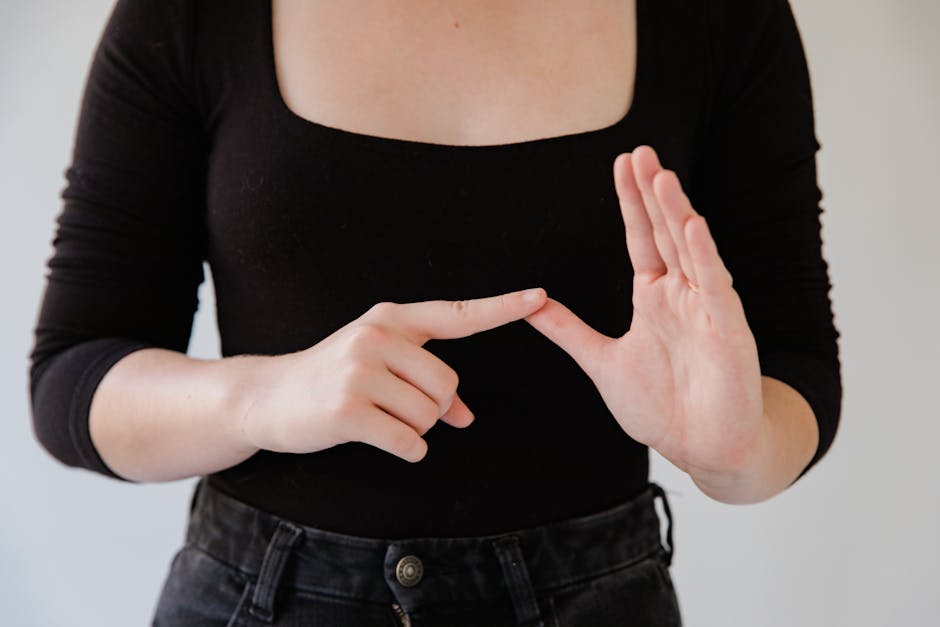
The sign for “question,” or “pātai” in NZSL, is an essential part of communication within the Deaf community. It is used when asking for information or clarification and can also indicate a query in written form, such as a question mark. This sign reflects the unique linguistic characteristics of New Zealand Sign Language, which became an official language in 2006.
Table of Contents
How to Sign “Question, Question Markclue, Querypātai, Tohu PāTainoun” in NZSL
- Start with your dominant hand open, fingers together, and palm facing towards your body.
- Position your hand near your chin or cheek, with your fingertips slightly touching your face.
- Move your hand away from your face in a small arc, while slightly raising your eyebrows to indicate that you are asking a question.
- Finish the movement with a slight flick of your wrist to emphasize the questioning nature.
Common Mistakes
- Forgetting to raise eyebrows, which is crucial in NZSL to indicate a question.
- Using a flat hand instead of an open hand, which can change the meaning of the sign.
- Rushing the movement, leading to a less clear sign that may confuse the message.
NZSL vs ASL
In NZSL, the sign for “question” is performed with a distinct hand movement and facial expression, while in ASL, the sign is made by using the dominant hand in a different shape and position. The emphasis on facial expressions is more pronounced in NZSL, reflecting the importance of visual cues in New Zealand Deaf culture.
Related Signs
- Ask – Used when requesting information.
- Answer – The response given to a question.
- What – A common question word to seek clarification.
- Why – Used to inquire about reasons.
- How – To ask about the manner or method.
Frequently Asked Questions
Can I use this sign in a sentence?
Yes, you can use it to ask questions in various contexts, such as “What is your name?” or “Where are you going?”
Are there regional variations in the sign?
While the core sign remains consistent, some regions may have slight variations in movement or facial expressions.
What other signs are similar?
Signs like “ask” and “answer” are closely related and often used in the context of questioning.
How can I practice this sign?
Practice with friends in the Deaf community or use video resources to improve your signing skills.
Is it okay to use facial expressions?
Absolutely! Facial expressions are crucial in NZSL for conveying tone and intent, especially in questions.
What’s the importance of this sign in everyday conversations?
This sign helps facilitate communication and plays a vital role in engaging with others in the Deaf community.
Practice This Sign
Try signing Question, Question Markclue, QuerypāTai, Tohu PāTainoun with your camera and get AI coaching on your handshape, movement, and location.
Free · No signup required