
Plaster Cast in New Zealand Sign Language (NZSL)

The sign for “plaster cast” in NZSL refers to the protective covering often used for broken bones. This sign is commonly used in medical contexts, particularly when discussing injuries or treatments within the Deaf community. Understanding this sign can be helpful for conversations around health and wellness.
Table of Contents
How to Sign “Plaster Cast” in NZSL
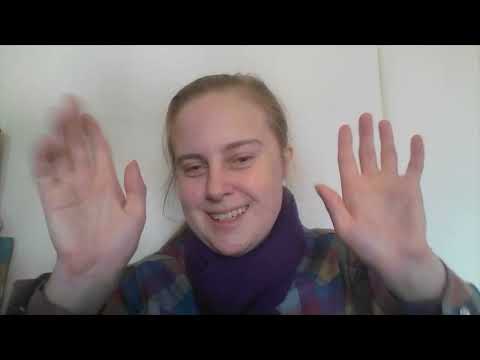
- Start with your dominant hand in a flat, open handshape (the ‘5’ handshape).
- Position your hand near your forearm, with your palm facing down.
- Gently move your hand downwards and away from your body, mimicking the action of wrapping or applying a cast.
- As you make this movement, maintain a focused facial expression that conveys the seriousness of a medical context.
Common Mistakes
- Using a fist instead of an open hand, which can lead to confusion with other signs.
- Not maintaining a clear downward movement, making the sign appear unclear or incomplete.
- Failing to use appropriate facial expressions, which are crucial in NZSL for conveying the correct meaning.
NZSL vs ASL
In NZSL, the sign for “plaster cast” is distinct from ASL. While ASL may use a different handshape and movement, the NZSL version specifically incorporates the action of wrapping, which is culturally relevant to how casts are applied in New Zealand. This highlights the unique nature of NZSL, influenced by local practices and the Deaf community.
Related Signs
- (All Of) You – A common pronoun sign used in various contexts.
- (Baby’s) Dummy – Refers to a pacifier, often used in discussions about infants.
- (Be) Careful – A sign conveying caution, useful in many situations.
Frequently Asked Questions
How can I use “plaster cast” in a sentence?
You can say “I have a plaster cast on my arm” by signing “I have” followed by the “plaster cast” sign and pointing to your arm.
Are there any regional variations for this sign in New Zealand?
While the sign is generally consistent, some regions may have slight variations in movement or facial expression based on local Deaf community practices.
What are some similar signs to “plaster cast”?
Signs for “bandage” or “injury” may be similar, focusing on medical contexts and healing.
What tips can help me learn this sign effectively?
Practice in front of a mirror to ensure your handshape and movements are clear, and consider watching videos for visual guidance.
Can I use this sign in casual conversations?
While it’s primarily used in medical contexts, you can use it in casual discussions about injuries or sports as well.
Is “plaster cast” a common sign among adults and children?
Yes, it’s recognized and used by both adults and children, particularly in contexts related to sports or play injuries.
Practice This Sign
Try signing Plaster Cast with your camera and get AI coaching on your handshape, movement, and location.
Free · No signup required