
Our (pronoun, 3) in New Zealand Sign Language (NZSL)
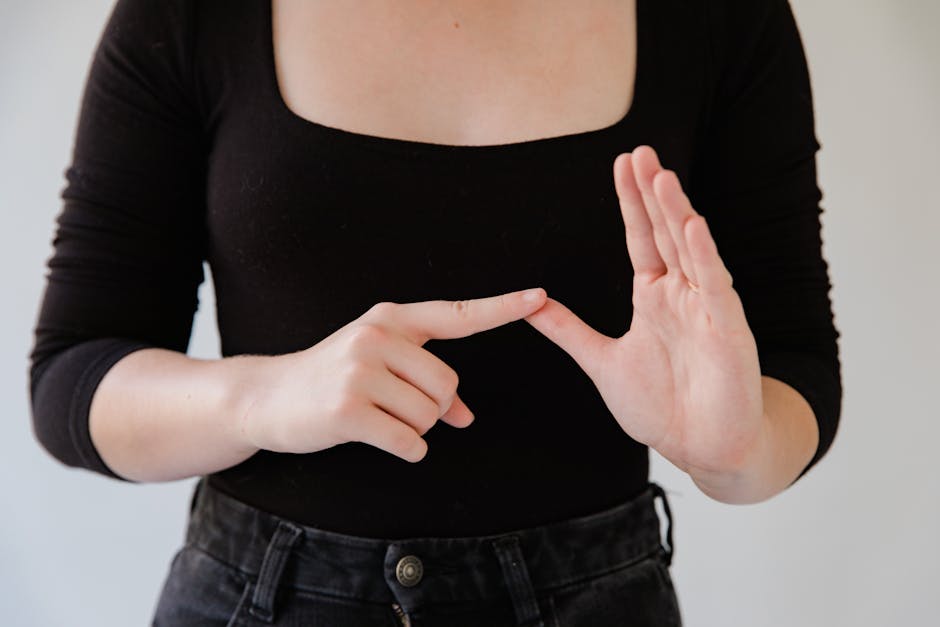
The sign “ourourselvestā mātou, tā māu” is used in NZSL to express the concept of “ourselves” or “we” in a collective sense. It is commonly used in conversations when referring to a group that includes the signer, emphasizing community and togetherness, which is an essential aspect of Deaf culture in New Zealand.
Table of Contents
How to Sign “Ourourselvestā MāTou, Tā MāUapronoun” in NZSL
- Start with both hands in front of you, palms facing each other.
- Use the fingers of both hands to create a “C” shape.
- Move your hands outward and slightly apart, while maintaining the “C” shape, as if you are embracing the space around you.
- As you move your hands, ensure your facial expression reflects inclusiveness and warmth.
- Finish the sign by bringing your hands back together in front of your chest, reinforcing the connection to “ourselves.”
Common Mistakes
- Forgetting to use facial expressions, which are crucial for conveying the meaning in NZSL.
- Not maintaining the “C” handshape throughout the sign, leading to confusion.
- Incorrectly positioning the hands too far apart or too close, which can alter the intended meaning.
NZSL vs ASL
In NZSL, the sign for “ourourselvestā mātou, tā māu” emphasizes the collective aspect with a unique handshape and movement, while in ASL, the sign may differ in handshape and motion, often using a single hand to convey a similar meaning. Understanding these differences highlights the distinct nature of NZSL and its cultural context.
Related Signs
- (All Of) You – A sign used to refer to a group of people directly.
- (All Of) Youyou Allkoutou (Katoa)Pronoun – Another way to refer to a collective group in a friendly manner.
- (Baby’S) Dummy – A term used for a child’s pacifier, showcasing how signs can vary widely.
- (Be) Careful – A sign that emphasizes caution, relevant in various contexts.
Frequently Asked Questions
How can I use “ourourselvestā mātou, tā māu” in a sentence?
You might say, “Ourourselves we will go to the event,” which emphasizes the collective decision.
Are there regional variations for this sign in New Zealand?
While the sign is generally consistent, some regions may have slight variations in movement or handshape.
What similar signs should I learn?
Consider learning signs like (All Of) You and (All Of) Youyou Allkoutou (Katoa)Pronoun for more expressions of inclusion.
What tips do you have for learning this sign?
Practice in front of a mirror to check your handshape and facial expressions. Joining a Deaf community event can also help improve your skills.
Is this sign used in formal contexts?
Yes, it can be used in both formal and informal settings, particularly when emphasizing group identity.
Can I use this sign for just myself?
No, this sign specifically refers to a group, including the signer, rather than an individual.
Practice This Sign
Try signing Ourourselvestā MāTou, Tā MāUapronoun with your camera and get AI coaching on your handshape, movement, and location.
Free · No signup required