
On the Left in New Zealand Sign Language (NZSL)
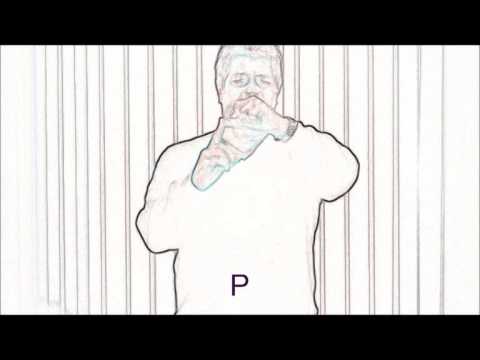
The sign for “on the left” is commonly used in the New Zealand Deaf community to indicate direction or location. It helps in providing clear instructions or descriptions, especially when discussing spaces or positioning of objects or people. This sign is particularly useful in everyday conversations, navigation, and storytelling.
Table of Contents
How to Sign “On The Left” in NZSL
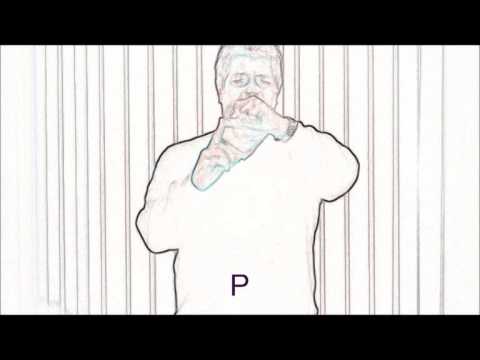
- Start by raising your dominant hand with fingers extended and held together, forming a flat ‘B’ handshape.
- Position your hand in front of your body, approximately at shoulder height.
- From this position, move your hand slightly to the left side of your body, maintaining the ‘B’ handshape.
- As you sign, keep your facial expression neutral or slightly inquisitive to show you are giving directional information.
Common Mistakes
- Some learners may forget to maintain the flat handshape, which can lead to confusion with other signs.
- Moving the hand too far left or not enough can distort the intended meaning.
- Not using appropriate facial expressions can make the sign less clear or engaging.
NZSL vs ASL
In NZSL, the sign for “on the left” involves a flat handshape and a specific movement to the left. In contrast, American Sign Language (ASL) uses a different handshape and motion, which may include a more pronounced gesture. This highlights the unique features of NZSL, influenced by British Sign Language (BSL) and local Māori signs.
Related Signs
- (All Of) You – Used to refer to a group of people.
- (Baby’s) Dummy – Refers to a pacifier used by babies.
- (Be) Careful – A sign to warn someone to take care.
- (Be) Born, (Give) Birth – Relates to the act of childbirth.
- (Be) Passive – Indicates a state of being passive.
Frequently Asked Questions
Can you use “on the left” in a sentence?
Yes, you can say, “The book is on the left,” using the sign to indicate direction.
Are there regional variations for this sign in New Zealand?
The sign is generally consistent across New Zealand, though some regional dialects may have slight variations in movement.
What are some similar signs to “on the left”?
Signs like “on the right” and “in front” can be related as they also indicate position.
How can I practice this sign effectively?
Practice in front of a mirror or with a Deaf friend to ensure your handshape and movement are accurate.
Is this sign used in formal settings?
Yes, “on the left” is used in both informal and formal contexts, such as presentations or meetings.
Can I use “on the left” for abstract concepts?
This sign is typically used for physical directions rather than abstract concepts, but context may allow flexibility.
Practice This Sign
Try signing On The Left with your camera and get AI coaching on your handshape, movement, and location.
Free · No signup required