
Machine in Australian Sign Language (Auslan)

The sign for “machine” in Auslan refers to any mechanical device or apparatus, and it is often used in conversations about technology, manufacturing, and everyday tools. This sign is useful in various contexts, such as discussing machinery in a factory, using household appliances, or referencing technology in general.
Table of Contents
How to Sign “Machine”
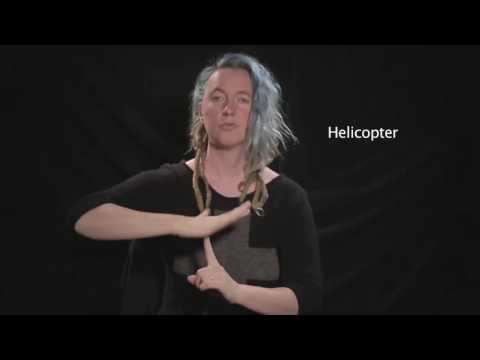
- Start with your dominant hand in a flat “B” handshape, with fingers extended and together.
- Position your hand in front of your chest at about waist level.
- Move your hand forward and slightly upward in a smooth motion, as if you are pushing or activating a machine.
- Maintain a neutral facial expression, but feel free to add emphasis with your eyebrows to convey the importance of the machine in your conversation.
Common Mistakes
- Forgetting to use the correct handshape; some learners may try to use a closed fist instead of the flat “B” handshape.
- Not moving the hand forward and upward, which can lead to a flat or unclear sign.
- Neglecting facial expressions, which are an important part of conveying meaning in Auslan.
Related Signs
- 1 – The sign for the number one.
- 100 – The sign for one hundred, useful in discussing quantities related to machines.
- 10 – The sign for ten, often used in counting machines or parts.
- 12 – The sign for twelve, relevant in contexts such as machinery with multiple components.
- 15 – The sign for fifteen, useful in various numerical contexts.
Using “Machine” in Everyday Conversations
The sign for “Machine” can be seamlessly integrated into various everyday conversations. Here are a few example sentences where this sign comes into play:
- Example 1: “I fixed my machine yesterday. It was broken for weeks!”
- Example 2: “Can you show me how to use the machine at the gym?”
- Example 3: “That machine makes great coffee!”
These sentences demonstrate how the sign comes up naturally in contexts like discussing repairs, learning to use equipment, or sharing opinions about technology. Engaging in conversations about everyday tasks or hobbies is a great way to practice using this sign.
Cultural Notes
In the Australian Deaf community, the concept of “machine” extends beyond mere equipment; it often reflects a relationship with technology that is integral to daily life. Many Deaf individuals rely on various machines—like hearing aids, cochlear implants, and assistive listening devices—to navigate the world. The sign itself is widely understood and frequently used across the community.
While there may be subtle variations in the sign among different regions, such as northern and southern dialects, the core meaning remains consistent. For instance, some communities may emphasize different aspects of the sign’s movement or facial expression, reflecting the diversity within Auslan.
Tips for Learning This Sign
Practicing the sign for “Machine” effectively can enhance your Auslan skills. Here are some concrete tips to help you remember and use it confidently:
- Mirror Practice: Stand in front of a mirror and practice the sign. This helps you see your own movements and ensure they match the correct form.
- Watch for Non-Manual Features: Pay attention to facial expressions and body language associated with the sign. These elements can enhance understanding and convey additional meaning.
- Use it in Short Signed Sentences: Create simple sentences using “machine” in various contexts, such as discussing hobbies or daily activities. Regularly incorporating it into your conversations will reinforce your memory.
By actively using these techniques, you’ll become more comfortable and proficient in signing “machine” in Auslan.
Frequently Asked Questions
How can I use “machine” in a sentence?
You can say, “I need to fix the washing machine” by signing “I need fix machine” in Auslan.
Are there regional variations for this sign?
Yes, some regions may have slight variations in handshape or movement, but the general concept remains consistent.
What are some signs similar to “machine”?
Signs for “device,” “tool,” or “equipment” may be similar in handshape or movement.
How does this sign compare to BSL?
In BSL, the sign for “machine” is different; it may involve distinct handshapes and movements that reflect local usage.
What are some teaching tips for this sign?
Practice the sign in context, using various machine-related examples to reinforce understanding and usage.
Can “machine” refer to different types of machines?
Absolutely! “Machine” is a general term and can refer to anything from computers to industrial machines.
Practice This Sign
Try signing Machine In Auslan with your camera and get AI coaching on your handshape, movement, and location.
Free · No signup required