
Law (adjective) in New Zealand Sign Language (NZSL)
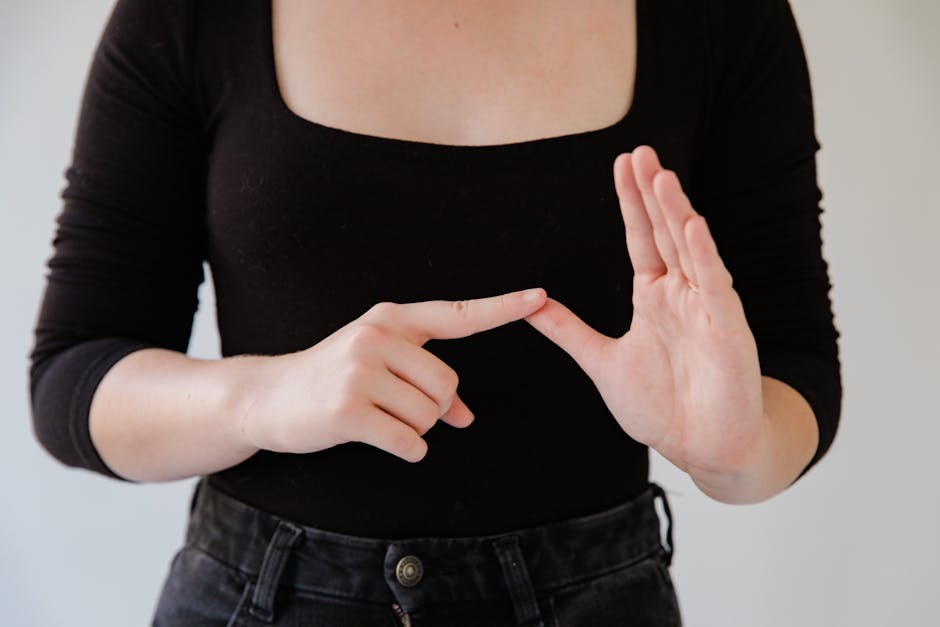
The sign for “lawlegaltureadjective; noun” is commonly used in discussions related to legal matters, rights, and regulations within the New Zealand Deaf community. This sign encompasses both the concept of law and its application, making it essential for conversations surrounding legal issues and rights in New Zealand.
Table of Contents
How to Sign “Lawlegaltureadjective; Noun” in NZSL
- Start with your dominant hand in a ‘C’ shape, representing the idea of law.
- Position your hand near your forehead, palm facing down.
- Move your hand forward while maintaining the ‘C’ shape, as if you are presenting the concept of law.
- Facial expression should be neutral but assertive, showing the seriousness of the topic.
Common Mistakes
- A common mistake is using the wrong handshape; ensure you use a ‘C’ shape to represent law accurately.
- Some learners may forget to maintain a confident facial expression, which is important for conveying the weight of legal discussions.
- Not positioning the hand at the correct starting point near the forehead can lead to confusion with other signs.
NZSL vs ASL
In NZSL, the sign for “law” incorporates a unique handshape and movement that may differ significantly from ASL. While ASL uses a different sign that might include a flat hand or different positioning, NZSL emphasizes the concept through the ‘C’ handshape and specific movement to convey the legal context.
Related Signs
- Law – The basic concept of law in NZSL.
- Rights – Referring to legal rights and entitlements.
- Rules – Signifying regulations or guidelines.
- Court – Related to legal proceedings.
- Justice – The concept of fairness in legal terms.
Frequently Asked Questions
How do I use “law” in a sentence in NZSL?
You can sign “law” followed by specific actions or people involved for clarity, such as “law important” or “law person.” This helps convey your message effectively.
Are there regional variations for this sign across New Zealand?
While the sign for “law” is generally consistent, some regions may have slight variations in movement or intensity. It’s always good to learn from local Deaf community members.
Is there a sign for “legal rights” in NZSL?
Yes, you can combine the signs for “law” and “rights” to convey “legal rights.” This combination is effective and widely understood.
Can I use this sign in formal legal settings?
Absolutely! The sign for “law” is appropriate in formal settings, ensuring clarity in legal discussions and presentations.
What are some tips for learning this sign?
Practice in front of a mirror to monitor your handshape and facial expressions. Watching native signers can also help you grasp the nuances of the sign.
Are there similar signs in other sign languages?
Yes, many sign languages have their own version of “law,” but they may differ in handshape and movement. It’s important to learn the specific NZSL version.
How can I learn more NZSL signs?
Consider joining local Deaf community events or classes. Online resources and videos can also be helpful to expand your vocabulary.
Practice This Sign
Try signing Lawlegaltureadjective; Noun with your camera and get AI coaching on your handshape, movement, and location.
Free · No signup required