
Introduce in New Zealand Sign Language (NZSL)
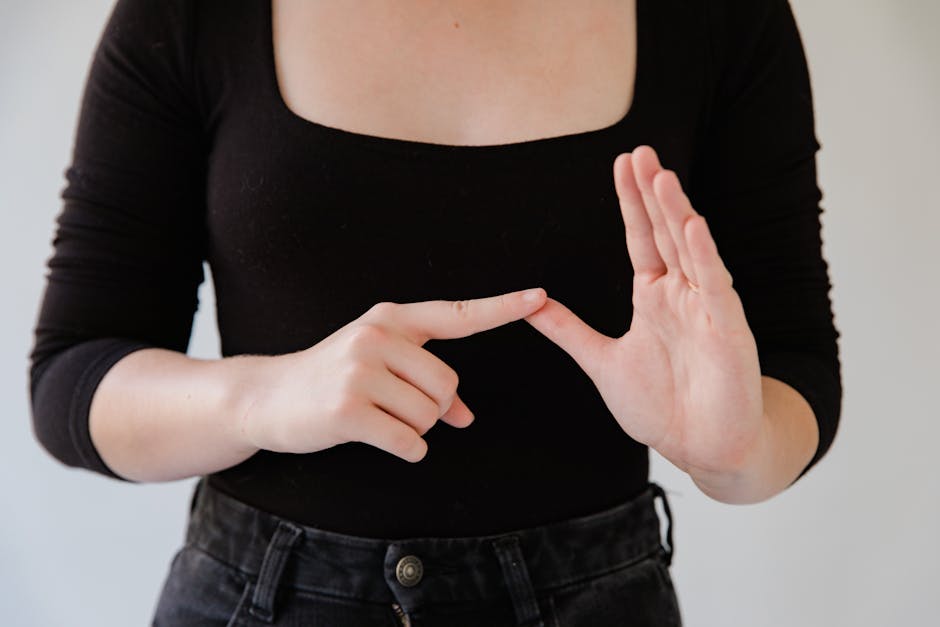
The sign “introduce” (whakamōhio, tūtakiverb) in NZSL is used to convey the action of introducing someone or something to another person. This sign is commonly used in social settings, meetings, and events within the Deaf community, allowing for effective communication and connection among individuals.
Table of Contents
How to Sign “Introduceintroductionwhakamōhio, TūTakiverb” in NZSL
- Start with your dominant hand in a flat “B” handshape (palm facing down).
- Position your hand near your chest, roughly at shoulder height.
- Move your hand outward and slightly forward, as if you are presenting a person or object.
- As you move your hand, maintain eye contact and smile to convey warmth and friendliness.
- Finish the sign by returning your hand back to your chest, indicating that the introduction is complete.
Common Mistakes
- Using a fist instead of a flat handshape, which can change the meaning.
- Not maintaining appropriate facial expressions, which are crucial in NZSL.
- Moving the hand too quickly, making it hard for others to understand the sign.
NZSL vs ASL
In NZSL, the sign for “introduce” involves a specific handshape and movement that may differ from ASL. While ASL also has a sign for “introduce,” the hand positions and facial expressions used can vary significantly, reflecting the unique features of each sign language.
Related Signs
- Introduce – The act of introducing someone.
- Meet – To come together with someone, often in the context of introductions.
- Friend – A sign that can be used when introducing someone as a friend.
- Name – Helpful when introducing someone by their name.
- Listen – Important in conversations that follow an introduction.
Frequently Asked Questions
How do I use “introduce” in a sentence?
You can use “introduce” in sentences like, “I want to introduce my friend,” by signing it along with the names of those involved.
Are there regional variations in how “introduce” is signed?
While the basic sign remains consistent, some regions may have slight variations in speed or facial expressions.
What are similar signs to “introduce”?
Signs like “meet” and “friend” are closely related and can be used in similar contexts.
What tips can help me learn this sign better?
Practice with a Deaf friend or teacher, and pay attention to facial expressions to enhance your signing skills.
Can I use this sign in formal settings?
Yes, “introduce” is appropriate in both formal and informal settings, making it versatile for various occasions.
How can I improve my facial expressions while signing?
Observe native signers and practice in front of a mirror to develop more expressive facial gestures.
Is this sign commonly used in Deaf culture?
Absolutely! The sign for “introduce” holds significance in fostering connections within the Deaf community.
Practice This Sign
Try signing IntroduceintroductionwhakamōHio, TūTakiverb with your camera and get AI coaching on your handshape, movement, and location.
Free · No signup required