
Hangover in New Zealand Sign Language (NZSL)

The sign for “hangover” in NZSL is used to describe the unpleasant feeling that follows excessive drinking. It’s commonly shared in social settings, especially after a night out, where the experience of a hangover might come up in conversation and humor.
Table of Contents
How to Sign “Hangover” in NZSL
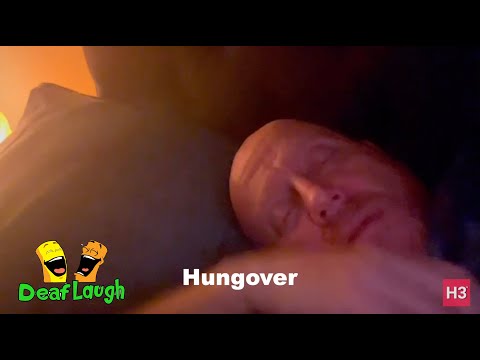
- Start with your dominant hand in a flat ‘B‘ handshape (fingers together, palm facing down).
- Place the hand on your forehead, just above your eyes.
- Move the hand forward away from your head, while slightly bending the wrist downward.
- Facial expressions should reflect discomfort or exaggeration to convey the feeling of a hangover.
Common Mistakes
- Using a flat handshape but with fingers spread apart instead of together.
- Not exaggerating the facial expressions, which are essential for conveying the meaning.
- Moving the hand too far away from the forehead, which can change the intended meaning.
NZSL vs ASL
In NZSL, the sign for “hangover” is distinct and focuses on the movement from the forehead, while in ASL, a different sign may be used that does not involve this specific movement. This highlights the unique characteristics of NZSL as influenced by local culture and community.
Related Signs
- (All Of) You – A sign used to refer to a group of people.
- (Baby’s) Dummy – A term used for a baby’s pacifier.
- (Be) Careful – A sign to express caution.
Using “Hangover” in Everyday Conversations
The sign for “hangover” often comes up in casual chats, especially after social gatherings or celebrations. Here are a few example sentences where you might use this sign:
- After a party: “I had a great time last night, but now I have a hangover.” (NZSL sign order: “Last night, party, I, enjoy, but now, hangover.”)
- Discussing plans: “I can’t go out today; I still have a hangover.” (NZSL sign order: “Today, I can’t go out, I, still, hangover.”)
- Sharing experiences: “My friend had a hangover after the wedding.” (NZSL sign order: “Friend, wedding, after, hangover.”)
These examples show how the sign can fit naturally into conversations about social events and personal experiences. It often arises when discussing the aftermath of celebrations, particularly within the context of friends sharing stories or making plans.
Cultural Notes
The concept of a “hangover” is common in many cultures, but in the New Zealand Deaf community, it carries its own unique context. NZSL was officially recognized as a language in 2006, which helps to highlight the importance of Deaf culture and identity in New Zealand. The use of “hangover” reflects not just a shared experience, but also the social aspects of Deaf culture, where gatherings often involve food, drink, and camaraderie.
Additionally, the relationship between NZSL and te reo Māori is significant. Many signs, including “hangover,” may incorporate cultural nuances or concepts that resonate with both languages. Understanding these connections can deepen appreciation for how language and culture intertwine in the Deaf community.
Tips for Learning This Sign
Practicing the sign for “hangover” can be both fun and effective. Here are some tips to help you learn and remember it:
- Mirror Practice: Stand in front of a mirror and practice the sign. This allows you to see your movements and facial expressions, ensuring you are accurately portraying the sign.
- Facial Expressions: Incorporate appropriate facial expressions when signing “hangover.” This adds context and emotion, making your signing more engaging and understandable.
- Use in Context: Try using “hangover” in short signed sentences with friends or during practice sessions. This will help reinforce the sign and make it easier to recall in real-life situations.
With these strategies, you’ll find yourself more confident in using the sign for “hangover” in your conversations!
Frequently Asked Questions
How can I use “hangover” in a sentence?
You might say, “I have a hangover today,” by signing “I” + “HAVE” + “HANGOVER.”
Are there regional variations in signing “hangover”?
While the sign is generally consistent across New Zealand, some regions may have slight variations in movement or facial expressions.
Is “hangover” similar to any other signs?
The sign for “hangover” may resemble signs for other bodily discomforts, but the specific movement from the forehead makes it distinct.
What are some tips for learning this sign?
Practice in front of a mirror to ensure your handshape and facial expressions are accurate. Watching native signers can also help.
Can I combine “hangover” with other signs?
Absolutely! You can combine it with signs like “party” or “drink” to provide more context.
What should I be mindful of when signing?
Pay attention to your facial expressions, as they play a crucial role in conveying meaning in NZSL.
Practice This Sign
Try signing Hangover with your camera and get AI coaching on your handshape, movement, and location.
Free · No signup required