
Hall in New Zealand Sign Language (NZSL)
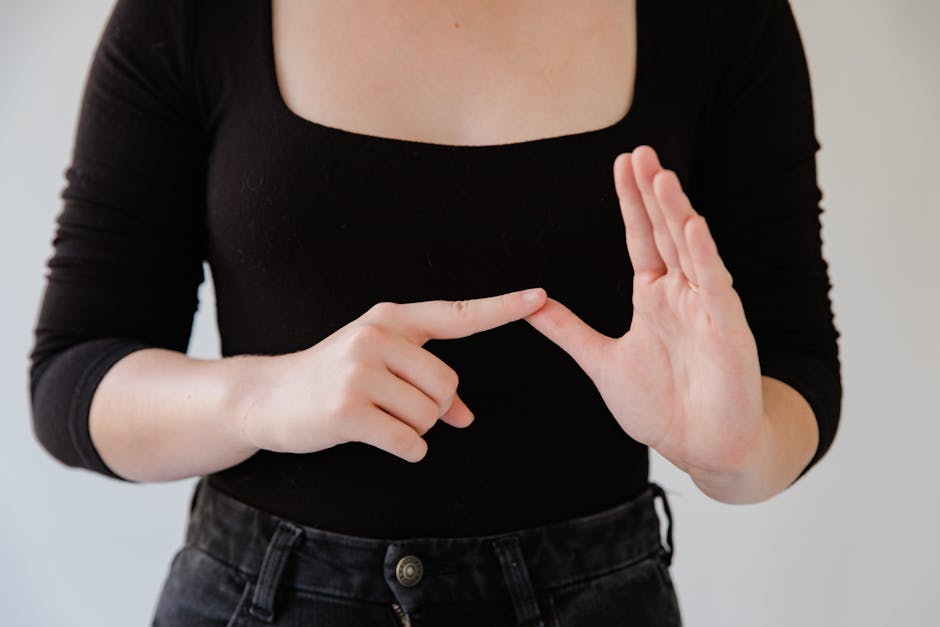
The sign “hallhōronoun” in NZSL refers to the concept of “hall” or “gathering space” and is commonly used in contexts related to places where people gather for events, meetings, or social activities. This sign embodies the vibrant community spirit in the Deaf community in New Zealand, highlighting the importance of social interaction and connection.
Table of Contents
How to Sign “HallhōRonoun” in NZSL
- Start with both hands in a flat ‘B‘ handshape (with fingers extended and together).
- Position your hands in front of your body, about shoulder-width apart.
- Move your hands horizontally away from your body, simultaneously arching them slightly upwards as you gesture outward.
- Maintain a friendly facial expression, reflecting openness and invitation.
Common Mistakes
- Forgetting to use both hands; some learners may try to sign with one hand only, which can reduce clarity.
- Not maintaining the correct handshape; ensure fingers are straight and together to convey the right meaning.
- Neglecting facial expressions; facial expressions play a crucial role in NZSL and can alter the meaning of the sign.
NZSL vs ASL
In NZSL, the sign for “hallhōronoun” uses both hands moving outward from the body, while in ASL, the sign typically involves a different handshape and movement. This highlights the unique features of NZSL influenced by local culture and community practices, distinct from American Sign Language.
Related Signs
- (All Of) You – A sign expressing inclusivity in a group setting.
- (All Of) Youyou Allkoutou (Katoa)Pronoun – Another inclusive sign, used in gatherings.
- (Baby’S) Dummy – A sign related to family gatherings.
- (Be) Careful – A reminder often shared in group settings.
- (Be) Born, (Give) Birth – Relevant in discussions about family gatherings.
Frequently Asked Questions
How can I use “hallhōronoun” in a sentence?
You can use it to describe a location, for example: “We are meeting at the hallhōronoun this weekend.”
Are there regional variations for this sign in NZ?
While the sign is generally consistent, some regional communities may have slight variations in movement or emphasis.
What are some similar signs to “hallhōronoun”?
Signs like “gathering” or “meeting” may share similar contexts and can enhance your communication.
What tips do you have for learning this sign?
Practice in front of a mirror to ensure your handshape and movement are correct, and pay attention to how fluent signers use it in conversation.
Can this sign be used in formal settings?
Yes, it is appropriate for both informal and formal contexts where gatherings are discussed.
What is the importance of facial expressions with this sign?
Facial expressions can convey emotions and intentions, making your communication more effective.
How does “hallhōronoun” relate to cultural events?
This sign is often used during cultural events, emphasizing the gathering aspect and the importance of community in the Deaf culture.
Practice This Sign
Try signing HallhōRonoun with your camera and get AI coaching on your handshape, movement, and location.
Free · No signup required