
Frightened (adjective) in New Zealand Sign Language (NZSL)
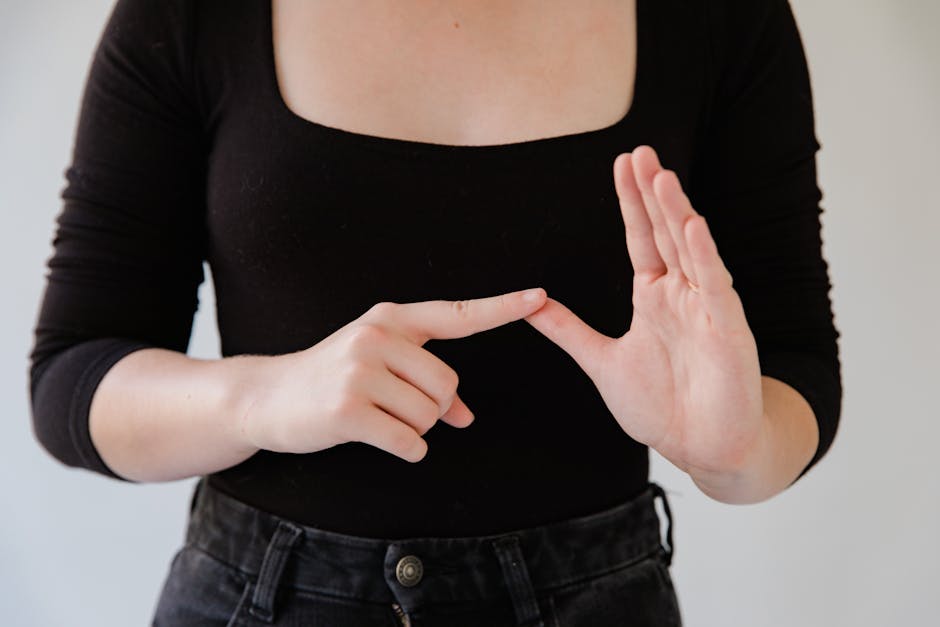
The NZSL sign for “frightened,” “afraid,” “apprehensive,” or “scared” conveys feelings of fear or anxiety. It’s commonly used in various contexts, from expressing a reaction to something unsettling to discussing personal feelings of apprehension. Members of the Deaf community often use this sign in storytelling or when sharing experiences that evoke fear.
Table of Contents
How to Sign “Frightenedafraid, Apprehensive, Scaredmataku, Wehiadjective” in NZSL
- Start with both hands open and fingers spread wide.
- Position your hands in front of your chest, palms facing towards you.
- As you begin the sign, slightly bend your elbows and pull your hands towards your body.
- At the same time, furrow your brow and widen your eyes to express the emotion of fright.
- Complete the sign by slightly shaking your hands as you pull them closer, enhancing the feeling of fear.
Common Mistakes
- Not using facial expressions to convey emotion, which can lead to the sign lacking impact.
- Using a flat hand instead of an open hand, which may not accurately represent the sign.
- Forgetting to use both hands or incorrectly positioning them, affecting clarity.
NZSL vs ASL
In NZSL, the sign for “frightened” involves a specific hand movement and facial expression that emphasizes the emotion. In contrast, ASL uses a different handshape and motion, which may not convey the same nuances. This highlights the unique characteristics of NZSL, influenced by its own cultural context and elements from te reo Māori.
Related Signs
- (Be) Careful – A sign indicating caution or alertness.
- (Be) Passive – Refers to a state of being non-aggressive or calm.
- (All Of) You – A sign used to refer to a group of people.
- (Baby’S) Dummy – A sign for a pacifier, often used in discussions about children.
- (Be) Born, (Give) Birth – Related to discussions around new beginnings and life events.
Frequently Asked Questions
How do I use this sign in a sentence?
You can use this sign to express feelings in sentences like “I am frightened” by signing the phrase while showing your facial expression of fear.
Are there regional variations for this sign across NZ?
While the sign is generally understood nationwide, some regional dialects may have slight variations in movement or handshape.
What are some similar signs?
Signs like “worried” or “nervous” have related meanings and often use similar hand movements, making them useful in conversations about emotions.
What tips do you have for learning this sign?
Practice in front of a mirror to refine your facial expressions and hand movements, which are crucial for conveying the right emotion.
Can I use this sign in formal settings?
Yes, this sign can be used in both casual and formal contexts, especially when discussing feelings or concerns in a professional environment.
Is it important to show facial expressions while signing?
Absolutely! Facial expressions are a key component of NZSL, adding depth and clarity to the meanings of signs.
Practice This Sign
Try signing Frightenedafraid, Apprehensive, Scaredmataku, Wehiadjective with your camera and get AI coaching on your handshape, movement, and location.
Free · No signup required