
Fishing (verb) in New Zealand Sign Language (NZSL)
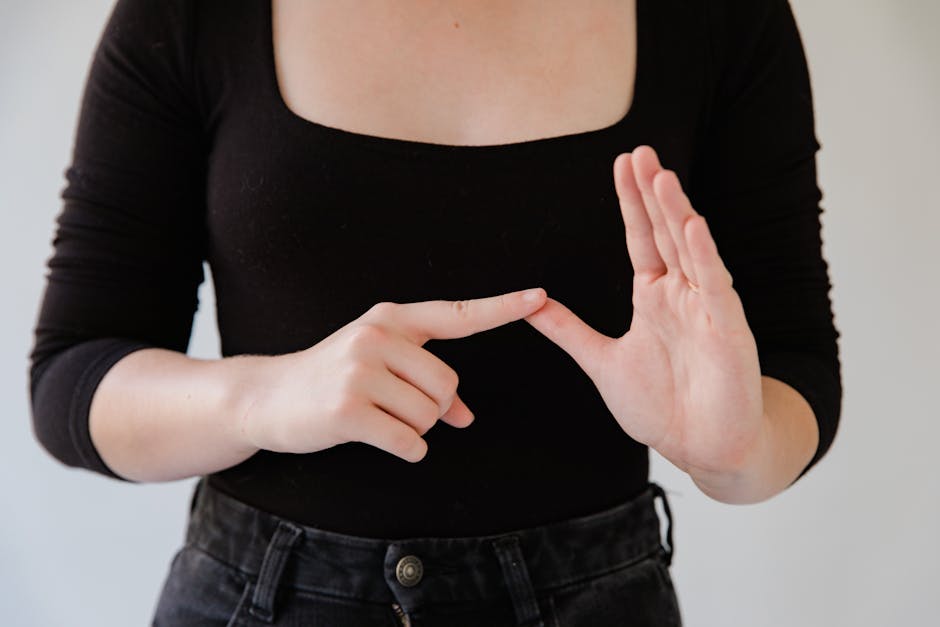
The sign “fishingfish, fishing rodmāngoingoiverb” is commonly used in the NZ Deaf community when discussing fishing activities, whether it’s for recreation or cultural practices. This sign reflects the enjoyment and significance of fishing in New Zealand, connecting both to local customs and the natural environment.
Table of Contents
How to Sign “Fishingfish, Fishing RodmāNgoingoiverb” in NZSL

- Begin with your dominant hand in a flattened ‘5‘ shape, fingers extended and together.
- Position your hand at the side of your mouth, palm facing away.
- Move your hand outward in a slight arc, mimicking the action of casting a fishing line.
- Introduce your non-dominant hand, forming a ‘C’ shape to represent the fishing rod.
- As you extend your dominant hand, flick your wrist to simulate the action of reeling in the fish.
- Maintain a facial expression of focus or enjoyment, reflecting the experience of fishing.
Common Mistakes
- Many learners tend to rush the movements; it’s important to make them deliberate to capture the essence of fishing.
- Confusing the hand shapes can lead to miscommunication; ensure you use the correct ‘5‘ and ‘C’ shapes.
- Forgetting to include facial expressions can make the sign less engaging or expressive.
NZSL vs ASL
In NZSL, the sign for fishing incorporates specific hand shapes and movements that reflect local fishing practices, while ASL uses a different sign altogether. NZSL often includes elements that are culturally relevant to New Zealand, such as the incorporation of te reo Māori signs, enhancing its uniqueness.
Related Signs
- (All Of) You – A sign to refer to a group of people.
- (Be) Careful – A reminder to exercise caution, relevant in various contexts.
- (Baby’s) Dummy – Used in discussions about infants.
- (Be) Born, (Give) Birth – Related to family and cultural discussions.
- (Be) Passive – Signifying a state of being, applicable in numerous contexts.
Frequently Asked Questions
How can I use this sign in a sentence?
You could say, “I love fishing,” by signing “I” + “love” + “fishingfish, fishing rodmāngoingoiverb.”
Are there regional variations for this sign?
While the core sign is consistent, some regions may have slight variations in movement or hand shape, influenced by local fishing customs.
Is there a sign for fishing without a rod?
Yes, the sign can be adapted to represent fishing without a rod by simplifying the hand movements.
What are some similar signs?
Related signs like “hunting” or “gathering” share similar hand shapes and movements in NZSL.
Any tips for learning this sign?
Practice in front of a mirror to ensure your hand shapes and movements are accurate, and watch others sign for visual reference.
Can this sign be used in casual conversation?
Absolutely! It’s a great sign to use when chatting about outdoor activities or family traditions.
What cultural significance does fishing have in NZ?
Fishing is an important cultural practice in New Zealand, especially for Māori communities, and the sign reflects this significance.
Practice This Sign
Try signing Fishingfish, Fishing RodmāNgoingoiverb with your camera and get AI coaching on your handshape, movement, and location.
Free · No signup required