
Crutches (variant, 2) in New Zealand Sign Language (NZSL)
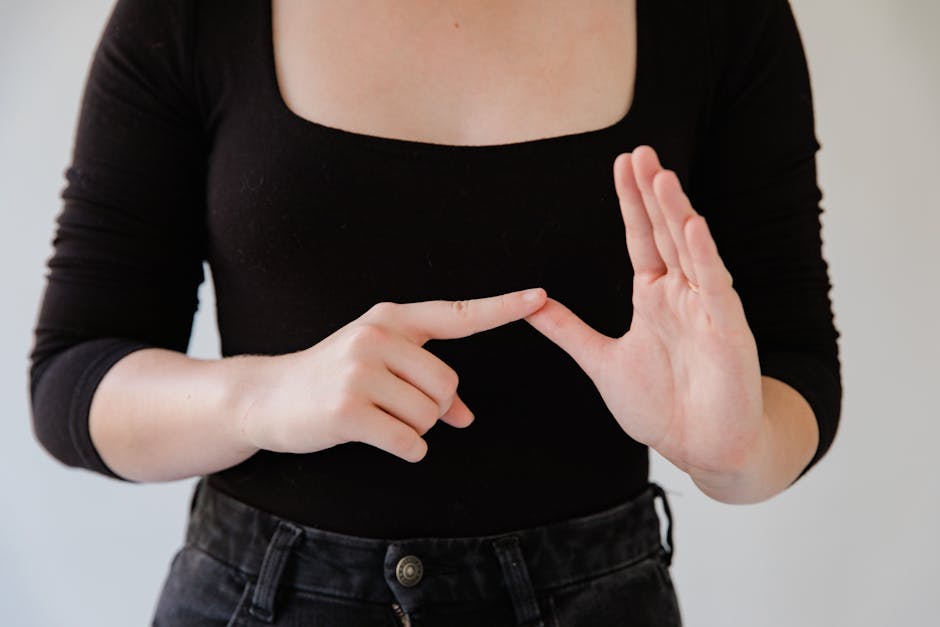
The sign “crutcheson crutchesturupouverb” refers to the use of crutches, typically for mobility assistance. This sign is frequently used in the NZ Deaf community, particularly in contexts discussing mobility aids or injuries. It highlights the importance of accessibility and support for individuals with disabilities.
Table of Contents
How to Sign “Crutcheson Crutchesturupouverb” in NZSL
- Start with both hands in a “C” shape, mimicking the form of crutches.
- Position your hands at your sides, slightly bent at the elbows, as if holding the crutches.
- Move your hands outward and slightly upwards, simulating the action of using crutches for support.
- Maintain a focused facial expression that conveys determination and strength, embodying the effort of using crutches.
Common Mistakes
- Some learners may use flat hands instead of the “C” shape, which can cause confusion.
- Moving the hands too fast can make the sign unclear; smooth, controlled movements are key.
- Not using appropriate facial expressions can lead to misinterpretation of the sign’s context.
NZSL vs ASL
In NZSL, the sign for “crutcheson crutchesturupouverb” uses a more localized handshape and movement that differs from ASL. While ASL may use a single hand to represent a crutch, NZSL emphasizes both hands to reflect the typical use of two crutches for support.
Related Signs
- (All Of) You – A common pronoun sign.
- (Be) Careful – A sign to express caution.
- (Be) Born, (Give) Birth – Related to life events.
- (Baby’S) Dummy – A sign commonly used in parenting contexts.
Frequently Asked Questions
How can I use “crutcheson crutchesturupouverb” in a sentence?
You can say, “I use crutches to help me walk,” by signing “I use crutcheson crutchesturupouverb for walking.”
Are there regional variations for this sign in NZ?
While the sign is generally consistent, some regions may have slight variations in handshape or movement based on local dialects.
What are some similar signs to “crutcheson crutchesturupouverb”?
Similar signs include those for “walking” or “mobility aid,” which focus on the concept of movement assistance.
Any tips for learning this sign?
Practice in front of a mirror to ensure your handshapes and movements are clear. Watching native signers can also be beneficial.
Can this sign be used in different contexts?
Yes, it can be used in discussions about injuries, rehabilitation, or talking about accessibility options.
What is the importance of using facial expressions in this sign?
Facial expressions add context and emotion to your signing, helping convey the message more effectively.
Practice This Sign
Try signing Crutcheson Crutchesturupouverb with your camera and get AI coaching on your handshape, movement, and location.
Free · No signup required