
Court, Judge, Lawyer in New Zealand Sign Language (NZSL)

The signs for “court,” “judge,” and “lawyer” are essential in NZSL, particularly within legal contexts. These signs are commonly used during discussions about legal matters, court proceedings, or when referring to legal professionals. Understanding these signs helps enhance communication in the Deaf community, especially in legal settings.
Table of Contents
How to Sign “Court, Judge, Lawyer” in NZSL
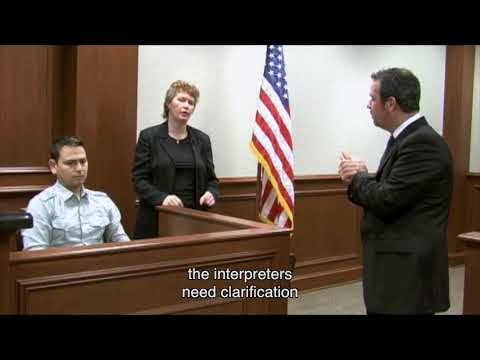
- Court: Start with your dominant hand in a flat ‘B’ shape (palm down). Place it upright in front of you, then move it slightly forward and backward, as if indicating a space where decisions are made.
- Judge: Use your dominant hand in a flat ‘B’ shape again. Hold it with the palm facing down and make a downward motion, as if bringing down a gavel. This signifies authority.
- Lawyer: Form your non-dominant hand into a flat ‘B’ shape and place it palm up in front of you. With your dominant hand in a ‘C’ shape, place it over the non-dominant hand, then move it forward slightly as if presenting a case.
Common Mistakes
- For “court,” learners sometimes forget to include the forward and backward motion, making it less clear.
- When signing “judge,” some may use an incorrect handshape instead of the flat ‘B’, which can lead to confusion.
- In the “lawyer” sign, learners often miss the movement, resulting in a static sign that doesn’t convey the profession effectively.
NZSL vs ASL
In NZSL, the signs for “court,” “judge,” and “lawyer” focus on specific handshapes and movements that reflect the cultural context of New Zealand. In contrast, ASL uses different handshapes and gestures that may not directly translate. For example, the “judge” sign in ASL may involve a different motion that does not incorporate the gavel concept as strongly as in NZSL.
Related Signs
- Law: This sign indicates legal principles and rules.
- Courtroom: Refers to the physical space where legal proceedings occur.
- Justice: Represents the concept of fairness in legal matters.
- Accused: Signifying a person charged with a crime.
- Testify: Refers to giving evidence in court.
Frequently Asked Questions
How can I use these signs in a sentence?
You can say, “The lawyer went to court” by signing “Lawyer, court” in sequence.
Are there regional variations in these signs across New Zealand?
While these signs are widely understood, some regions may have slight variations in the execution. It’s best to learn from local Deaf community members.
Are there similar signs for other legal terms?
Yes, terms like “law,” “judge,” and “courtroom” have their own specific signs that are important to learn for clear communication.
What tips can help me learn these signs?
Practice with a Deaf friend or educator, watch videos for visual guidance, and regularly use the signs in context to reinforce learning.
Can these signs change based on context?
Yes, the context of a discussion can influence how emphatically you might sign these terms, especially in a courtroom scenario.
Is there a cultural significance to these signs?
Yes, the signs reflect the legal system in New Zealand and are crucial for facilitating communication within the Deaf community regarding rights and justice.
Practice This Sign
Try signing Court, Judge, Lawyer with your camera and get AI coaching on your handshape, movement, and location.
Free · No signup required