
Behind in New Zealand Sign Language (NZSL)
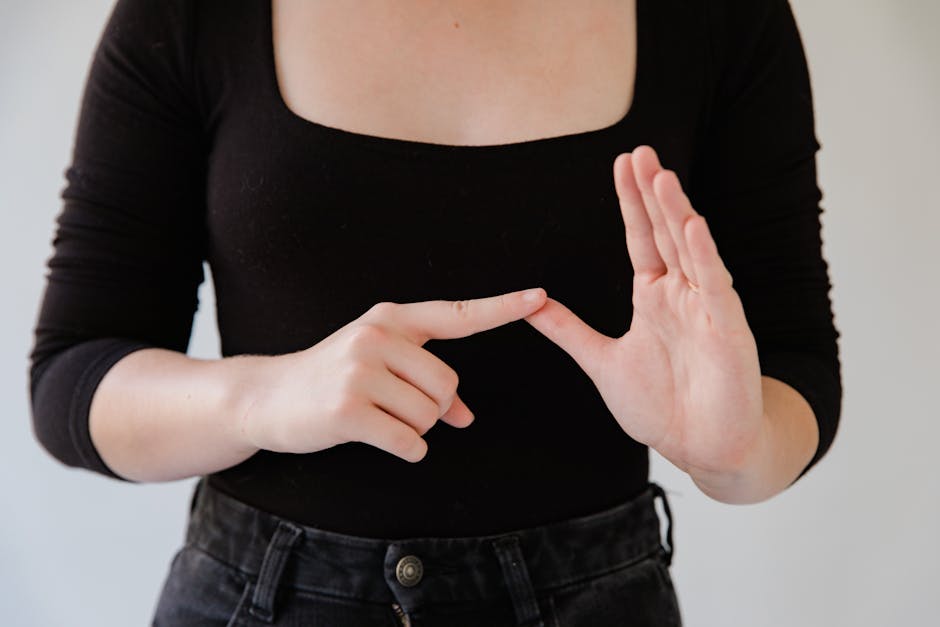
The NZSL sign for “behindbehind with, delay, fall behind, lag, time lag” (tō muri) is used to describe situations where someone or something is not keeping pace or is delayed. This sign can apply in various contexts, such as being late for an appointment, falling behind in schoolwork, or experiencing a delay in a project. It reflects a common experience in daily life and is often used in conversations within the Deaf community.
Table of Contents
How to Sign “Behindbehind With, Delay, Fall Behind, Lag, Time LagtōMuriadverb; Verb” in NZSL
- Begin with your dominant hand in a flat shape (like a “B” handshape) facing your body.
- Position your hand at waist level, slightly in front of your body.
- Move your hand backward away from your body, while keeping the palm facing inward.
- As you move your hand back, furrow your brow slightly to express concern or emphasis on the delay.
- Finish the movement by stopping your hand at a distance that feels appropriate to the context of the conversation.
Common Mistakes
- Forgetting to maintain a facial expression that aligns with the sign’s meaning, which can lead to confusion.
- Using an incorrect handshape; ensure to use a flat handshape instead of a fist or another sign.
- Not moving the hand far enough back, which may not accurately convey the sense of lag or delay.
NZSL vs ASL
In NZSL, the sign for “behind” incorporates a backward movement, emphasizing the lag or delay aspect. In contrast, ASL may use a different sign that focuses more on the spatial relationship without the same emphasis on delay. This highlights the unique characteristics of NZSL influenced by local culture and language use.
Related Signs
- (All Of) You – Used to refer collectively to a group of people.
- (Be) Careful – A sign used to express caution or care.
- (Be) Passive – Indicates a state of being passive or non-active.
Frequently Asked Questions
How can I use this sign in a sentence?
You can use the sign in a sentence like: “I am falling behind in my studies,” by incorporating facial expressions that reflect concern.
Are there regional variations of this sign in New Zealand?
While the sign is generally consistent, some regional variations may exist in movement or emphasis, especially in different Deaf communities across the country.
What are some similar signs?
Similar signs include “delay” and “lag,” which may have different nuances but convey related meanings of being behind.
What tips can help me learn this sign more effectively?
Practice in front of a mirror to ensure your handshape and movements are clear, and pay attention to your facial expressions to convey the correct meaning.
Is this sign used in everyday conversations?
Yes, it’s commonly used in various contexts, such as discussing schedules, schoolwork, or any situations involving delays.
Can I use this sign when talking about events in the past?
Absolutely! It can be used to describe past delays or situations where someone fell behind.
Practice This Sign
Try signing Behindbehind With, Delay, Fall Behind, Lag, Time LagtōMuriadverb; Verb with your camera and get AI coaching on your handshape, movement, and location.
Free · No signup required