
Aunt (Māori: whaea kēkē, whaea) in New Zealand Sign Language (NZSL)
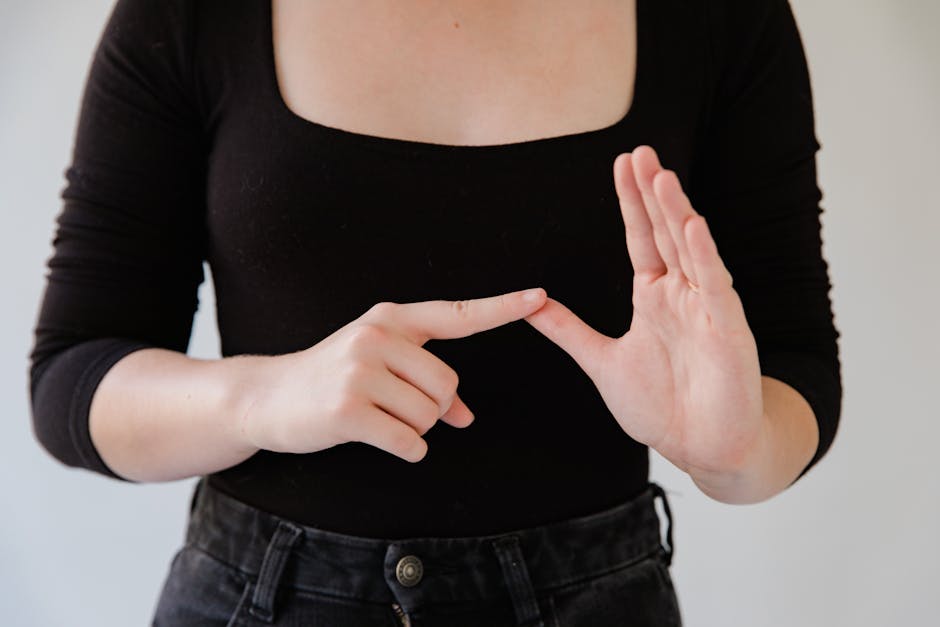
The sign “auntwhaea kēkē, whaeanoun” in NZSL refers to an aunt, specifically a female relative who is the sister of one’s parent. This sign is commonly used in family discussions and gatherings within the New Zealand Deaf community, where family relationships and connections are often celebrated and shared.
Table of Contents
How to Sign “Auntwhaea KēKē, Whaeanoun” in NZSL
- Start with your dominant hand in a flat handshape (the fingers extended and together).
- Position your hand near your cheek, with the palm facing towards your face.
- Move your hand away from your face in a gentle forward arc.
- As you move your hand, maintain a friendly facial expression, indicating warmth and familiarity.
Common Mistakes
- Forgetting to use a friendly expression can make the sign feel less personal.
- Using the wrong handshape; ensure your hand is flat and fingers together.
- Not moving the hand far enough away from the face, which can cause confusion with other signs.
NZSL vs ASL
In NZSL, the sign for “aunt” is distinct and involves a specific facial expression and movement. In contrast, ASL uses a different handshape and motion, often not involving the face in the same way. This highlights some of the unique features of NZSL influenced by local culture and community.
Related Signs
- (All Of) You
- (Baby’s) Dummy
- (Be) Careful
- (Be) Born, (Give) Birth
Frequently Asked Questions
How can I use “auntwhaea kēkē” in a sentence?
You might say, “My auntwhaea kēkē loves to cook,” by signing “my” and then the sign for “auntwhaea kēkē.”
Are there regional variations for this sign in New Zealand?
While the sign is generally consistent, some regions may have slight variations in movement or facial expression. It’s good to observe local usage.
Is there a sign for “uncle” in NZSL?
Yes, there is a sign for “uncle” in NZSL, which has a different handshape and movement from “auntwhaea kēkē.”
What are some tips for learning this sign?
Practice in front of a mirror to check your handshape and facial expressions. Watching native NZSL users can also help you learn effectively.
Can I use this sign in a formal setting?
Yes, “auntwhaea kēkē” is an appropriate sign to use in both informal and formal contexts when discussing family.
Are there similar signs in other sign languages?
Yes, many sign languages have similar signs for family members, but each will have its own unique handshapes and movements.
Practice This Sign
Try signing Auntwhaea KēKē, Whaeanoun with your camera and get AI coaching on your handshape, movement, and location.
Free · No signup required