
Animal (Māori: kararehe) in New Zealand Sign Language (NZSL)
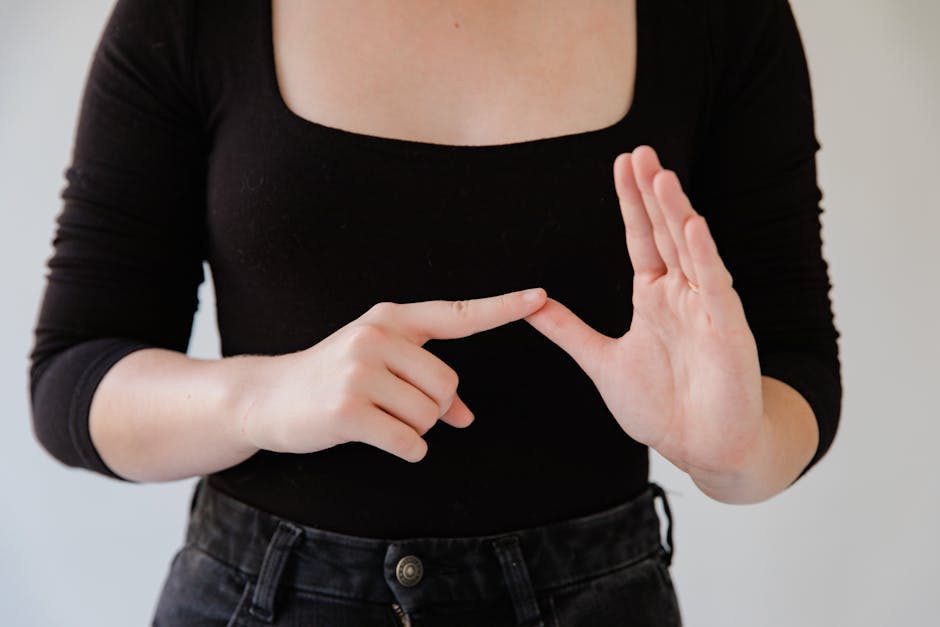
The NZSL sign for “animalkararehenoun” refers to the concept of an animal, often signifying a specific type or category of animal. This sign is commonly used in discussions about pets, wildlife, and nature, and it embodies the rich connection the Deaf community in New Zealand has with the environment and animals. It is also a valuable part of teaching children about animals in an engaging way.
Table of Contents
How to Sign “Animalkararehenoun” in NZSL
- Start with your dominant hand in a flat handshape, fingers together and extended.
- Position your dominant hand in front of your chest, palm facing down.
- Move your hand outwards and slightly upward, while keeping the fingers together.
- As you make this movement, use a facial expression that conveys curiosity or interest, reflecting the idea of observing animals.
Common Mistakes
- Confusing the handshape: Some learners may use a fist instead of a flat hand, which alters the meaning.
- Incorrect facial expressions: Failing to show curiosity can make the sign less effective and engaging.
- Not maintaining the correct movement: A stiff or stagnant hand movement can lead to misunderstanding of the sign’s intent.
NZSL vs ASL
In NZSL, the sign for “animalkararehenoun” emphasizes a flat handshape and a specific movement that reflects engagement with the animal. In contrast, ASL may use a different handshape and movement, focusing more on the type of animal being referred to. This distinction highlights the unique characteristics of NZSL and its cultural context.
Related Signs
- (Baby’s) Dummy – A sign for a child’s pacifier.
- (Be) Careful – A sign emphasizing caution, often used in conversations about safety around animals.
- (All Of) You – A sign used for addressing a group, which can include discussions about animal-related topics.
Frequently Asked Questions
How can I use “animalkararehenoun” in a sentence?
You can use it in a sentence like, “I saw an animalkararehenoun at the zoo,” by signing the phrase while gesturing towards the animal.
Are there regional variations for this sign in NZ?
While “animalkararehenoun” is generally consistent across New Zealand, some regions may have slight variations in handshape or movement influenced by local Deaf communities.
What are some similar signs?
Similar signs include “pet” and “wild animal,” which may have different movements but share the theme of animals.
What tips can you give for learning this sign?
Practice in front of a mirror to monitor your handshape and facial expressions, and try to learn with a partner to receive feedback.
Is this sign used with children?
Yes, “animalkararehenoun” is often used with children when teaching about animals, making it a fun way to engage them in learning.
Can “animalkararehenoun” refer to all animals?
Yes, this sign can refer to animals in general, but it can also be specified further depending on the context of the conversation.
Practice This Sign
Try signing Animalkararehenoun with your camera and get AI coaching on your handshape, movement, and location.
Free · No signup required