
Abseil in New Zealand Sign Language (NZSL)
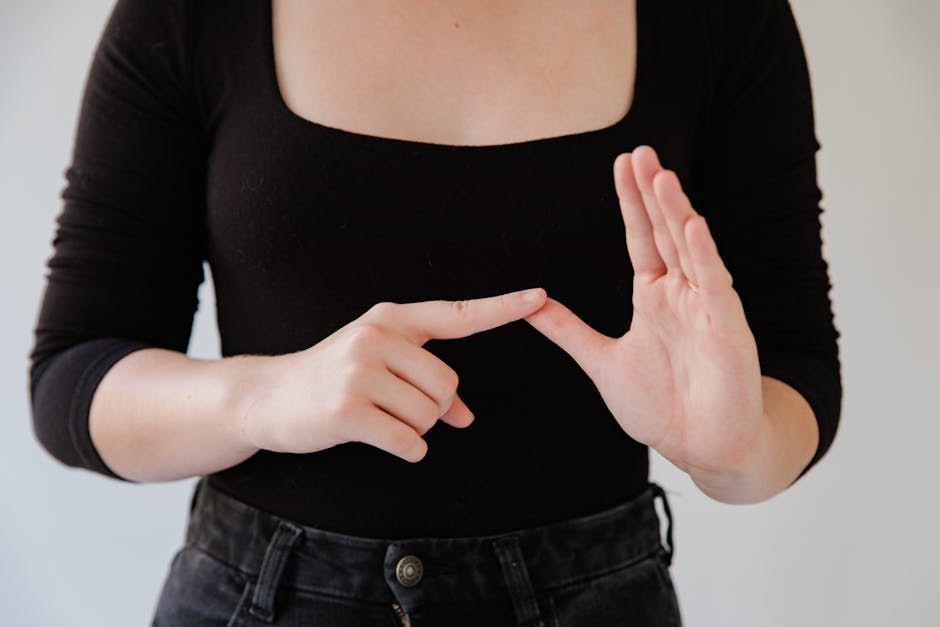
The sign for “abseil” or “abseilingheke tauraverb” in NZSL refers to the activity of descending a rock face or wall using a rope. It’s commonly used in contexts like outdoor adventure, climbing, or when discussing recreational activities that involve descending safely from heights. This sign reflects the unique blend of NZSL’s development and the influence of cultural activities in New Zealand.
Table of Contents
How to Sign “Abseilabseilingheke Tauraverb” in NZSL
- Start with your dominant hand in a flat ‘B’ handshape, palm facing down.
- Position your non-dominant hand in a fist, palm facing your body, to represent the rock or the surface.
- Move the dominant hand downward in a controlled, smooth motion, simulating the action of abseiling.
- As you perform the downward movement, tilt your head slightly forward and maintain a focused expression, indicating concentration and safety.
Common Mistakes
- Using an incorrect handshape; ensure the dominant hand remains in a flat ‘B’ shape.
- Rushing the movement; it’s important to perform the sign smoothly to reflect the controlled descent.
- Neglecting facial expressions; remember to show concentration and seriousness for clarity in communication.
NZSL vs ASL
In NZSL, the sign for “abseil” emphasizes the handshape and downward movement that reflects the action closely. In contrast, ASL may use different signs and handshapes, which can differ significantly in style and execution due to cultural influences and language structures.
Related Signs
- Climb – Signifying the action of ascending a height.
- Rope – Used when discussing climbing equipment.
- Safety – Important in contexts of outdoor activities.
- Prepare – Often used before engaging in activities like abseiling.
Frequently Asked Questions
How can I use “abseil” in a sentence?
You can say, “I want to abseil down the cliff” by incorporating the sign after the subject and verb.
Are there regional variations in signing “abseil”?
While the core sign remains consistent, some regions may have slight variations in movement or handshape based on local influences.
What is a similar sign to “abseil”?
The sign for “climb” is similar and involves upward movements, contrasting with the downward motion of abseiling.
What tips do you have for learning this sign?
Practice in front of a mirror to check your handshape and movement, and watch videos for visual guidance.
Can I combine this sign with others?
Yes, combining signs enhances clarity; for example, you can sign “abseil” with “safety” to indicate safe abseiling practices.
Is this sign used in outdoor education?
Absolutely! It’s commonly used in outdoor education contexts, especially in activities that involve climbing and safety discussions.
Practice This Sign
Try signing Abseilabseilingheke Tauraverb with your camera and get AI coaching on your handshape, movement, and location.
Free · No signup required